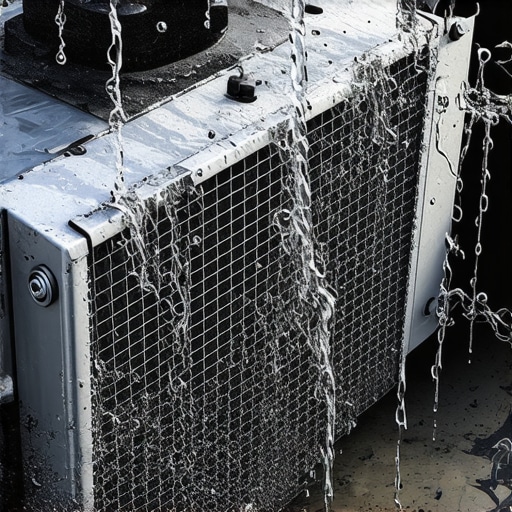
The Death of R-410A and the High-Stakes Transition
If you think the HVAC industry is just about swapping boxes and brazing copper, you haven’t been paying attention to the EPA’s mandate. We are currently standing at the edge of the A2L regulatory cliff. By 2026, the R-410A systems we’ve relied on for decades will be the relics of the past, replaced by mildly flammable refrigerants like R-454B and R-32. This isn’t just a change in the gas or juice we use; it’s a total shift in how we diagnose a failing condenser. These new systems operate at higher pressures and require leak sensors that will shut your whole house down if they detect even a whiff of refrigerant. If you don’t know how to spot a leak early, you’re looking at a $12,000 bill when a $300 repair would have sufficed.
The Scottsdale ‘Parts-Changer’ Scam: A Lesson in Integrity
Last August, I followed a Sales Tech out to a sprawling ranch in Scottsdale. The ambient temp was 116°F, and the homeowner was desperate. The previous tech—let’s call him a ‘parts-changer’—had spent ten minutes at the outdoor unit and told her the entire condenser was shot due to a ‘micro-leak’ in the coil. He quoted her $22,000 for a full AC installation of a high-end variable speed unit. When I hooked up my digital manifolds, I saw the head pressure was screaming at 550 PSI. It wasn’t a leak; the condenser coil was just matted with two inches of desert dust and pet hair, preventing any heat transfer. I washed the coil, replaced a $40 capacitor that was bulging like a sourdough starter, and the suction line went back to being beer can cold. That ‘Sales Tech’ was looking for a commission; I was looking for the physics of the problem. You need to know the difference before 2026 hits your wallet.
Thermodynamic Zooming: Why 2026 Coils Fail Faster
In the Southwest, we deal with sensible heat. It’s dry, it’s hot, and the air is hungry for moisture. To achieve the SEER2 ratings required for the 2025/2026 transition, manufacturers are making the aluminum fins on condensers thinner and the copper (or aluminum) tubing more intricate. This increases the surface area for heat exchange, but it also creates stress fractures. When your unit starts short-cycling—turning on and off every five minutes—it’s not just annoying; it’s a death sentence. Every time that compressor kicks on, the surge of pressure expands those thin-walled tubes. Over time, that vibration leads to a ‘rub-out’ leak. In the 2026 models, these leaks are often hidden behind the new A2L sensor housing. If you see an oily residue at the base of your condenser, that’s not water. That’s refrigeration oil escaping with the gas, and it means your system is bleeding out.
“The most expensive equipment in the world cannot overcome a bad duct system.” – Industry Axiom
The Physics of the Southwest Climate
In regions like Arizona or Nevada, our biggest enemy is high head pressure. When the mercury hits 115°F, the temperature difference between the refrigerant and the outside air shrinks. This makes it harder for the condenser to dump heat. If your AC installation was done by a tin knocker who didn’t understand static pressure, your compressor is likely working twice as hard as it should. This leads to internal valve failure. A leaky condenser in 2026 might not just be a hole in a pipe; it could be an internal bypass leak where the high-pressure gas is leaking back into the suction side. You’ll know this is happening if your air feels ‘lukewarm’ and your electric bill jumps 40% in a single month. You can’t just ‘top it off’ anymore. R-454B is a blend; if it leaks, the components leak at different rates, changing the chemistry of the remaining juice. You have to pull the whole charge, fix the leak, and start over.
How to Spot the Leak: The Sensory Checklist
First, use your ears. A leak often starts as a microscopic hiss, but in the high-pressure 2026 systems, it can sound like a distant tea kettle. Second, use your nose. While refrigerant itself is odorless, the ester oil used in modern systems has a faint, chemical sweetness. If you smell something ‘off’ near your outdoor unit, it’s time to call for a heating service professional who actually knows how to use an electronic leak detector. Third, look for the ‘Dust Magnet.’ Refrigerant oil is sticky. If you see one specific spot on your condenser fins that is caked with dirt while the rest is clean, the oil is acting as an adhesive for the dust. That is your leak site.
“Proper refrigerant charging and airflow are the two most critical factors in system longevity.” – ACCA Manual J Standards
The Mini-Split Trap and Furnace Repair Overlap
Many homeowners are fleeing to mini-split systems to avoid the ductwork nightmare. While they are efficient, their condensers are even more prone to vibration-induced leaks. If you’re also looking at furnace repair during the winter, remember that in a dual-fuel system, the heat pump/condenser runs year-round. The 2026 standards mean your ‘furnace’ might actually be an air handler with a backup heat strip, making the condenser’s health even more vital. If that condenser leaks in January, you won’t just be hot in July; you’ll be freezing in February. Don’t let a Sparky or a general handyman touch these A2L systems. They require specialized vacuum pumps and spark-proof recovery machines that the average DIYer or ‘jack-of-all-trades’ simply won’t have.
The Final Verdict: Repair or Replace?
If your system is more than 12 years old and develops a leak in the condenser coil, don’t throw good money after bad. The cost of R-410A is going to skyrocket as production is phased out. However, if you have a newer system and a tech tries to sell you a whole new rig because of a ‘leaky valve,’ get a second opinion. Often, it’s just a $5 Schrader core that needs tightening with a torque tool. Demand a static pressure test. If they don’t know what that is, kick them off your property. Airflow is the king, and the 2026 transition is the law. Navigate them both with a technician who values physics over commissions.