The Frustrating Anatomy of a Short-Cycling Furnace
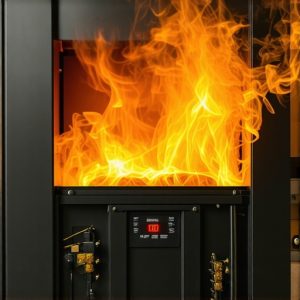
You hear the thermostat click. You hear the inducer motor spin up. There is a faint glow of the igniter, followed by the satisfying whoosh of combustion. Then, exactly five seconds later, the flame vanishes, and the blower motor kicks into high gear, blowing cold air through your vents. It is 2 AM in a Chicago suburb, the wind is howling off the lake, and your heating system just gave up the ghost. As an HVAC veteran who has spent more time in crawlspaces than in my own living room, I can tell you: this is the mechanical equivalent of a panic attack. Your furnace is trying to protect itself from a perceived catastrophe.
The $12,000 Lie: A Narrative from the Trenches
I remember a call last February during a brutal polar vortex. I followed a ‘Sales Tech’ from one of those big-box franchise companies to a house in Naperville. He had told a young couple that their heat exchanger was ‘compromised’ and that the unit was leaking lethal amounts of carbon monoxide. He quoted them $12,000 for a rush AC installation and furnace replacement. When I arrived, I saw the furnace doing exactly what we are discussing: starting, then quitting after 5 seconds. I pulled out my multimeter and checked the flame sensor. It was caked in silica and carbon. I cleaned it with a piece of Scotch-Brite, reinstalled it, and the unit roared to life. No CO, no cracks, just a dirty sensor. That ‘Sales Tech’ didn’t even have a manometer; he just had a high commission rate. This is why understanding the physics of your system matters.
“The most expensive equipment in the world cannot overcome a bad duct system or a lack of basic maintenance.” – Industry Axiom
The Science of Flame Rectification: Thermodynamic Zooming
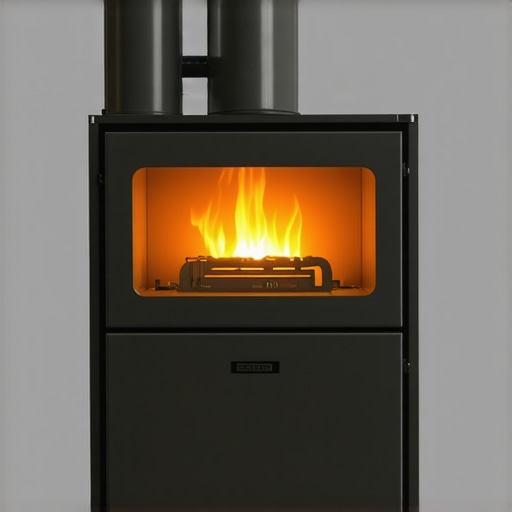
Why five seconds? It isn’t a random number. Your furnace control board uses a process called flame rectification. When the burners ignite, the flame creates a bridge between the burner and the flame sensor. Because fire is ionized, it can conduct electricity. The control board sends out an AC signal to the sensor. The flame acts as a diode, converting that AC signal into a tiny DC microamp signal. If the board doesn’t ‘see’ those microamps within a specific window (usually 4 to 7 seconds), it assumes the gas is flowing but hasn’t ignited. To prevent a massive gas explosion, the board shuts the gas valve immediately. This isn’t a furnace repair nightmare; it is a safety feature doing its job. If your sensor is dirty, the ‘juice’ can’t flow, and the board remains ‘blind’ to the heat it just created.
Beyond the Sensor: The Pressure Switch Handshake
If the flame doesn’t even start, or if it quits before the five-second mark, we look at the pressure switch. This is where the ‘Tin Knocker’ and the technician meet. The inducer motor must create enough negative pressure to pull combustion gases through the heat exchanger and out the flue. If there is a bird’s nest in the chimney or if your condensate drain is backed up with slime, that switch won’t close. Your furnace is basically holding its breath. If it can’t exhale, it won’t allow itself to inhale gas and fire. In high-efficiency units, a clogged ‘Pookie’ (mastic) seal on the intake can also cause this imbalance, leading to a system that starts and stalls. This is a common issue I see when a heating service has been neglected for years.
“Proper ventilation and air distribution are the foundations of building health and mechanical longevity.” – ASHRAE Standard 62.1
The Role of Airflow and Static Pressure
Sometimes the furnace runs for a few minutes before quitting. This is often ‘high limit’ tripping. If your air filter is so thick with pet dander that it looks like a wool sweater, the heat exchanger can’t shed its heat to the air passing over it. The temperature rises until the limit switch—a bimetal disc—pops open to prevent the heat exchanger from melting. This is where I see people make the mistake of buying the most expensive, restrictive HEPA filters. Your furnace isn’t an air purifier; it is a heat exchanger. If you choke the airflow, you kill the compressor in the summer and the heat exchanger in the winter. For those in tighter spaces or additions, a mini-split system is often a better ‘bolt-on’ solution than overworking a poorly designed central duct system.
The Verdict: When to Call the Pros
If you’ve cleaned your sensor and replaced your filter, and the unit still cycles like a strobe light, you might have a failing control board or a ‘Sparky’ (electrician) issue with improper grounding. A furnace must be grounded; without it, flame rectification is impossible. Don’t let a ‘Sales Tech’ talk you into a $15k system because of a $100 grounding issue. Understanding the ‘why’ behind the 5-second shutdown keeps money in your pocket and heat in your registers. If your system is over 15 years old and the ‘gas’ is leaking from a rusted-out secondary heat exchanger, then—and only then—should you talk about replacement.