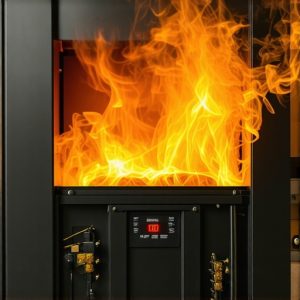
The silence of a dead furnace at 3 AM in the middle of a Chicago blizzard has a specific weight to it. It is not just quiet; it is heavy. You wake up because the rhythmic hum of the induced draft blower didn’t transition into the roar of the burners. Instead, you hear a rhythmic clicking—the sound of a machine trying to survive and failing. Most homeowners, and unfortunately a lot of ‘Sales Techs’ dressed in crisp, clean uniforms, will tell you that clicking sound is the death rattle of a $12,000 system. They will talk about ‘cracked heat exchangers’ or ‘terminal board failure’ while holding a clipboard and looking at your credit score. I followed one of these guys last February. He had quoted a young couple $14,500 for a full AC installation and furnace repair swap-out because their 6-year-old 90% efficiency unit was ‘locking out on a safety code.’ I walked in, saw the 3-flash LED code on the control board, and pulled a single paperclip out of my pocket. Five minutes later, the gas was burning, the house was warming, and that Sales Tech was looking for a new career. The culprit? A tiny bit of calcified moisture blocking the pressure switch port. This is the reality of modern HVAC: sophisticated physics often defeated by a microscopic piece of grit.
The Forensic Diagnosis: Why the Silence is Screaming
In the world of high-efficiency heating service, we are dealing with Category IV appliances. These aren’t your grandpa’s ‘natural draft’ furnaces that just let the smoke float up a masonry chimney. Modern units use an induced draft motor—basically a high-speed fan—to pull the combustion gases through a secondary heat exchanger and push them out a PVC pipe. This process creates a vacuum. To ensure that the fan is actually spinning and the vent isn’t blocked by a bird’s nest or ice, the manufacturer installs a pressure switch. This switch is the gatekeeper. It’s a simple diaphragm with a Normally Open contact. It stays open until it ‘senses’ enough negative pressure (measured in inches of Water Column or WC) to pull that diaphragm shut and complete the circuit to the ‘Sparky’ on the control board. If that switch doesn’t close, the furnace will never send 24 volts to the gas valve. You get no heat. You get a lockout code. And if you aren’t careful, you get a massive bill for a problem that costs less than a nickel to fix.
“The most expensive equipment in the world cannot overcome a bad duct system or a failure to maintain the pressure differential required for combustion safety.” – Industry Axiom
The Anatomy of the Pressure Switch and the Inducer
Let’s zoom in on the thermodynamics here. In a cold climate like the Northeast or the Midwest, your furnace is a condensing monster. As the gas burns, it releases water vapor. In a high-efficiency furnace, we squeeze so much heat out of the exhaust that the vapor turns back into liquid water (latent heat release). This water is acidic and can be corrosive. The inducer housing often collects some of this moisture before it drains away. Over time, the small 1/8-inch plastic or metal port where the rubber vacuum hose attaches can become restricted. It could be a tiny bit of mineral scale, a stray piece of pookie (mastic) that got sucked in during installation, or even a spider that thought the port looked like a nice cave. When that port is blocked, the vacuum can’t reach the switch. The switch stays open, and the furnace stays dead. You don’t need a new inducer motor. You don’t need a new board. You need a paperclip.
The Paperclip Protocol: A Step-by-Step Recovery
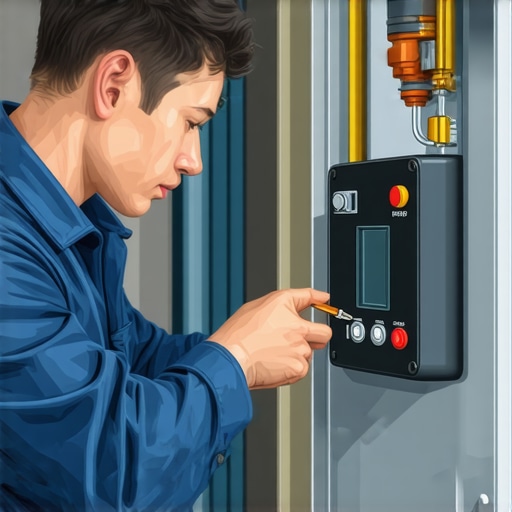
Before you touch anything, understand that you are working around high voltage and combustible gas. Shut off the service switch on the side of the furnace. If you don’t, you might blow a 3-amp fuse on the board and then you’ll be calling me anyway. First, locate the pressure switch—it usually looks like a small plastic pancake with two wires and a rubber tube. Follow that rubber tube back to the induced draft blower housing. Pull the tube off the plastic port on the blower side. Now, take your paperclip and straighten out one end. Insert it into the small hole on the inducer housing. You aren’t trying to spear a fish; you are just gently reaming out any debris or scale that has built up at the throat of that port. You’ll often feel a slight ‘crunch’ as the mineral deposits break away. Once it feels clear, blow into the rubber tube gently to make sure the switch clicks, then reattach it to the port. Flip the power back on. If the inducer starts up and you hear the ‘click’ of the pressure switch followed by the glow of the igniter, you just saved yourself a mortgage payment.
“Proper vent sizing and termination are critical for the safe operation of category IV condensing appliances to prevent pressure switch cycling and condensate backup.” – ASHRAE Standards
The Math: Repair vs. Replacement
When does a simple fix stop being enough? If you are constantly clearing that port, you have a drainage problem. If your tin knocker didn’t pitch the PVC vent pipes back toward the furnace correctly, water will pool in the lines, increase the static pressure, and cause the switch to trip. This is where airflow becomes king. A furnace is a system, not a collection of parts. If your return air is undersized, or if you’re using those high-MERV ‘1-inch’ pleated filters that act like a brick, you are putting undue stress on every component, including the inducer. If you are looking at a repair bill that exceeds 50% of the cost of a new mini-split or a high-efficiency furnace, then we talk replacement. But if the heat exchanger is intact and the inducer is pulling its weight, a paperclip and some common sense are your best friends. I’ve seen 20-year-old ‘beaters’ outlast brand-new ‘high-tech’ units simply because they were maintained by someone who understood physics rather than someone who understood sales commissions.
Conclusion: Physics Over Marketing
In the North, we deal with cracked heat exchangers and carbon monoxide risks every single day. These are serious issues that require professional heating service. However, don’t let a ‘Sales Tech’ scare you into a five-figure AC installation or furnace swap just because of a pressure switch code. Check the port. Check the tubes for cracks. Make sure the condensate trap isn’t plugged. HVAC isn’t magic; it’s a balance of pressure, temperature, and electricity. If you keep the airflow moving and the ports clear, that ‘dead’ furnace might just have another ten years of life in it. Remember: the suction line should be beer-can cold in the summer, and your pressure ports should be clear in the winter. That is the architect’s way. { “@context”: “https://schema.org”, “@type”: “HowTo”, “name”: “How to Clean a Furnace Pressure Switch Port”, “step”: [ { “@type”: “HowToStep”, “text”: “Turn off the electrical power to the furnace using the service switch.” }, { “@type”: “HowToStep”, “text”: “Locate the pressure switch and the rubber vacuum tubing leading to the inducer motor.” }, { “@type”: “HowToStep”, “text”: “Disconnect the rubber tubing from the inducer motor port.” }, { “@type”: “HowToStep”, “text”: “Straighten a paperclip and gently insert it into the inducer port to clear any debris.” }, { “@type”: “HowToStep”, “text”: “Reconnect the tubing and restore power to test the furnace operation.” } ] }