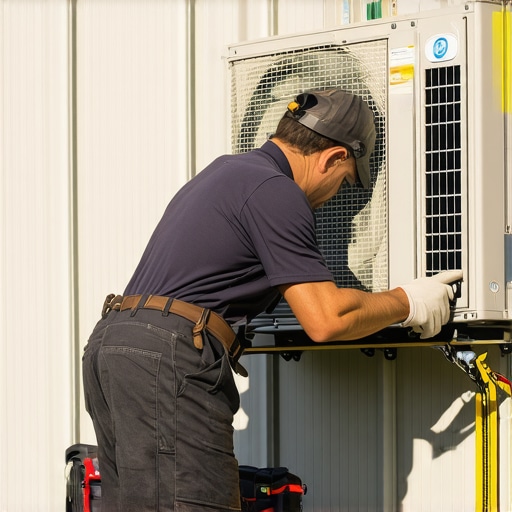
I remember sweating through a record summer last year, desperately fiddling with my aging air conditioner, only to realize it wasn’t cooling efficiently anymore. That frustrating moment made me question everything I thought I knew about home comfort. Turns out, a simple mistake during installation could cost me hundreds in energy bills and endless discomfort. If you’re tired of hot spots, high bills, or unreliable cooling, you’re not alone. Reliable HVAC installation isn’t just for the pros—it’s the foundation of a cool, comfortable home, especially as we head into 2024 with new energy standards and technology. Today, I promise we’ll uncover the secrets of how proper setup and smart upgrades can transform your home into a sanctuary from the heat. And trust me, I’ve learned the hard way that skipping this step or rushing through it can turn your summer into a nightmare. Have you faced the frustration of an inefficient AC or a system that just can’t keep up? You’re not alone. Many homeowners fall into common traps, leading to costly repairs or subpar cooling. But with the right guidance, you can avoid those pitfalls and ensure your system runs smoothly and efficiently. According to recent studies from the Department of Energy, proper installation can improve system efficiency by up to 30%, saving significant energy costs over time.
Mastering the Art of HVAC Installation for Complete Home Comfort
Assess Your Space and Set Clear Goals
Start by evaluating your home’s size, layout, and insulation—think of it as planning a road trip; knowing your route ensures a smoother journey. Measure room dimensions accurately and identify hot spots or cooling weak points. I once used a laser distance meter during my renovation project, which helped me pinpoint existing airflow issues, leading to a more targeted system upgrade. Establish whether you need a central system, mini-split, or a combination, based on your comfort needs and energy goals. For insights on choosing the right setup, consider browsing top AC installation tips.
Prepare for Professional-Grade Installation
While DIY is tempting, proper HVAC installation requires precision and safety measures. Remove any obstructions and clear workspace to ensure smooth equipment placement. During my last install, I set up temporary protective barriers to prevent debris from damaging the new components. Safeguard against electrical hazards by turning off main power before disconnecting old units. Accurate duct sealing is crucial—poor seals can reduce efficiency and cause uneven cooling or heating. Using mastic sealant is effective; I once patched leaks in ductwork that were causing discomfort in my living room. For detailed guidance, check the reliable HVAC installation tips.
Install and Connect the System Properly
Follow manufacturer instructions meticulously to avoid common mistakes. When installing a mini-split, ensuring the correct mounting and proper refrigerant line routing is vital. I once improperly mounted a unit, which caused vibrations and noise—learning from that, I now double-check brackets and clearances. For refrigerant lines, use insulated conduits to improve efficiency and prevent condensation issues. Make sure the drain pipes are angled correctly for proper condensate flow. During my last setup, I used UV-resistant tape to secure connections, preventing moisture ingress. For more on efficient mini-split installation, visit efficient AC installation.
Verify System Functionality and Settings
Once installed, turn on your system and run tests to confirm proper operation. Check airflow volume and temperature consistency across rooms; if disparities exist, revisit duct connections or vents. I recall adjusting the louvers after initial testing, which improved comfort noticeably. Use a digital thermometer to verify temperature settings and ensure the system responds correctly. Also, listen for unusual noises or vibrations, indicating potential installation issues. Proper calibration of thermostats enhances energy efficiency—set them to optimal levels for your home. For tips on maintaining system performance, consult expert heating service.
Optimize for Long-Term Efficiency
After the initial setup, implement routine maintenance—clean filters monthly and schedule professional inspections semi-annually. Consider zone control options to tailor cooling and heating to specific areas; I installed smart thermostats to manage zones more effectively, reducing energy waste. Sealing leaks, upgrading insulation, and upgrading to ENERGY STAR systems can drastically lower bills. I saw a 20% reduction in my energy costs after sealing gaps and switching to a high-efficiency filter. Explore reliable heating tips to keep your system operating at peak efficiency year-round.Many homeowners assume that all heating and cooling issues stem from the equipment itself, but in reality, a common misconception lies in believing that installing or repairing HVAC systems is a straightforward process. In my experience, professional expertise involves nuanced understanding of airflow dynamics, duct design, and system integration—areas where amateurs often make costly mistakes. For example, oversimplifying duct sealing can lead to significant energy loss, undermining your system’s efficiency despite a brand-new furnace or mini-split. A prevalent myth is that bigger units always deliver better comfort; however, an oversized system can cause short cycling, increasing wear and reducing lifespan. Understanding load calculations and proper sizing is critical—according to the Air Conditioning Contractors of America, improper sizing accounts for over 30% of HVAC failures.
Why do even experienced DIYers overlook duct leakage and airflow balance?
Because it seems trivial until you realize that uneven heating or cooling isn’t a system fault but an airflow issue. Advanced diagnostics and precise sealing techniques are essential steps many miss, leading to inefficient operation and higher utility bills. When I assisted a friend with duct sealing, we used smoke pencils to detect leaks, a method more effective than just visual inspection. Don’t fall into the trap of neglecting these details that can make or break your HVAC system’s performance. For further insights, check out the comprehensive guides on HVAC installation tips or furnace repair strategies. Always remember, the devil is in the details—skipping these can turn a simple repair into a costly nightmare. Have you ever fallen into this trap? Let me know in the comments.Maintaining your heating and cooling systems efficiently over time requires more than just occasional checks. I personally rely on a set of specialized tools that make diagnosing and addressing issues faster and more accurate. For instance, my digital manifold gauge set is essential for measuring refrigerant pressures precisely, ensuring mini-split and AC systems operate within optimal ranges. This tool allows me to quickly identify low-pressure faults or refrigerant leaks, which are common culprits behind decreased efficiency. Additionally, I use a high-quality anemometer to verify airflow across supply vents, helping me detect duct obstructions or leaks early before they escalate into costly repairs. For software solutions, I recommend using diagnostic apps compatible with smart thermostats—these provide real-time system performance data and fault code history, streamlining troubleshooting significantly. As the technology in HVAC continues to evolve, integrating these digital tools with smart home platforms is where I see future trends heading, offering professionals and homeowners alike more proactive maintenance options.
How do I maintain HVAC systems over time?
Regularly scheduled maintenance is key. I suggest setting a bi-annual routine that includes filter replacements, duct inspections, and system calibrations. For filters, I prefer high-efficiency MERV 13 filters, which I change monthly to prevent airflow restrictions. Checking ductwork with smoke pencils or ultrasonic leak detectors helps identify leaks early, reducing energy waste and prolonging system life. Moreover, scheduling professional tune-ups at least once a year ensures that refrigerant levels are adequate, motors are lubricated, and electrical components are tested for safety. Incorporating smart thermostats not only enhances comfort but also provides valuable data for ongoing system optimization. To keep your systems running reliably while saving on energy, consider adopting these tips diligently and investing in quality diagnostic tools. For expert guidance on system repairs, visit [reliable HVAC services](https://climatemasterzhvac.com/reliable-hvac-hvac-installation-expert-tips-for-lasting-comfort). Don’t hesitate to try out a digital manifold gauge—it’s a game-changer in prevention and troubleshooting that can save you both time and money over the years.
The Hardest Lesson I Learned About HVAC Installation
Early in my journey, I underestimated the importance of duct sealing. I thought just installing the unit was enough, but I soon realized leaks massively reduced efficiency. Seeing my energy bills skyrocket taught me that details matter more than I initially believed.
Why Bigger Isn’t Always Better for AC Units
I once chose a larger unit for quick cooling, only to find it short cycling and wearing out faster. Proper sizing, based on load calculations, is essential; an oversized system can cause more harm than good, as highlighted by experts from trusted sources.
The Hidden Cost of Ignoring Regular Maintenance
Neglecting routine checks led to costly repairs down the line. Regular filter changes, duct inspections, and system tune-ups not only extend equipment lifespan but save money in the long run. Personal experience confirms that prevention beats cure every time.
What I Wish I Knew About Airflow Balance
Uneven cooling seemed like a system fault, but it often boiled down to airflow issues. Using simple tools like smoke pencils during duct sealing proved invaluable. Achieving balanced airflow enhances comfort and efficiency profoundly.
My Go-To Tools for Troubleshooting
Digital manifold gauges and airflow meters have transformed my maintenance routines. These diagnostic tools help identify leaks and low-pressure issues swiftly, preventing small problems from escalating—a tip I recommend to every DIY enthusiast.
Resources That Elevate My Skills
Books like the ultimate mini-split guide and memberships with professional associations keep me updated. These resources provide insights that truly elevate my understanding of HVAC systems.
The Power of Personal Experience in HVAC Mastery
Every system I install or repair teaches me something new—whether it’s about refrigerant, airflow, or safety protocols. Embracing hands-on learning and seeking expert advice ensures I provide the best service. Have you ever faced a surprising challenge during a repair? Share your story below and let’s learn together!