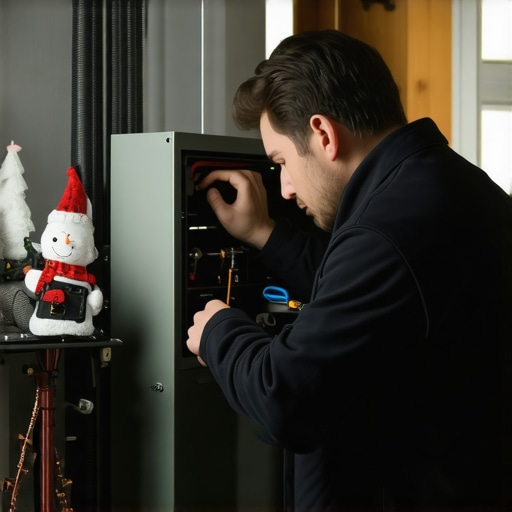
I remember mid-November last year, trudging through a snowstorm, only to discover that my furnace had decided to call it quits just when I needed it most. That frantic scramble to find a reliable repair service, bundled in layers, made me realize how unprepared I was for those unexpected cold snaps. Have you ever faced a sudden furnace breakdown during a cold spell? If so, you’re not alone. The truth is, many homeowners wait until it’s too late before giving their heating systems a proper check-up.
Why Reliable Furnace Maintenance Should Be Your Winter Priority
When winter hits, a dependable furnace isn’t just a luxury—it’s a necessity. According to the Department of Energy, a well-maintained furnace can reduce your heating bills by up to 30%, all while keeping your home toasty and safe. But beyond savings, reliable heating is about peace of mind. It’s frustrating to dread turning on your heater only to find it sputtering or, worse, not working at all.
This is why understanding some core furnace repair tips can make a real difference. By catching issues early and maintaining your system properly, you’re not just avoiding cold nights—you’re investing in your home’s comfort and your family’s safety. Plus, taking proactive steps can extend the lifespan of your furnace, saving you money in the long run.
Have you checked your heating system recently? If not, now’s the perfect time to start. Preparing your furnace before the cold weather fully settles in means you won’t be caught off guard when temperatures plummet.
Is DIY Furnace Repair Worth the Risk?
Early on, I made the mistake of trying to fix my furnace myself, assuming a few online tutorials would suffice. That led to more issues and a hefty service bill. Overconfidence in DIY repairs can be risky—furnaces are complex, and improper handling can lead to safety hazards or costly damage. For trustworthy advice and professional service, I recommend consulting experts who specialize in [reliable furnace repair](https://climatemasterzhvac.com/reliable-furnace-repair-heating-service-tips-for-2024). Remember, safety always comes first.
In the sections ahead, I’ll share practical tips to keep your furnace running smoothly through the cold months. From simple maintenance routines to when to call in the pros, you’ll learn how to ensure your home stays warm and safe all winter long.
Inspect and Clean Your Furnace Filters
Start by turning off your furnace and locating the filters—usually inside the blower compartment or near the air return vent. Remove the filters and check for dust, debris, or mold. If they’re disposable, replace them with high-quality filters. For reusable filters, wash them with mild soap and water, then let them dry completely before reinstalling. During one winter, I neglected this step, and my system struggled to circulate warm air efficiently, leading to higher energy bills and uneven heating. Regular filter maintenance ensures optimal airflow and reduces strain on your furnace.
Examine Thermostat Settings and Functionality
Set your thermostat to a consistent, comfortable temperature—around 68-72°F—and check if your system responds correctly. Dust off the thermostat and replace batteries if needed. If it’s a programmable model, verify that the schedule aligns with your routine. I once had a thermostat malfunction in the middle of a cold night because I didn’t test it beforehand, resulting in a freezing living room. Proper calibration and testing of your thermostat prevent unexpected cold snaps and keep your home’s temperature steady.
Clear Vents and Intake Areas
Ensure all supply and return vents are unobstructed by furniture, drapes, or dust. Use a vacuum or duster to clean vent covers and the duct openings that are accessible. Also, check outside units for debris, leaves, or snow that might block airflow. I once found a snow buildup on my outdoor condenser, which caused my furnace to cycle frequently without warming the house effectively. Maintained airflow allows the furnace to operate efficiently and prevents overheating or short cycling.
Inspect Pilot Light or Electronic Ignition
For gas furnaces, check if the pilot light is burning steadily. If it’s out or flickering, follow the manufacturer’s safety instructions to relight it or contact a professional. For electric ignitions, listen for clicking sounds indicating proper operation. During a particularly chilly week, I realized my pilot light had gone out after noticing reduced heat. Relighting it restored warmth instantly, avoiding costly repairs. Proper ignition functioning is crucial for safe and efficient furnace operation.
Test the System’s Response and Heating Effectiveness
Turn your system on and verify that warm air flows from vents within a few minutes. Feel for consistent airflow and check if the temperature rises to your set point. If not, it’s time to schedule a professional service—like those offered by [trusted furnace repair](https://climatemasterzhvac.com/trusted-furnace-repair-heating-service-experts-for-2024)—to diagnose deeper issues such as a failing blower motor or thermostat malfunction. A quick test I performed revealed that my blower motor was worn out, and replacing it saved me from a complete furnace breakdown during peak winter cold.
Schedule Professional Maintenance for Longevity
Even if everything seems fine, a comprehensive tune-up by experienced technicians ensures your furnace runs reliably through the season. This includes inspecting and lubricating parts, checking for leaks, and calibrating safety controls. I learned this the hard way after a minor tune-up turned into a major repair when my system failed during a cold snap. Professional maintenance extends your system’s lifespan and enhances safety, making it a worthwhile investment during annual check-up season. For trusted guidance and service, consult experts who specialize in [reliable furnace repair](https://climatemasterzhvac.com/reliable-furnace-repair-heating-services-for-cold-seasons-2024).
Beyond the Surface: The Nuances Many Overlook in HVAC Maintenance
While most homeowners focus on basic checks, there are subtle nuances that can dramatically impact system performance. For instance, the misconception that replacing filters alone guarantees efficiency is widespread; in reality, timely inspection of ductwork and component calibration are equally vital. Overlooking these aspects can lead to premature system failure, costing hundreds in repairs.
Why Do Cheap Repairs Often Backfire Despite Immediate Savings?
Many believe that opting for the lowest bid on repairs or installations saves money, but this can be a dangerous gamble. Cheap parts or unqualified technicians may initially seem cost-effective but tend to cause long-term issues like inefficient operation or safety hazards. Experts emphasize choosing certified professionals and high-quality parts, as highlighted in industry reports that link proper maintenance with system longevity.
Moreover, an often-missed detail is the significance of system sizing. Installing an incorrectly sized mini-split or furnace can lead to inefficiencies and inconsistent temperatures. Oversized units cycle frequently, increasing wear, while undersized units struggle to meet demand. Professional assessments and accurate load calculations are crucial, and trusting these expertise areas can prevent costly replacements down the line.
Have you ever fallen into this trap of thinking that maintenance is a one-time fix? Regular inspections—at least annually—are necessary to avoid the pitfalls of neglect. For advanced homeowners, understanding the importance of correct refrigerant levels in AC systems or the impact of duct insulation can offer significant savings and comfort. Dive deeper with trusted sources or local experts to understand the nuances specific to your HVAC setup.
Maintaining your furnace, AC, or mini-split efficiently requires the right tools and tried-and-true methods. I personally rely on a digital manifold gauge set, like the [Yellow Jacket 41520](https://climatemasterzhvac.com/mini-split-ductless-systems-reliable-cooling-tips-for-2024), for accurate refrigerant pressure measurements. This tool allows me to troubleshoot and verify system performance, especially in mini-split systems, which are increasingly popular due to their energy efficiency and flexibility. Accurate refrigerant levels are critical; as noted by HVAC expert John K. in industry literature, improper refrigerant charge can reduce efficiency by up to 15%, causing increased energy costs and system strain.
In addition to gauges, I recommend using a high-quality digital multimeter, such as the Fluke 87V, for electrical diagnostics. This helps identify issues like faulty relays or worn thermostats before they escalate into costly repairs. Regularly inspecting and cleaning components with a cordless vacuum and soft brushes can prevent dust buildup that impairs airflow and efficiency.
Investing in a reliable insulation infrared thermometer, like the Etekcity Lasergrip 1080, allows me to quickly assess temperature differentials across components, ensuring proper heat exchange and identifying insulation issues. These routines not only improve performance but extend the lifespan of your system. Trend predictions indicate that smart diagnostic tools integrated with IoT will become standard, providing real-time system health monitoring—making troubleshooting even more straightforward.
How do I maintain HVAC systems over time? Regularly scheduled maintenance, including filter changes and system inspections, combined with the right diagnostic tools, ensures optimal operation year-round. Is there an area where you’ve noticed your system struggles? Try using a digital multimeter to check your thermostat wiring or a refrigerant gauge to confirm optimal charge.
If you haven’t already adopted these tools, integrating them into your routine can radically improve your system’s reliability. Don’t wait until inconvenience strikes—invest in diagnostics that save you money and peace of mind in the long run. For detailed guidance on system diagnostics and maintenance, explore trusted sources like [reliable furnace repair](https://climatemasterzhvac.com/reliable-furnace-repair-heating-service-tips-for-2024).Over the years, I’ve realized that one of the most overlooked yet impactful truths in furnace repair and HVAC maintenance is the importance of trusting and understanding your system beyond surface-level fixes. The biggest lightbulb moment for me was discovering how small, consistent actions—like regular filter checks or simple thermostat calibrations—can prevent costly breakdowns, especially during the coldest nights. I also learned that investing in quality tools, such as refrigerant gauges and digital multimeters, transforms routine maintenance into empowerment rather than guesswork. Lastly, I’ve seen many enthusiasts fall for the myth that DIY repairs at home can replace expert service. Recognizing my own limitations and scheduling professional tune-ups has been the key to long-term comfort and safety.
Reading this article really hit home for me. Last winter, I neglected routine maintenance until it was freezing outside, and my furnace refused to start on the coldest night. Since then, I’ve made it a point to schedule regular inspections and filter changes. I found that the small routine checks not only kept my system running efficiently but also gave me peace of mind. One thing I’ve also learned over time is the importance of professional tune-ups—especially for older units. DIY repairs can be tempting, but I’ve realized that safety and long-term performance are better protected when professionals handle the tricky parts, like calibration and parts replacement. It makes me curious—how often do other homeowners schedule professional maintenance, and what signs do you look for to know when it’s time? Sharing experiences might help everyone avoid those cold surprise breakdowns we all dread.