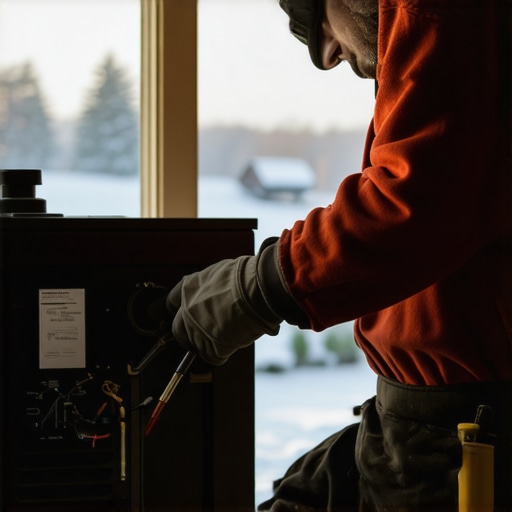
It was a freezing Sunday morning when I realized my furnace was on the fritz—cold air blowing where warm should have been. I had huddled under a blanket, shivering, thinking, “Why didn’t I get this checked sooner?” That lightbulb moment made me recognize how easy it is to ignore the signs of an aging or faulty furnace until you really need it. Now, I want to save you from a similar icy surprise.
Why Reliable Heating Matters More Than Ever
In the dead of winter, a dependable furnace isn’t just a comfort—it’s a necessity. I’ve learned firsthand that even a minor neglect can leave you sweating buckets trying to fix things during a cold snap. According to the Department of Energy, heating accounts for nearly half of the energy consumed in American homes, which means maintaining your system not only saves you from discomfort but also saves money in the long run. Knowing how to keep your furnace running reliably can make or break your winter experience.
Is Falling Behind on Maintenance Actually Cost-Effective?
Many homeowners, myself included early on, underestimate the importance of regular maintenance. I used to think that as long as the furnace turned on, I was good to go. Big mistake. I missed simple signs of wear, which eventually led to a breakdown right when I needed my heat the most. Early in my journey, I overlooked a minor rattling noise and dismissed it as harmless; instead, it was a warning sign of an impending failure. Trust me, preventive care beats emergency repairs every time.
If you’ve ever wondered whether putting off heating system checks is worth risking a cold night, you’re not alone. One common mistake I see homeowners make is neglecting routine inspection—something that can be addressed quite affordably with professional help. For expert tips on maintaining your heating system and avoiding costly repairs, check out [Furnace Repair: Tips for Lasting Warmth in 2024](https://climatemasterzhvac.com/furnace-repair-heating-service-tips-for-lasting-warmth-in-2024).
Before diving into solutions, ask yourself: have you faced a sudden furnace shutdown during winter? If so, you’re already aware of how disruptive it can be. Next, let’s explore practical steps to ensure your heating system is ready for those chilly months ahead.
Inspect Your System Regularly
Think of your furnace like a car; neglect it, and you’re in for costly breakdowns. I once skipped an annual check-up, and during a particularly cold night, my furnace failed unexpectedly. To prevent such surprises, schedule a comprehensive inspection at least once a year with a professional. This involves checking filters, belts, and electrical components. During my last visit, the technician discovered a worn-out belt that, if left neglected, could have caused a system failure next winter.
Clean and Replace Filters Immediately
Dirty filters reduce airflow, forcing your furnace to work harder and risking overheating. I once ignored a clogged filter for months, leading to inconsistent heating and a spike in my energy bill. Replacing filters is straightforward: turn off the system, remove the old filter, and install a new one matching your unit’s specifications. I recommend doing this every 1-3 months during peak usage seasons. For guidance on selecting the right filters, visit heating maintenance tips.
Ensure Proper Ventilation and Clearances
Blocked vents or clutter around your furnace can impair operation. I once noticed that a pile of boxes was too close to my unit, risking airflow obstruction. To optimize performance, keep at least 24 inches of clearance around the furnace. Additionally, regularly check that vents are unobstructed indoors and outdoors. Proper ventilation not only enhances efficiency but also safeguards against dangerous carbon monoxide buildup. Consider scheduling an annual safety check with an HVAC professional, like those recommended in furnace repair tips.
Test Your Thermostat for Accuracy
A faulty thermostat can cause your system to cycle improperly. I experienced this firsthand when my thermostat read 68°F, but the house was much colder. To avoid this, set your thermostat to a known temperature and verify if your system responds accordingly. Replacing or recalibrating thermostats can be complex; if you notice inconsistencies, it’s best to consult an expert from HVAC installation professionals. Proper calibration ensures consistent comfort and prevents your system from overworking.
Keep the Blower and Fans in Top Shape
Sticky or dirty blower motors can reduce airflow, making your furnace less efficient. I once found that cleaning my blower assembly and lubricating moving parts extended the lifespan of my unit. Turn off power before inspecting, then carefully clean dust and debris with a soft brush or compressed air. If you’re uncomfortable doing this yourself, an HVAC technician can perform this service during routine maintenance. Well-maintained fans improve air circulation and overall system efficiency, enhancing your home’s warmth.
Check for Unusual Noises or Odors
If your furnace starts making squealing, rattling, or burning smells, don’t ignore these signals. I once ignored a faint hum, which later turned into a loud screech, indicating a failing component. Immediate attention can prevent more extensive damage. Document any odd sounds and schedule a professional evaluation from trusted experts like those detailed in furnace repair services. Early detection ensures reliable operation throughout winter.
When it comes to HVAC systems, many homeowners operate under misconceptions that can undermine efficiency and longevity. A common misconception is that larger equipment automatically provides better performance. In reality, oversizing a unit like a mini-split not only wastes energy but also leads to more frequent maintenance issues due to short cycling. Proper sizing, based on detailed load calculations, is essential for optimal comfort and system longevity. For insight into choosing the correctly sized units, see [Mini-split HVAC expertise](https://climatemasterzhvac.com/expert-ac-installation-mini-split-systems-for-lasting-summer-comfort).
Another widespread myth is that DIY installation or repair can match professional standards. While handling minor tasks might seem cost-effective, improper installation can cause inefficiencies, increased wear, and safety hazards. For example, incorrect refrigerant charging during AC installation can reduce cooling capacity and increase energy bills. Always consult with experts to ensure compliance with safety standards and warranty requirements. Learn more about effective mini-split solutions at [Effective mini-split system solutions](https://climatemasterzhvac.com/effective-mini-split-system-solutions-for-reliable-home-comfort).
A less obvious yet critical nuance involves understanding system compatibility. Many assume that all heating solutions are interchangeable. However, integrating incompatible systems—like pairing an old furnace with a modern mini-split—can result in uneven heating, higher costs, or system failures. A detailed assessment by HVAC professionals ensures seamless integration for year-round comfort. Explore trusted installation strategies at [Trusted HVAC installation](https://climatemasterzhvac.com/expert-hvac-installations-heating-solutions-for-year-round-comfort).
Speaking of mistakes, the ‘oops’ trap many fall into is neglecting regular maintenance schedules. Skipping filter changes or ignoring unusual noises can accelerate component fatigue. A specific warning: neglecting refrigerant leaks can cause compressor failure, leading to expensive repairs. Regular inspections and prompt service help prevent such costly mishaps. For reliable solutions, see [Furnace repair tips for lasting warmth](https://climatemasterzhvac.com/furnace-repair-heating-service-tips-for-lasting-warmth-in-2024).
An advanced question often overlooked by homeowners is: ‘How can smart technology improve HVAC system reliability?’ Integrating smart thermostats and diagnostic tools can provide real-time alerts, predictive maintenance, and energy optimization. According to a study by the U.S. Department of Energy, smart systems can reduce energy consumption by up to 30%, enhancing efficiency and lifespan. To maximize benefits, consult with professionals experienced in smart HVAC integrations, like those at [Expert heating services](https://climatemasterzhvac.com/expert-heating-service-furnace-repair-for-reliable-winter-comfort).
In summary, mastering the nuances of HVAC installation and maintenance requires insight beyond the basics. Avoid common pitfalls by seeking professional guidance, prioritizing compatibility, and leveraging technology. Have you ever fallen into this trap? Let me know in the comments.
How Do I Maintain My HVAC System Over Time? Essential Tools and Tips
Regular maintenance is critical to ensure your heating and cooling systems operate efficiently and reliably throughout their lifespan. Over the years, I’ve found that investing in quality tools and adopting systematic routines makes all the difference. One essential item I rely on is a digital multimeter, which allows me to safely check electrical components like thermostats and relays, preventing minor issues from escalating into costly repairs. Additionally, a handheld anemometer helps me verify airflow rates, ensuring filters and vents are unobstructed for optimal performance. For cleaning, I recommend using compressed air cans and soft brushes to remove dust from blower motors and evaporator coils—simple tools that significantly extend system longevity.
Beyond hardware, embracing specific maintenance software can streamline scheduling and record-keeping. Personally, I use a maintenance app that sends me reminders for filter changes, calibration checks, and safety inspections. This habit ensures I never overlook crucial upkeep steps and helps catch potential problems early. An excellent example is these maintenance tips, which recommend integrating routine checks with digital tools for maximum efficiency.
Looking ahead, I predict that smart diagnostic tools integrated with HVAC systems will become standard, providing real-time alerts on issues like refrigerant leaks or airflow restrictions, much like industry experts suggest in technical documentation. This evolution will make home maintenance more proactive, reducing emergency repairs and extending system life. I encourage homeowners to consider installing smart thermostats or sensors compatible with your existing equipment to reap immediate benefits and prepare for this future trend.
To genuinely keep your system working seamlessly, try implementing a regular check-up routine using the tools I’ve mentioned, along with professional inspections at least once a year. It’s surprising how much these small investments in time and equipment can save in the long run and ensure your home stays comfortable during those coldest months.
Lessons Hidden in My HVAC Journey That Changed Everything
- The smallest warning signs, like a faint rattling or irregular clicking, often hide big problems. Recognizing these early can save you from pricey repairs and cold nights.
- Investing in the right tools, like a digital multimeter or an anemometer, isn’t just techie fun—it’s a game-changer for proactive maintenance and understanding your system’s true health.
- Trusting professionals over DIY shortcuts saves headaches and ensures your system is fully optimized. I learned the hard way that shortcuts can turn into expensive lessons—so don’t skip the expert checkups.
Favorite Resources That Keep My Home Cozy
- HVAC Maintenance Apps: Using scheduling apps helps me stay ahead of filter changes and routine check-ups, which keeps my system running smoothly and extends its lifespan.
- Trusted HVAC Service Providers: I rely on experts like those at this site for annual inspections and emergency repairs—they truly make a difference.
- Educational Guides and Blogs: Resources like this blog help me understand what my system needs and how to troubleshoot simple issues myself.
Reading this post really hits home—I’ve learned the hard way that neglecting regular maintenance can turn a simple fix into an emergency during the coldest nights. I especially agree with the emphasis on inspecting your system regularly; a quick annual check-up can save a lot of headaches. One thing I’ve found helpful is setting reminders on my phone for filter replacements and safety inspections, which keeps me accountable. I’m curious though, for those of us living in older homes, is there a different approach to maintenance or any specific upgrades that can improve reliability without completely replacing the system? It seems like in some cases, strategic upgrades or targeted repairs might extend the lifespan without a full overhaul. Would love to hear others’ experiences, especially from homeowners in similar situations. It’s a relief to know that small consistent steps can make a big difference in keeping the winter chill at bay.
This post really highlights how easy it is to overlook small issues before they turn into major problems, especially during the busy winter months. I personally learned the hard way that ignoring a slightly noisy furnace can lead to unexpected breakdowns when you need it most. The tips on regular inspections and filter changes are so crucial because these simple actions can prevent a lot of costly repairs and discomfort. I also find that keeping a maintenance checklist helps me stay on top of things, especially since I live in an older home with an aging system. Has anyone here upgraded their old furnace with a smart thermostat or modern controls? I’ve been considering that route to improve reliability and efficiency, but I’m curious about real-world experiences or recommendations. It seems like technology can really make a difference in predicting and preventing failures—what are your thoughts?