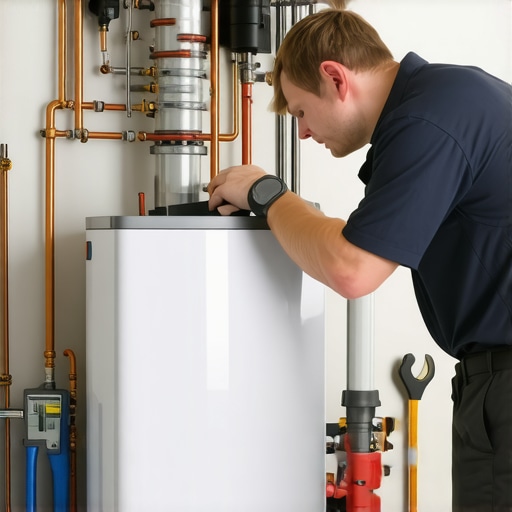
I remember a chilly winter night when my old furnace decided to give up just as the coldest snap hit. It was a wake-up call that I couldn’t ignore. That night, I realized how crucial reliable heating is, especially when temperatures drop unexpectedly. It’s a feeling I bet many homeowners are familiar with—suddenly shivering, wondering if your heater will make it through the night. That’s why I’m here to share proven tips for ensuring your furnace and heating systems stay dependable all winter long.
Why Your Heating System Needs a Boost Before Winter Hits
Many folks underestimate the importance of pre-season maintenance. A well-maintained furnace isn’t just about comfort; it’s about safety, efficiency, and saving money. According to the U.S. Department of Energy, a neglected heating system can waste up to 30% of its energy, costing you hundreds more each year. Early checks and minor repairs can prevent costly breakdowns during the coldest months. Trust me, I’ve made the mistake of ignoring my furnace’s strange noises, only to face an expensive emergency when it was freezing outside. That’s why I suggest taking action now, before the cold arrives in full force.
Is DIY Furnace Fixing Worth the Risk?
I used to think I could handle minor repairs myself, but I quickly learned that some tasks are better left to professionals. Early on, I tried to fix a faulty pilot light—big mistake. Not only did I make the problem worse, but I also risked safety hazards. Expert tips, like those from trusted HVAC providers, emphasize the importance of calling in trained technicians for complex issues. For reliable service, I recommend checking out professional furnace repair services. They know what to look for and will ensure your system runs smoothly and safely throughout the season.
So, if you’ve noticed uneven heating, strange noises, or your energy bills creeping higher, don’t ignore it. Addressing these early signs can save you from chilly nights and costly repairs later. Ready to dive into practical tips that will keep your home warm and cozy in 2024? Let’s get started with some simple steps that make a big difference.
Inspect and Clean Your Furnace Regularly
My first hands-on experience with furnace maintenance was a messy one. I decided to clean the filters myself, thinking it was simple. I shut off the power, removed the filter, and used a vacuum and a damp cloth to clean the vents. However, I didn’t realize how crucial it was to check for debris in the blower compartment. After cleaning, I noticed the system ran smoother, and my energy bills dropped. Regular inspections prevent dust buildup that can cause overheating or inefficient operation. Change filters every 1-3 months and vacuum vents to keep airflow optimal.
Test the Thermostat for Accurate Control
One winter, I found my house wasn’t heating evenly. It turned out the thermostat was misreading the temperature. I replaced the batteries, calibrated the device, and tested it by setting different temperatures. When the thermostat reads correctly, your furnace responds accurately, saving energy and ensuring comfort. Consider upgrading to a smart thermostat for better control and efficiency. Proper calibration is like giving your furnace a clear instruction manual—no confusion about when to turn on or off.
Check and Seal Ductwork for Better Efficiency
During a DIY project, I noticed my duct seams had gaps, causing warm air to escape. Sealing these with foil tape or mastic sealant is a game-changer. I used a flashlight to inspect the duct system, then sealed all leaks. This simple fix improved airflow and kept the warm air where it belongs—inside your home. Think of duct sealing as patching leaks in a garden hose—it prevents water (or heat) from escaping before reaching its destination. This step can reduce your heating costs significantly.
Ensure Proper Ventilation and Combustion
One cold night, I noticed a strange smell coming from the furnace. It was a warning sign that combustion gases weren’t venting properly. I checked the vent pipes for blockages or leaks and called a professional for a thorough inspection. Proper ventilation is critical for safety—carbon monoxide leaks can be deadly. Regularly inspect the exhaust vent and ensure there are no obstructions. Think of your furnace’s vent as a chimney—it needs a clear path to safely expel gases outside, keeping your home safe.
Schedule Professional Maintenance Annually
Despite my DIY efforts, I learned that professional tune-ups make a huge difference. I booked an HVAC technician to perform a comprehensive inspection, cleaning, and calibration. They checked the heat exchanger, blower motor, and gas connections. This annual service is like a routine health checkup—prevents major breakdowns and extends the lifespan of your system. Trust certified professionals, such as those at reliable furnace repair services, to keep your heating reliable year-round.
Many homeowners operate under misconceptions about furnace repair, AC installation, and mini-split systems that can lead to costly mistakes. Let’s dig deeper into some of these pitfalls and shed light on the nuances that often get overlooked. One prevailing myth is that DIY fixes are always sufficient for HVAC issues. While simple tasks like changing filters are manageable, complex repairs—especially involving gas lines or electrical components—should be handled by professionals. Attempting these repairs yourself can result in safety hazards or further damage, ultimately increasing costs. For reliable service, I recommend consulting expert technicians, such as those at reliable furnace repair services.
Why do many people get confused about mini-split installation benefits?
There’s a common misconception that mini-splits are just a substitute for central AC. In reality, they can be tailored for zoning, energy efficiency, and even heating in colder months. However, improper installation—like poor placement or inadequate sizing—can negate these benefits. Many underestimate the importance of professional installation, which ensures optimal performance and longevity. For detailed strategies, check out ultimate guide to mini-split systems.
Another trap is assuming that all HVAC systems are equal in quality and lifespan. This isn’t true. Cheap or poorly installed units tend to break down more often, costing more in repairs and energy bills. It’s worth investing in trusted brands and professional installation, which provide lasting comfort and cost savings in the long run. Also, many homeowners overlook regular maintenance, which is essential for keeping systems running smoothly. Regular checks and professional tune-ups can prevent small issues from escalating. Learn more about this at heating service tips.
Have you ever fallen into this trap? Let me know in the comments. Remember, understanding the true nuances of HVAC repair and installation can save you money, ensure safety, and keep your home comfortable year-round.
Keeping your HVAC systems running smoothly over the years requires more than just occasional inspections; it demands the right tools and techniques. As someone deeply involved in HVAC maintenance, I recommend investing in a few specific, high-quality tools that make a significant difference in diagnosing and fixing issues efficiently. These tools not only save time but also ensure safety and precision, which are critical for maintaining systems like furnaces, AC units, and mini-splits.
Thermal Imaging Cameras for Accurate Diagnostics
One of my favorite tools is a reliable thermal imaging camera. It allows me to quickly identify heat leaks, uneven heating or cooling, and electrical hot spots without dismantling systems. I personally use the FLIR TG165-X because of its affordability and accuracy. This tool helps catch problems early, preventing costly repairs and ensuring your systems operate at peak efficiency. As the technology advances, we’re seeing thermal cameras become more compact, affordable, and capable of connecting with smartphones, making regular home inspections easier than ever.
Digital Multimeters for Safe Electrical Checks
Electrical issues are common culprits behind HVAC failures. I always carry a high-quality digital multimeter, such as the Fluke 117, for testing voltage, continuity, and resistance. Proper electrical testing ensures that components like relays, thermostats, and wiring are functioning correctly. Using a multimeter safely is vital; I follow strict protocols to avoid short circuits or shocks. Regular electrical checks with this tool help maintain system safety and longevity, preventing unexpected breakdowns during the coldest or hottest days.
Manometers for Pressure Verification
For refrigerant systems, maintaining correct pressure levels is crucial. I rely on a digital manifold gauge set to verify refrigerant pressures, ensuring optimal cooling or heating performance. The Yellow Jacket Digital Manifold is my go-to because of its durability and clarity. Correct pressure levels not only improve efficiency but also extend the lifespan of the compressor and other components.
Vacuum Pumps for Proper System Charging
When replacing or repairing refrigerant lines, a high-quality vacuum pump is essential. I use the Robinair Vacuum Pump to remove moisture and air from the system before charging with refrigerant. This step is critical; even tiny air pockets can reduce efficiency and cause long-term damage. Investing in a reliable vacuum pump ensures your system is properly sealed and performs reliably for years to come.
Why Regular Tool Upgrades Matter for Longevity
As technology evolves, so do the tools that keep HVAC systems healthy. I predict that future tools will integrate AI diagnostics, augmented reality overlays, and wireless data transfer, making maintenance even more precise and accessible. Staying updated with the latest equipment means you can catch issues early and perform repairs with confidence. For homeowners and professionals alike, adopting these advanced tools is an investment in long-term system reliability.
How do I maintain HVAC tools over time?
Proper maintenance of your tools is just as important as using them correctly. Regularly calibrate electrical testers, clean filters on vacuum pumps, and store thermal cameras in protective cases to prevent damage. Keep software updated for digital tools, and replace worn-out parts promptly. A well-maintained toolkit ensures accuracy and safety, ultimately saving you money and headaches down the line. Think of it as giving your tools a health check—just like your HVAC systems—to keep them working reliably season after season.
Ready to take your HVAC maintenance to the next level? Start by investing in a thermal imaging camera or a digital manifold gauge. These tools provide immediate benefits in diagnostics and can help you spot issues before they turn into costly repairs. Trust me, the peace of mind knowing your systems are in top shape is well worth the investment. For more detailed strategies on system maintenance, check out the ultimate guide to mini-split systems.
During my years of managing home comfort, I’ve learned that the most critical lessons often come from unexpected failures. One of the toughest moments was realizing how easily a neglected furnace can leave you in the cold, especially when you thought it was working fine. That experience taught me the importance of proactive maintenance and understanding the nuances of HVAC systems, which can save you from costly surprises. Here are some of the hardest-learned lessons about furnace repair, AC installation, mini-split systems, and heating services that can help you avoid similar pitfalls.
The Unseen Cost of Ignoring Small Problems
One of my biggest lightbulb moments was discovering that seemingly minor issues, like a slightly noisy blower or inconsistent heating, often indicate underlying problems. Addressing these early on with professional help can prevent major breakdowns. I’ve seen how neglecting duct sealing or delaying thermostat calibration can lead to skyrocketing energy bills and reduced comfort. Trust me, regular inspections and timely repairs are a small investment that pays off in peace of mind and savings.
Myths That Can Sabotage Your Comfort
Many homeowners believe that DIY fixes are enough for complex HVAC issues. I used to think so too—until I tried to fix a gas leak myself and nearly caused a safety hazard. The truth is, systems involving gas lines and electrical components require expert handling. Also, some think mini-split installation is simple, but improper placement or sizing can diminish efficiency. Getting professional advice and services, like those from reliable furnace repair services, ensures safety and optimal performance.
The Power of Proper System Calibration
I once ignored my thermostat’s inconsistent readings, which caused uneven heating. After recalibrating and upgrading to a smart thermostat, I saw immediate improvements—better comfort and lower bills. Calibration isn’t just about setting the right temperature; it’s about ensuring your entire system responds correctly. This is especially vital for mini-splits and modern HVAC systems that rely heavily on precise controls for efficiency.
What I Wish I Knew About Ventilation and Combustion
One winter, I overlooked the importance of clear vent pipes, which nearly led to dangerous buildup of carbon monoxide. Proper ventilation is crucial for safety, and regular inspections of exhaust vents can prevent disasters. Think of your furnace’s vent as a chimney—if blocked, it can turn a cozy home into a hazard. Regular professional checks are the best way to stay safe and keep your system running smoothly.
Curated Resources to Elevate Your HVAC Knowledge
Over the years, I’ve relied on specific tools and guides that revolutionized how I maintain my systems. A thermal imaging camera, like the FLIR TG165-X, helps spot heat leaks early. A digital multimeter, such as the Fluke 117, ensures electrical safety during repairs. For refrigerant systems, a high-quality manifold gauge set verifies correct pressures—crucial for efficiency and longevity. And a reliable vacuum pump, like the Robinair Vacuum Pump, guarantees proper system sealing. Keeping these tools in top shape is essential for lasting HVAC performance.
The Emotional Power of Taking Action Now
Remember, the journey to a warm, safe home in 2024 starts with a simple step—being proactive. Regular maintenance, professional inspections, and investing in quality tools can transform your experience from stressful to confident. Don’t wait for a breakdown or a cold night to realize how important reliable heating is. Your future self will thank you for taking action today.