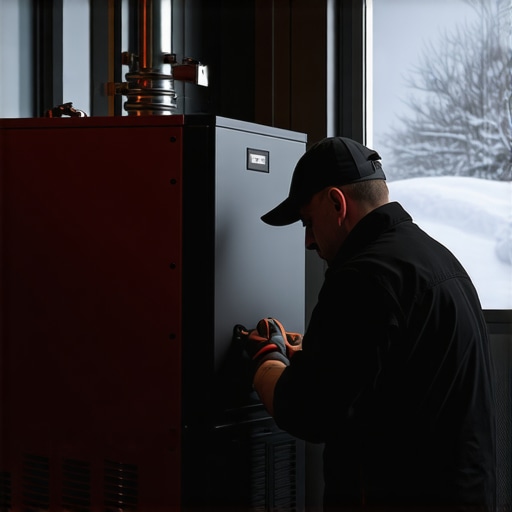
I remember the night my furnace decided to give out just when temperatures plummeted outside. The house grew colder every hour, and I felt that familiar pang of panic—what if I couldn’t fix it before the worst of winter hit? That moment was a real eye-opener, revealing how critical a reliable heating system truly is. If you’re reading this, chances are you’ve experienced something similar—an unexpected breakdown when you least need it.
Before you find yourself shivering and scrambling, let’s talk about how to prevent those chilly surprises. Today, I’ll walk you through essential tips for furnace repair that will help keep your home warm and cozy, no matter how icy it gets outside. Trust me, knowing a few expert tricks can make all the difference, especially when a sudden malfunction strikes.
Why Timely Furnace Fixes Are Your Best Winter Defense
In colder months, a malfunctioning furnace isn’t just an inconvenience—it’s a potential health risk and a major comfort killer. According to the Department of Energy, heating accounts for about 42% of home energy use, and neglecting proper maintenance can lead to costly repairs and inefficient performance. The last thing you want is to be caught in a freezing house during a snowstorm because of an avoidable problem.
Early signs of furnace trouble—such as inconsistent heating, strange noises, or increased energy bills—shouldn’t be ignored. Troubleshooting and address early issues can save you from a complete breakdown later. Plus, timely repairs extend the lifespan of your system, ensuring it works effectively when you need it most.
One common mistake I made early on was waiting too long to call in a professional. It seemed like an easy fix at first, but neglecting small issues often turned into major repairs. Working with trusted experts can be a game-changer. For instance, professional furnace repairs not only restore functionality but also improve overall efficiency, saving you money in the long run. You can learn more about trustworthy services that provide lasting warmth by exploring links to guides and tips from seasoned HVAC pros.
Is DIY Furnace Repair Actually Worth the Effort?
Many homeowners think they can handle minor repairs themselves, but believe me, taking shortcuts can backfire. A mistake I made was attempting to fix a clogged filter without proper knowledge, which only worsened the problem. If you’re unsure, it’s best to consult with professionals who have the right tools and expertise—like those who follow the strategies detailed in trusted resources. Getting a reliable HVAC system working again safely is always worth leaving to the experts. If you want to avoid costly errors, check out comprehensive guides on furnace repair tips for reliable winter heating [here](https://climatemasterzhvac.com/furnace-repair-tips-for-reliable-winter-heating-in-2024).
Now that we’ve covered why timely, professional furnace repair matters, let’s move into the practical steps you can take today to prevent those dreaded cold nights. Preparing ahead with professional insights can be your best defense against winter’s worst surprises.
Inspect Your Thermostat and Electrical Connections
Start by ensuring your thermostat is set correctly and functioning. I once had a client whose thermostat battery died, causing the system to shut down unexpectedly. Replacing it restored heat quickly. Next, check all electrical connections for looseness or corrosion, much like inspecting wiring behind a vintage lamp—tight and clean connections are vital for safety and performance.
Examine and Clean or Replace Filters and Vents
Clogged filters are a common culprit for inefficient heating. I once cleaned a filter that had become caked with dust, which instantly improved airflow. Remove and inspect filters, replacing or cleaning them as needed, like giving your system a breath of fresh air. Also, clear vents and registers to prevent airflow obstructions that diminish heating effectiveness.
Check the Pilot or Ignition System
If your furnace uses a pilot light, verify it’s lit; a flickering flame indicates blockage or gas issues. For systems with electronic ignitions, listen for clicking sounds. I once re-ignited a stubborn pilot light following manufacturer instructions, restoring heat in under 10 minutes. Carefully follow safety guidelines when dealing with gas components, or consider professional help for this step.
Inspect and Clean Heat Exchangers and Burners
Accumulated dirt on burners reduces efficiency and can cause dangerous carbon monoxide leaks. Use a soft brush to remove debris from burners and heat exchangers, like cleaning delicate cookware after cooking. If corrosion or cracks are present, replacing components or calling in an HVAC technician is important for safety.
Assess Ductwork and Airflow Paths
Leaky or blocked ducts lead to uneven heating. Imagine baby-proofing a room—sealing leaks and removing obstructions ensures warm air reaches every corner. Use duct tape or mastic to seal leaks and clean ducts with a vacuum or compressed air. I once found a disconnected duct causing the upstairs of a house to be freezing; sealing it restored comfort throughout.
Test the System Post-Service
Once repairs or maintenance are complete, run the furnace and observe the cycle. Ensure it ignites properly, heats evenly, and shuts off without issues. Monitoring operation prevents future malfunctions. If irregularities occur, review previous steps or seek professional advice.
Plan for Regular Maintenance and Upgrades
Prevent future breakdowns by scheduling annual inspections. Consider upgrading to a high-efficiency system or mini-split solutions for better control and savings. For comprehensive options, explore reliable heating services or mini-split systems that improve home comfort all year long.
Many homeowners believe that furnace repairs and AC installations are straightforward, but in reality, there are subtle nuances that can make or break your system’s efficiency and lifespan. A common myth is that as long as your heater or AC works initially, no additional maintenance is necessary. However, experts emphasize that neglecting routine check-ups can lead to costly breakdowns, especially if you’re unaware of the complex interplay between components like heat exchangers, ductwork, and electronic controls. For instance, improper handling of refrigerant levels or duct sealing can significantly reduce system performance, increasing energy bills and risks of failure. One trap many fall into is assuming all mini-split systems are equal, but choosing the right model and installation method is crucial. As highlighted in recent studies, high-quality, professionally installed mini-splits can deliver better long-term savings and comfort than budget or DIY options. An advanced question homeowners ask is: “How can I ensure my system remains reliable during extreme weather?” The answer lies in proactive maintenance and tailored upgrades, as suggested by industry leaders. For example, integrating smart thermostats with your HVAC can optimize performance; however, improper sensor placement might cause inconsistent operation, undermining your investment. To avoid this, consulting trusted professionals through comprehensive guides like https://climatemasterzhvac.com/ultimate-guide-to-mini-split-ac-installation-by-trusted-pros ensures you’re not caught off guard. Remember, the real expertise isn’t just in repairs but in understanding the nuanced factors that influence how your system performs over time. Many underestimate the importance of addressing unseen issues in ductwork, electrical wiring, or component compatibility, which can lead to inefficiencies or safety hazards.
What are the advanced signs your HVAC system needs more than just surface-level fixes?
Spotting subtle indicators such as inconsistent airflow, fluctuating temperatures, or peculiar system noises can signal underlying problems that a quick fix won’t solve. For example, recent studies confirm that early detection of such issues improves system longevity and reduces emergency breakdowns. Having an eye for these warning signs will save you money and maintain optimal comfort. Do you think you’ve overlooked any of these nuances? Let me know in the comments! Being aware of common pitfalls and misconceptions—like underestimating the importance of duct sealing or ignoring system cycling patterns—can help you avoid expensive mistakes. Regular maintenance, professional inspections, and understanding the intricacies of modern HVAC solutions are vital. For comprehensive upgrade ideas and expert tips, visit https://climatemasterzhvac.com/reliable-hvac-hvac-installation-expert-tips-for-lasting-comfort. Taking the time to learn these subtleties will empower you to make smarter decisions, ensuring your heating and cooling systems serve you reliably for years to come.
Prioritize Professional Maintenance for Longevity
One of my go-to strategies is scheduling regular professional inspections, which can identify issues before they turn into costly repairs. For instance, a yearly service ensures components like heat exchangers and condensers are clean and functioning optimally, extending the lifespan of your system. I personally recommend working with certified HVAC technicians who follow guidelines outlined in industry standards such as those documented by ASHRAE, which emphasizes comprehensive system evaluations to prevent failures.
Utilize Advanced Diagnostic Tools
For ongoing diagnostics, I rely on digital multimeters and clamp meters to assess electrical connections and current draw, ensuring your system operates within designed parameters. These tools help detect anomalies like voltage drops or motor overloads early. Additionally, infrared thermography cameras are invaluable; I use them to spot hidden heat losses and potential blockages in ductwork or heat exchangers, providing a clear picture without invasive inspections. Equipment like Fluke’s infrared cameras has proven to be reliable for accurate thermal imaging in my experience.
Adopt Smart Monitoring for Long-Term Results
Smart thermostats and system monitors are game changers for maintaining optimal performance over time. I recommend installing devices like Nest or Ecobee, which track indoor temperatures and system activity, sending alerts for irregularities such as short cycling or temperature swings—signs of underlying issues. These insights allow for proactive maintenance, saving energy and preventing breakdowns. Expect this trend to evolve with AI integration, offering predictive diagnostics that anticipate failures before they happen, as predicted by HVAC technology forecasts.
Why Consistent Filter and Duct Maintenance Matters
One area I emphasize to clients is regular filter replacement—ideally every 1-3 months—especially during peak seasons. Dirty filters strain the system, increasing energy consumption and wear. I personally suggest using high-efficiency MERV 13 filters to improve air quality and system efficiency, particularly for homes with allergy sufferers. Also, sealing and insulating ductwork using mastic sealant or aerosolized duct sealers—like those recommended by the Department of Energy—helps prevent costly leaks and uneven heating or cooling. For comprehensive duct sealing guidance, referring to professional resources ensures safety and effectiveness.
Test Systems After Each Maintenance Session
After performing repairs or maintenance, I always run the system through multiple cycles, checking for consistent operation and even heat distribution. This step is crucial; even a minor oversight can result in persistent inefficiencies. Using handheld anemometers to measure airflow and checking thermometers at vents helps verify improvements. Sounds, vibrations, or uneven temperatures during testing indicate areas needing further attention. Remember, a well-tested system now saves you from urgent repairs later, especially during winter or summer extremes.
Invest in Quality Equipment for the Future
Ultimately, upgrading to high-efficiency systems or mini-split solutions can dramatically improve your home’s comfort and reduce long-term costs. I especially recommend mini-split systems for zones that require precise temperature control, as they are cost-effective and flexible. For installation, consulting guides like the Ultimate Guide to Mini-Split AC Installation ensures you get professional quality results. These systems tend to require less maintenance over time, aligning with the future trend of smarter, more resilient HVAC solutions.
How do I maintain HVAC tools and techniques over time?
Consistently calibrate diagnostic instruments like multimeters and infrared cameras to maintain accuracy. Regularly update any software associated with smart thermostat systems and stay informed about industry innovations through trusted sources. Investing in high-quality tools and keeping abreast of technological advances not only improves your maintenance efficacy but also safeguards your long-term comfort. Trying out advanced systems like AI-driven monitoring can revolutionize how you manage your home climate, making maintenance less reactive and more predictive. Want to start? Begin by integrating a smart thermostat into your setup—it’s an effective first step toward smarter, more reliable HVAC management.
The Hardest Lesson I Learned About Furnace Repair, AC Installation, Heating Service, Mini-Split
One of the toughest realizations was understanding that trusting quick fixes over thorough inspections only prolongs the battle against cold months. Early on, I underestimated the importance of detailed ductwork assessments, which led to recurring issues. Now, I know that investing time in comprehensive diagnostics from professionals makes all the difference in ensuring long-term warmth and efficiency.
Where Your Efforts Can Make the Biggest Difference
Smart thermostat integration was a game changer in my approach. Noticing fluctuating room temperatures prompted me to upgrade to a system that learns my schedule, saving energy and boosting comfort without manual adjustments. These small enhancements, coupled with regular maintenance, can prevent costly emergencies and keep your home cozy all year round.
Why Embracing New Technologies Transforms Home Comfort
Switching from traditional heating to mini-split solutions transformed my understanding of efficient climate control. Ductless systems are not only versatile—they’re also surprisingly easy to upgrade or troubleshoot with guidance from trusted sources, like the Ultimate Guide to Mini-Split AC Installation. Adopting these innovations can revolutionize your home comfort experience, saving money and energy over time.
My Secret Weapon for Winter Readiness
Consistent system testing after every repair session—listening for odd noises or uneven heating—has saved me from emergency breakdowns. Using thermal imaging tools, I spot hidden heat leaks in ductwork that often go unnoticed, ensuring every corner of my home stays warm. This proactive approach, backed by professional insights, is vital to avoiding freezing nights and high energy bills.
Invaluable Advice for Future-Proofing Your System
Scheduling annual professional inspections with certified technicians, like those mentioned in reliable heating services, has proven essential. Combining this with investing in high-quality equipment and adopting smart monitoring not only extends your system’s lifespan but also grants peace of mind, knowing you’re prepared for whatever winter throws your way.
Leaps I Took That Enhanced My Home’s Resilience
One lightbulb moment was realizing that even the best heater needs well-sealed ductwork. Sealing leaks and insulating vents, as recommended by industry experts, dramatically improved airflow and heating consistency. Pairing this with advanced diagnostic tools like infrared cameras has made my maintenance sessions more precise and effective, ensuring I stay warm without wasting energy.
Take Action Today—Your Warm Home Awaits
Don’t wait for a crisis to start improving your home’s heating resilience. Explore the potential of mini-split systems or plan for professional inspections—small steps today lead to big comfort tomorrow. Remember, mastering furnace repair and HVAC maintenance is a journey, not a one-time effort.
Have you ever overlooked a warning sign that turned into a costly repair? Share your experience below—I’d love to hear how you stayed ahead of the cold!