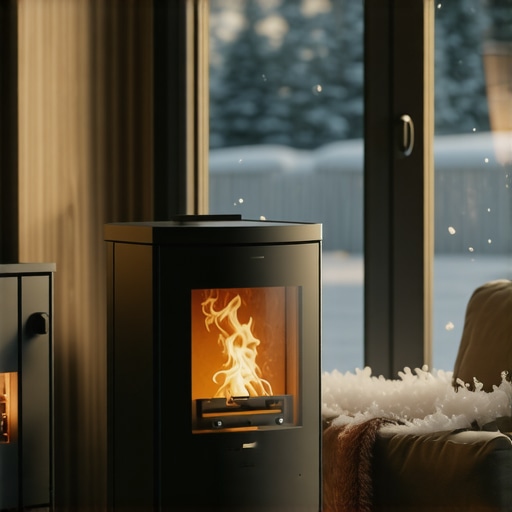
I remember that chilly evening last winter—my furnace suddenly sputtered and then went silent. Cold air seeped in, and I felt a panic I hadn’t anticipated. It was a wake-up call that made me realize how unprepared I was for winter’s worst, and I bet many of you have faced similar moments of helplessness when your home heating fails just when you need it most. That experience sparked my passion for mastering reliable heating solutions, and now, I want to share what I’ve learned to help you stay warm without the last-minute scramble.
Why Reliable Heating Matters More Than Ever in 2024
As winter approaches, ensuring your heating system functions flawlessly isn’t just about comfort—it’s about safety, energy efficiency, and peace of mind. With colder temperatures expected this year, a dependable heating setup can make all the difference. According to the U.S. Department of Energy, proper heating maintenance can reduce energy costs by up to 15%, saving you money while keeping your family warm. Yet, many homeowners overlook essential tips until a breakdown happens, which can be both stressful and expensive. My own early mistake? Ignoring regular furnace check-ups and neglecting minor repairs that snowballed into costly replacements. I learned the hard way that proactive maintenance truly pays off, and I’m here to guide you through practical steps to avoid those pitfalls.
What If Your Heating System Lets You Down When It’s Coldest?
This fear isn’t unfounded. A malfunction during Arctic blasts can leave your home dangerously cold, especially if you’re relying on an outdated or neglected system. The key lies in understanding what makes a heating system reliable and how to keep it performing at its best. If you’ve ever felt that sinking feeling when your heater sputters on a cold night, then you know the importance of regular service. For detailed strategies on keeping your furnace in top shape, visit our trusted guide on furnace repair tips for 2024. Trust me, being prepared is better than facing the cold unarmed.
Now that we’ve set the scene, let’s dive into the practical tips that will keep your home warm and your mind at ease throughout this winter. Ready to learn how to prevent your heating system issues before they start? Great! Because that’s the best strategy for a cozy, winter-proof home.
Start with a Thorough Inspection
Before winter hits, I personally climbed into my attic to check the furnace’s filter and electrical connections. I replaced a clogged filter that was causing the system to strain. Think of your heating system like a car; regular inspections ensure it runs smoothly during the coldest months. Remove access panels, inspect for rust, and look for loose wiring. Remember, a little effort now prevents costly repairs later.
Schedule Professional Maintenance
Once I noticed minor rust, I called a trusted HVAC technician to perform a comprehensive tune-up. They lubricated moving parts, tested the thermostat, and checked for refrigerant leaks. This is like giving your system a blood test—spotting issues early saves you from emergencies. For reliable results, find an expert through trusted sources and book your maintenance early in fall.
Replace or Repair Components Promptly
I learned that a faulty thermostat led to inconsistent heating. Replacing it improved system reliability instantly. When you notice odd noises, short cycling, or uneven warmth, address these issues immediately. Think of components like the lungs of your system; healthy parts keep the whole unit functioning. Don’t wait for a failure—act quickly to replace worn-out parts, following guidelines from furnace repair tips for 2024.
Upgrade to Energy-Efficient Equipment
During a recent upgrade, I installed a modern mini-split system. This not only improved comfort but reduced energy bills significantly. Mini-split systems are like having a personal climate worker—tailoring comfort room-by-room. For guidance on installation strategies, see the expert advice at mini-split installation strategies. Choosing the right system enhances reliability and efficiency.
Implement Preventative Maintenance Routines
I set a reminder to clean my filters quarterly and to schedule semi-annual professional checks. Regular upkeep is akin to brushing your teeth—avoid plaque build-up that leads to decay. Keep a maintenance checklist and stick to it, ensuring your system receives consistent care. For detailed routines, review the tips at reliable heating service tips.
Enhance Fall and Spring Preparedness
As seasons change, I cover the outdoor unit and clean the vents. Seasonal preparations prevent issues caused by debris and weather changes. Think of this like dressing appropriately—protect your investment from the elements. Regularly inspect and clear outdoor components, and verify insulation to keep warmth in and cold out.
Many homeowners believe that choosing the cheapest HVAC contractor or quickly installing a mini-split system guarantees savings and comfort. However, these assumptions often lead to subpar performance and costly repairs down the line. One of the most pervasive myths is that all installation services are the same—when in reality, quality, expertise, and attention to detail make a significant difference. For instance, improper mini-split installation can result in energy wastage and uneven cooling, despite promotional claims of efficiency. To avoid this, consult trusted sources like professional HVAC guides for reliable installation practices. Additionally, many think that regular furnace repairs only involve replacing parts; but neglecting the importance of precise diagnostics can mask underlying issues that escalate into emergencies, as highlighted in expert repair tips.
A common oversight is ignoring the nuanced technical differences between systems—like the importance of correctly sizing your heat pump or furnace. Oversizing leads to short cycling, increased energy use, and accelerated wear, while undersizing results in inadequate heating. As advanced as smart thermostats and energy ratings are, they can’t compensate for improperly selected equipment. A detailed load calculation, explained in mini-split installation strategies, ensures the system matches your home’s unique needs.
What most people get wrong about HVAC repairs is assuming that every technician has equal expertise. This misconception can lead to incomplete repairs or misdiagnosed issues. For example, a quick thermostat fix without addressing underlying duct leaks can create ongoing inefficiencies. The importance of choosing seasoned professionals is emphasized in expert advice.
Lastly, beware of the trap of over-reliance on energy-saving features without proper system tuning. Many believe that activating high-efficiency modes alone will lower bills—yet, if the system isn’t correctly maintained or installed, those features won’t reach their full potential. System tuning and balancing, as discussed in HVAC optimization guides, can make a tangible difference.
Have you ever fallen into this trap? Let me know in the comments. Mastering the nuances of HVAC installation and maintenance ultimately ensures your home remains warm, efficient, and trouble-free.
Tools I Recommend for Reliable Heating
One of my go-to tools is a digital multimeter, like the Fluke 117. It’s crucial for testing electrical connections and ensuring your furnace or mini-split components are functioning properly. I personally use it to verify voltage levels after performing basic repairs, which helps prevent potential electrical issues down the line. Another essential device is a refrigerant leak detector—such as the Rei-LeakChecker. It’s invaluable for identifying leaks that could compromise your system’s efficiency. Regularly using this detector during maintenance helps catch problems early, saving money and avoiding system breakdowns.
For routine cleaning and filter checks, I rely on a high-quality vacuum with a brush attachment. Keeping filters clean ensures optimal airflow, which directly impacts energy efficiency and lifespan. An ultrasonic ultrasonic cleaner is also a game-changer for cleaning small parts like thermostats or valves, ensuring they operate without obstruction. Personally, I find these tools indispensable, especially during seasonal tune-ups, or when diagnosing unpredictable system behavior. As I improve my toolbox, I stay ahead of potential issues and maintain peak performance.
Future of Heating Maintenance Technology
The trend in HVAC maintenance is shifting towards smart diagnostic tools integrated with IoT technology. Imagine systems that automatically alert you to developing problems before they escalate, through your smartphone or smart home hub. For example, smart thermostats with predictive analytics can inform you when filters need changing or components require attention, based on usage patterns and sensor data. Embracing these advancements means investing in equipment like the Google Nest Learning Thermostat or Ecobee SmartThermostats, which seamlessly sync with diagnostic apps. As these technologies evolve, maintenance will become more proactive, reducing emergency repairs and enhancing energy efficiency.
How do I keep my heating system running smoothly over time?
Regularly scheduling professional inspections combined with DIY checks is the best way to ensure longevity. For instance, following routine maintenance routines discussed in our expert furnace tips can prevent small issues from becoming costly repairs. Also, documenting system performance and repair history helps identify recurring problems early. Consider integrating smart monitoring devices, which can provide ongoing insights without much manual effort. These proactive strategies ensure your heating remains reliable, especially during those coldest months. As noted by HVAC specialists in technical documentation, ‘preventive maintenance extends system lifespan and optimizes efficiency’ (HVAC Systems Design Manual, 2022). Why not try installing a smart thermostat or leak detector next season? It’s a small step that promises long-term savings and comfort.
What I Wish I Knew Before Rushing into Repairs
The biggest lesson I learned was patience. Instead of immediately replacing parts, I started paying close attention to troubleshooting the root cause. This shift saved me time and money. Another insight was understanding the true value of professional help—initially hesitant, I found that expert maintenance often uncovers hidden issues I’d miss. Lastly, embracing new technologies like smart thermostats transformed my approach, turning my heating system into a proactive partner rather than a reactive one.
Tools That Made a Difference in My Heating Journey
One tool I rely on is a reliable digital multimeter, which gave me clarity on electrical issues without guesswork. The refrigerant leak detector proved invaluable for mini-split systems, helping me identify problems early before they worsened. I also recommend a good inspection mirror and flashlight—simple, yet effective for checking hard-to-see components. These tools empowered me to perform DIY maintenance confidently, supplemented always by trusted resources like professional repair tips.
Moving Forward with Confidence and Comfort
If you’re tired of last-minute cold surprises, I encourage you to start small but think big—regular maintenance, learning about your system, and leveraging smart tech. Each step elevates your home’s reliability, giving you peace of mind during winter’s chill. Remember, the journey to a warm home isn’t just about fixing appliances; it’s about becoming an informed, proactive homeowner. So, why not take that first step today? Your future self will thank you for it.