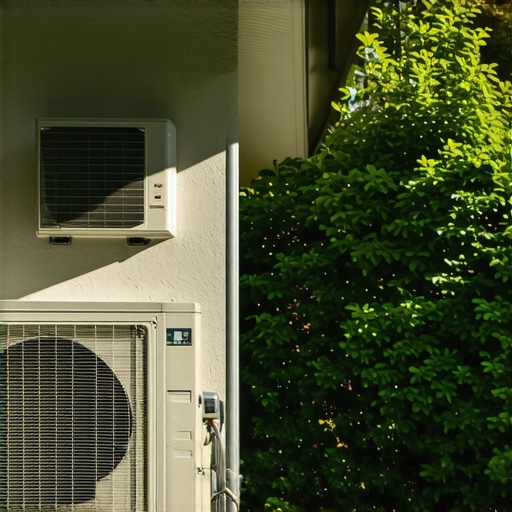
Last summer, I found myself tossing and turning in a sweltering bedroom, wishing I had invested in a smarter cooling solution. It hit me then—relying on an aging window unit was a gamble, and the idea of another heatwave catching me off guard was unsettling. That moment became my lightbulb: your home deserves more than just a basic AC; it needs reliable, efficient cooling that keeps you comfortable no matter what the weather throws at us.
Why Reliable Cooling Systems Matter More Than Ever
In 2024, climate change has made extreme heat more common, and our homes need to be ready. Outdated units struggle to keep up, leading to higher energy bills and inconsistent comfort. After some research, I discovered that upgrading to a top-tier mini-split system or a professional AC installation can make all the difference. Not only do these systems provide precise temperature control, but they also operate more efficiently, saving you money long-term. If you’ve faced nights sweating through your sheets or mornings waking up in a fog of humidity, then you know this isn’t just about comfort—it’s about health, productivity, and peace of mind.
Are Mini-Split Systems Actually Worth the Hype?
When I first heard about mini-split systems, I was skeptical. I thought, “Will it really be better than my old window unit?” Turns out, I made a common mistake early on—underestimating how crucial proper installation is. A poorly installed system can underperform and waste energy, defeating its purpose. I learned that choosing a trusted expert for mini-split installation is key to unlocking its full benefits. From my experience, a well-installed system is a game-changer, providing consistent cooling and quiet operation. So, if you’re on the fence, know that investing in quality installation is as important as selecting the right system itself.
In the sections ahead, I’ll guide you through the practical steps to upgrade your home’s cooling setup, ensuring you stay cool, comfortable, and energy-efficient in 2024. Ready to ditch the heatwave misery? Let’s dive in!
Assess Your Home and Pick the Right System
Start by evaluating your home’s cooling needs and layout. Measure the rooms you want to cool, noting their size and insulation quality. This helps determine whether a single mini-split or multiple units are necessary. I once underestimated my living room’s heat load, leading to an underpowered system that struggled during a heatwave. After re-measuring and consulting a trusted expert, I chose a system with slightly higher capacity, which kept my space consistently cool. For guidance on choosing the best mini-split solutions, visit this resource.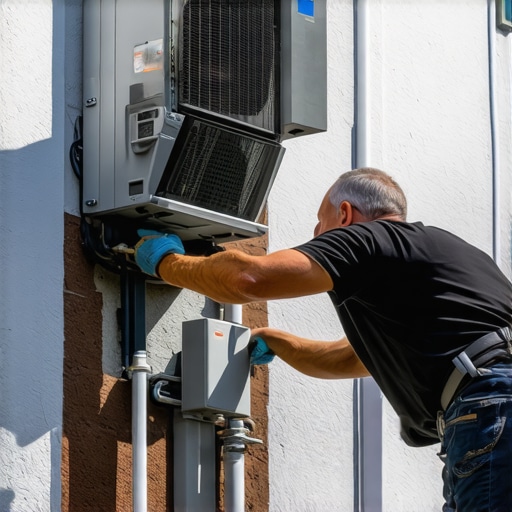
Prepare Your Space for Installation
Clear the area where the indoor and outdoor units will be installed. Ensure there’s enough space for airflow and easy access for maintenance. I cleared my living room corner and made sure the wall was sturdy enough for mounting the indoor unit. For outdoor units, pick a shaded, well-ventilated spot away from obstructions. Proper preparation minimizes installation issues and maximizes efficiency. If you’re unsure about space requirements, check this guide for detailed setup tips.
Hire a Certified HVAC Technician
Never attempt DIY mini-split installation; professional expertise ensures safety, code compliance, and optimal performance. I contacted a trusted HVAC pro who specializes in mini-split installation. During the process, I observed how meticulous their work was—measuring, leveling, and securely mounting units. A well-installed system operates quietly and efficiently, saving energy in the long run. For tips on selecting reliable technicians, see this resource.
Ensure Proper Refrigerant and Electrical Setup
The technician will connect refrigerant lines and electrical wiring correctly. This step is crucial for system efficiency and longevity. In my case, the pros checked for leaks and ensured the wiring matched my home’s power supply. Incorrect refrigerant levels or wiring can cause poor cooling or system failure. To understand what to expect during installation, review this guide.
Test and Fine-Tune Your New System
After installation, the technician will test the system’s operation. Make sure the indoor unit blows cool air uniformly, and the outdoor condenser runs smoothly. I watched them adjust the settings and checked the remote control for responsiveness. Proper calibration ensures energy efficiency and maximum comfort. For tips on optimizing your system, see this article.
Many homeowners jump into upgrading their cooling systems with enthusiasm, believing that choosing the latest mini-split technology alone guarantees comfort and efficiency. However, there are common misconceptions and advanced pitfalls that can sabotage your investment. Let’s dig deeper into what most people get wrong about mini-split system installation and how to sidestep these errors to ensure your home stays cool and cost-effective.
Why the installation process is more critical than the system itself
It’s tempting to focus solely on selecting the right model, but the reality is that a top-tier mini-split can underperform or become inefficient if installed improperly. Many assume that a professional installation is a formality, but in truth, poor placement of indoor units, inadequate sealing of refrigerant lines, or incorrect electrical wiring can cause long-term issues. I learned this the hard way when my system struggled to cool during peak heat because the technician didn’t account for airflow obstructions or proper insulation around the line set. Remember, the devil is in the details—so always hire a certified HVAC technician with proven experience. For expert guidance, check out trusted professionals.
Common myths that could cost you big
One widespread myth is that bigger or more powerful units are always better. In reality, oversizing a mini-split can lead to short cycling, increased wear and tear, and higher energy bills. Conversely, undersized units will struggle to maintain comfort, especially during heatwaves. Additionally, many believe that placement doesn’t matter—yet, positioning indoor units near heat sources or in poorly ventilated spots drastically reduces efficiency. An advanced mistake is neglecting the importance of proper refrigerant charge. Too little or too much refrigerant can impair cooling capacity and damage components over time. According to HVAC experts, precise refrigerant calibration during installation is essential for system longevity and optimal performance. For detailed tips, visit this resource.
How to future-proof your cooling setup
In the quest for reliable cooling, many overlook the significance of system zoning and smart controls. Integrating your mini-split with home automation or zoning solutions allows for tailored comfort and energy savings. Also, don’t ignore the importance of regular maintenance—clean filters, check refrigerant levels, and schedule annual inspections. An advanced mistake is assuming the system will run flawlessly forever; all mechanical systems require care to prevent unexpected failures. To ensure your investment lasts, explore trusted maintenance tips. Remember, the most sophisticated mini-split system can underperform if neglected or installed without attention to detail.
Have you ever fallen into this trap? Let me know in the comments below. By understanding these nuances, you can avoid costly mistakes and enjoy a cool, comfortable home all summer long.
Keeping It Working Smoothly with the Right Tools
Maintaining your cooling system over time requires more than just occasional cleaning; it demands the right tools to diagnose, tune, and troubleshoot. Personally, I rely on a high-quality digital multimeter like the Fluke 115, which allows me to quickly check electrical connections and ensure the voltage and current are within specifications. This helps prevent costly failures and prolongs the lifespan of my system. For refrigerant level checks, I use a specialized gauge set designed for mini-split systems, ensuring the refrigerant charge remains optimal, as improper levels can reduce efficiency and increase wear. Remember, always consult your system’s manual or a professional before attempting to adjust refrigerant levels—mistakes can be costly.
In addition, a reliable infrared thermometer is invaluable for quickly assessing temperature differences across vents and outdoor units. I swear by the Fluke 62 MAX+, which is rugged, accurate, and easy to use even in harsh conditions. Regularly monitoring temperatures helps catch problems early, such as refrigerant leaks or airflow obstructions, before they escalate into major repairs.
Tools I Recommend for Ongoing Maintenance
Beyond diagnostic devices, I also recommend investing in quality cleaning supplies. A compressed air blower helps clear dust from indoor vents and outdoor coils, improving airflow and heat exchange. For deep cleaning, I use a coil cleaning foam, which dissolves grime without damaging delicate fins. Proper airflow is critical, as clogged filters or dirty coils can cause your system to overwork, leading to breakdowns.
To ensure your system remains in top shape, I also schedule seasonal tune-ups with a trusted HVAC technician. They use professional-grade tools like vacuum pumps and leak detectors, which are essential for thorough service. Regular professional inspections can reveal hidden issues—like worn compressor components or electrical problems—that DIY checks might miss.
How do I maintain my cooling system over time?
Consistent, proactive maintenance is key. Set a schedule to replace or clean filters monthly, especially during peak season. Keep the outdoor unit free of debris and ensure surrounding vegetation doesn’t obstruct airflow. I also make it a point to check refrigerant levels annually, or more often if I notice performance dips. Using the right tools makes this process easier and more accurate, helping extend the life of your system and keep cooling costs low.
Looking ahead, the trend is moving toward smarter, more integrated HVAC systems that self-diagnose issues and adapt to usage patterns. Investing in these technologies now can save time and money in the future. So, I encourage you to try out a combination of diagnostic tools and routine maintenance practices—your home will thank you for it. For detailed guidance on professional maintenance strategies, visit this trusted resource.
The Hardest Lesson I Learned About Cooling Systems
One of my biggest mistakes was underestimating the importance of proper installation. I thought picking a high-quality mini-split was enough, but I overlooked how critical expert setup is. This mistake cost me energy efficiency and comfort until I finally hired a trusted technician who knew exactly how to position the units and calibrate refrigerant levels. Trust me, your investment in a good system isn’t complete without professional installation. For guidance on choosing experienced installers, visit this resource.
Three Myths About Mini-Split Systems That Held Me Back
The biggest myth I encountered was that bigger units always mean better cooling. In reality, oversized systems short cycle and wear out faster. I also believed placement didn’t matter, but positioning units near heat sources or in poorly ventilated spots reduced efficiency. Lastly, I thought refrigerant adjustment was unnecessary after installation, but incorrect levels can impair performance and damage the system. Learning these truths helped me optimize my setup and get the most from my mini-split. You can explore more about effective installation at this guide.
What Experts Won’t Tell You About Future-Proofing Your Cooling Setup
I realized that integrating smart controls and zoning isn’t just a luxury but a necessity for long-term comfort. Regular maintenance, like filter cleaning and refrigerant checks, is crucial to prevent costly breakdowns. I used diagnostic tools like a digital multimeter and infrared thermometer to monitor my system’s health, which saved me from unexpected failures. Investing in these tools and routine upkeep can extend your system’s lifespan and keep your home comfortably cool. For professional maintenance tips, see this trusted resource.
Reading this post really resonated with my experience last summer. Sweltering nights made me realize that my old window unit was no longer enough, especially with the increasing frequency of heatwaves. Upgrading to a mini-split system has been a game-changer—much more efficient and quiet, and I love how precisely I can控制 the temperature. The key for me was choosing a trusted HVAC professional for installation; I initially tried a DIY approach, but it led to inconsistent cooling and higher energy bills. Has anyone else run into issues with improper installation affecting system performance? I think the nuances of placement and refrigerant charging are often overlooked but make a huge difference. Would love to hear about others’ experiences or recommendations for ensuring a flawless install.
This post hits home for me because I went through a similar experience last summer. My old window AC just wasn’t cutting it during those extended heatwaves, and I was worried about rising energy costs. Upgrading to a mini-split was definitely a smart move, especially once I realized how much proper installation matters. I hired a trusted HVAC tech, and the difference in cooling efficiency and noise levels was night and day. I also learned that indoor placement plays a big role—placing units near heat sources like windows or in poorly ventilated spots really hampers their performance.
One thing I’ve wondered about is how often to tune-up mini-split systems to maintain peak energy efficiency without overspending on maintenance? Does anyone have recommendations on cost-effective upkeep routines that really make a difference? It’s clear that regular checkups and keeping filters clean are vital, but I’d love to hear about beyond the basics. Also, does anyone use smart controls to further optimize their home’s climate? I’m considering adding some zoning features for better comfort and savings. Looking forward to hearing your insights!