The Sound of a Dying Summer: That Ominous Hum
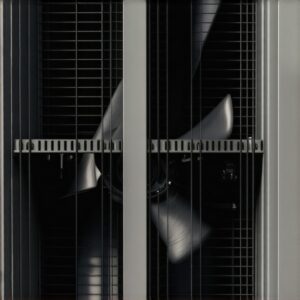
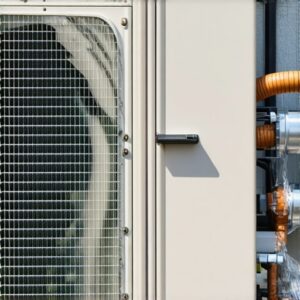
You hear it before you feel the heat. It’s a low-frequency 60-hertz groan coming from the side of your house—a mechanical protest that signals your air conditioner is trying to move but can’t. For over thirty years, I’ve walked onto properties in the middle of a 115°F Nevada heatwave where the homeowner is staring at their outdoor unit like it’s a ticking bomb. They think the compressor is dead. They think they’re looking at a $10,000 AC installation bill. Most of the time, they’re just looking at a $20 silver cylinder that’s given up the ghost. This is the reality of the startup capacitor, the most misunderstood, frequently replaced, and often lied-about component in your entire HVAC system.
The Forensic Diagnosis: Why Your Unit is Stuck
Let’s talk about the physics of torque. Your compressor is a massive pump designed to move juice (refrigerant) through the lines. When it tries to start against the high head pressure of a desert afternoon, it needs a massive electrical shove. Single-phase residential power isn’t enough to get that heavy rotor spinning from a dead stop. That’s where the capacitor comes in. It’s essentially a temporary battery that stores energy and releases it in a burst, creating a phase shift in the electrical current. This phase shift creates the necessary torque to kickstart the motor. When that capacitor fails, the compressor tries to start, fails, and just sits there humming until the internal thermal overload switch trips to prevent it from melting itself into a lump of scrap metal.
‘Proper electrical component sizing and maintenance are critical to ensuring the longevity of hermetic compressors in high-ambient environments.’ – ASHRAE Standards, Handbook of HVAC Systems
In my three decades in the field, I’ve seen plenty of furnace repair calls turn into AC post-mortems because the homeowner ignored that humming sound for three days. By the time I get there, the compressor windings have been cooked by the heat. If you hear that hum, turn the thermostat to ‘Off’ immediately. You might save yourself the cost of a full heating service overhaul or a new mini-split setup later.
The Narrative: The $15,000 Lie
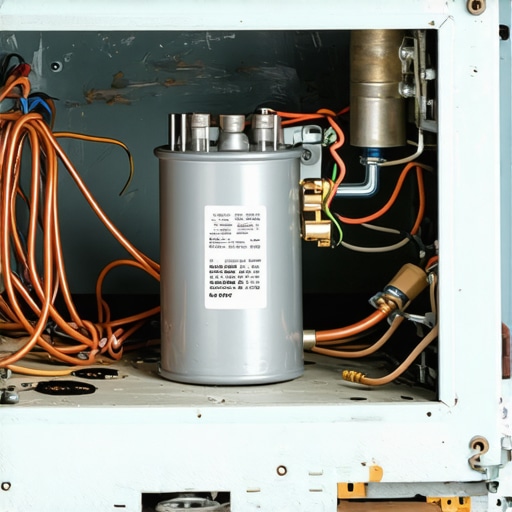
I remember following a ‘Sales Tech’ from a big-box franchise out to a ranch in the outskirts of Henderson last July. The homeowner, a retired schoolteacher, was in tears because this kid told her the ‘sealed system had a catastrophic internal failure’ and she needed a total AC installation. He didn’t even take the service panel off; he just listened to the hum and started writing a quote. When I arrived for a second opinion, I found the dual-run capacitor looking like a bloated soda can. It was bulged at the top—a classic sign of internal pressure release. I swapped it for a fresh American-made 45/5 MFD capacitor, scrubbed the suction line clean, and the unit fired up with a beautiful, steady purr. Total cost? Under $200. The look of relief on her face is why I still carry my tool bag, even if my knees scream every time I climb a ladder. I despise ‘Sales Techs’ who treat a multimeter like a prop instead of a diagnostic tool.
[image_placeholder_1]
Thermodynamic Zooming: The Heat Factor
In the Southwest, heat is the ultimate predator. When the ambient temperature hits triple digits, your outdoor unit is effectively an oven. The oil inside the compressor thins out, and the electrical resistance in the copper windings increases. The capacitor is tucked inside a metal control box that can reach 140°F. Over time, the electrolyte inside the capacitor dries out or boils. This is why we see more capacitor failures in Phoenix and Vegas than anywhere else. It’s also why I always recommend a ‘Hard Start Kit’ for older units. It’s an extra capacitor and a potential relay that gives the compressor an even bigger kick. Think of it like a shot of adrenaline for a tired heart. It reduces the ‘inrush current,’ meaning your lights won’t flicker as much when the AC kicks on, and it keeps the compressor from straining under the load.
The Anatomy of the Capacitor
A dual-run capacitor has three terminals: ‘Herm’ (for the compressor), ‘Fan’ (for the outdoor fan motor), and ‘C’ (Common). If the ‘Fan’ side dies, your fan won’t spin, and the unit will overheat. If the ‘Herm’ side dies, you get the hum. Sometimes both fail. I always tell the tin knockers and the sparky on the job site: ‘You can’t cool what you can’t touch!’ This applies to the electrical flow too. If the contactor points are pitted and the capacitor is weak, the electricity can’t ‘touch’ the motor windings with enough force to do the work. It’s simple physics, not magic.
‘The most expensive equipment in the world cannot overcome a bad duct system or poor electrical maintenance.’ – Industry Axiom
The Math: Repair vs. Replace
If your unit is 15 years old and still using R-22 (the old gas), a blown capacitor is a blessing because it’s a cheap fix. But if I find a grounded compressor or a leak in the evaporator coil that’s turned the suction line into an acidic mess, it’s time to talk about a new AC installation. With the R-410A phase-out and the move to A2L refrigerants in 2025, prices are only going up. But don’t let a technician talk you into a $12,000 system because of a $20 part. If they don’t show you the microfarad reading on their meter, show them the door.
Preventive Maintenance: The Anti-Scam
How do you avoid the 2 PM Sunday breakdown? Wash your coils. If the condenser coil is packed with dust and dog hair, the head pressure goes up, the heat increases, and the capacitor cooks. It’s that simple. A bucket of water and a gentle hose-down (no pressure washers, or you’ll flatten the fins) can save you a heating service call in the winter and an AC disaster in the summer. Also, check your pookie (mastic) around the plenum. If you’re losing air at the furnace, your unit has to run longer, which shortens the life of every electrical component in the box.