The Sound of a Dying Flame
You’re lying in bed at 2 AM, the wind is howling outside like a pack of wolves, and suddenly you notice it: the silence. That rhythmic hum of your furnace has vanished, replaced by the chilling realization that the house is getting colder. You trudge down to the basement, pop the panel, and there it is—or rather, there it isn’t. The pilot light is out. Again. You think it’s just the wind, but as a guy who’s spent 30 years in the trade, I’m telling you: wind is just the messenger. The real problem is physics, and likely a ‘Tin Knocker’ who cut corners twenty years ago.
The Physics Lesson: Why Airflow is King
My old mentor, a grizzled tech named Sully who could diagnose a bad inducer motor just by the vibration on the floorboards, used to scream at me, ‘You can’t cool what you can’t touch, and you can’t burn what you can’t vent!’ He was right. People think a furnace is just a box that makes fire. It’s actually a sophisticated pressure vessel. When high-velocity wind moves across the top of your chimney or vent pipe, it creates what we call the Bernoulli Effect—a low-pressure zone that can literally suck the pilot flame right off the burner or, conversely, create a downdraft that snuffs it out like a birthday candle.
“The venting system must be designed to create a continuous path for flue gases to the outdoors while maintaining combustion stability under varying atmospheric conditions.” – ANSI Z21.47 Central Furnace Standard
In the North, where the polar vortex turns your backyard into a frozen wasteland, this pressure differential is a killer. If your venting isn’t terminated correctly—maybe it’s too short or too close to a roof peak—the wind creates a turbulence zone. This is why heating service isn’t just about changing filters; it’s about checking the geometry of your flue. If that ‘Tin Knocker’ (duct guy) didn’t follow the 2-10 rule (2 feet higher than anything within 10 feet), you’re going to have a bad time every time a storm rolls through.
[IMAGE_PLACEHOLDER]
The Mechanical Anatomy: Why the Flame Won’t Stay
When you call for a furnace repair because of a pilot issue, a ‘Sales Tech’ will immediately try to sell you a $12,000 high-efficiency modulating unit. They’ll tell you your heat exchanger is ‘probably’ cracked. I hate those guys. Before you sign a mortgage-sized check, let’s look at the anatomy. The heart of your standing pilot is the thermocouple. It’s a simple device: two dissimilar metals that, when heated, produce a tiny electrical charge—about 25 to 30 millivolts. That ‘juice’ is what holds the gas valve open. If the wind is blowing so hard it pushes the flame away from the thermocouple tip for even a few seconds, the millivolts drop, the valve clicks shut, and you’re out of luck.
But here’s the veteran secret: sometimes the pilot orifice is just dirty. A tiny piece of dust or ‘Pookie’ (mastic) residue can make that flame weak and lazy. A lazy flame doesn’t wrap around the thermocouple properly. When the wind hits, that weak flame dances away, and the system fails. A real tech will pull that orifice and clean it with a wire thinner than a cat’s whisker before they ever talk about replacement.
Thermodynamic Zooming: Latent Heat and Venting
We need to talk about the draft hood. On an older atmospheric furnace, there’s a gap where the furnace connects to the flue. This is designed to let house air mix with the exhaust to ensure a steady draft. However, in high winds, this draft hood becomes a liability. If the wind creates a high-pressure zone at the chimney cap, it pushes air back down the pipe. This ‘downdraft’ doesn’t just blow out the pilot; it can push carbon monoxide into your living space. This is why we check for ‘scorch marks’ on the cabinet. If I see soot or heat damage near the burner opening, I know that wind isn’t just a nuisance; it’s a safety hazard.
“Improperly sized vents or blocked flues can lead to incomplete combustion and the accumulation of hazardous gases.” – NFPA 54: National Fuel Gas Code
The Diagnosis: Repair vs. Replace
So, when is it time to give up on the old beast? If your furnace is 20 years old and the pilot keeps dying, you have a few options. You could install a power venter or a specialized high-wind cap, which looks like a little stainless steel mushroom on your roof. This helps stabilize the pressure. Or, you look at a modern AC installation that includes a high-efficiency furnace with a sealed combustion chamber. These units don’t have a standing pilot; they use hot surface igniters or spark ignition, and they pull their air from a PVC pipe, making them nearly immune to wind. If you’re tired of the basement trek, maybe a mini-split heat pump is the supplemental answer for those drafty rooms.
The Maintenance Scam vs. The Reality
Most ‘tune-ups’ are a joke. They’ll wipe the dust off the cabinet and call it a day. A real heating service involves checking the gas pressure with a manometer. If your gas pressure is too low, your pilot is naturally weak. I’ve followed behind ‘Sparkies’ (electricians) who tried to fix furnaces by replacing thermostats, when the whole time the gas regulator was just freezing up in the cold. You need someone who understands the fluid dynamics of gas and the thermodynamics of heat transfer.
Conclusion: Comfort is Physics
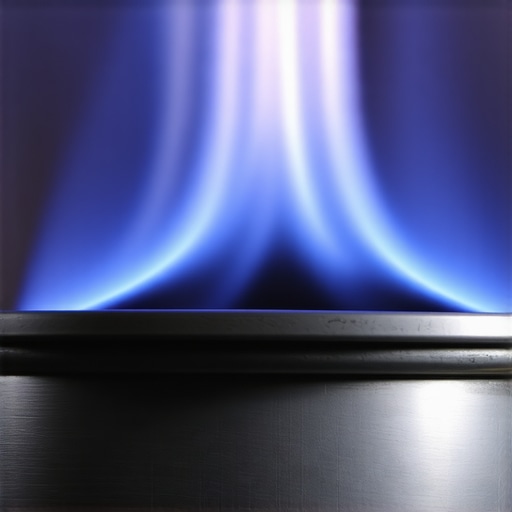
If your pilot light is out, don’t just relight it and pray. Check the cap. Check the flame color (it should be a crisp blue, not a lazy yellow). And for heaven’s sake, if a tech doesn’t pull out a multimeter to check those millivolts, kick them out of your house. Your comfort isn’t magic; it’s a balance of pressure, temperature, and airflow. Keep the wind out of your flue, and you’ll keep the heat in your home. “