The Myth of the Quick Fix and the Crucial Law of Airflow
I followed a so-called “Sales Tech” last autumn who quoted a young couple $18,500 for a complete, ductless multi-split system to solve a “dead zone” in their newly renovated third-floor loft. He told them their existing heat pump was totally shot and they needed a five-zone monster to survive the winter. I went up there with my ladder, popped the casing on their single existing wall head, and found a blower wheel so choked with pet dander and greasy dust that it was basically spinning flat. Thirty minutes of deep cleaning with a coil gun and a shop vac, and the air was screaming out at a perfect fifty-five degrees. That “Sales Tech” wanted a fat commission; I wanted the system to breathe. You see, a unit can only cool or heat what it can actually touch. When you are dealing with ductless technology, matching the physical layout of your home to the correct thermodynamic equipment is the difference between dry, clean comfort and a molding, short-cycling nightmare.
“The most expensive equipment in the world cannot overcome a bad duct system—or an improperly matched zonal layout.” – ACCA Manual SPS
The Physics of the Zone: Climate and Latent Heat
Before we look at the copper lines, we have to talk about the physical environment. In mixed, humid climates where you need a sharp heating service in January and brutal moisture removal in August, the way we calculate load changes entirely. We are dealing with two distinct forces: sensible heat (the actual temperature you read on a thermometer) and latent heat (the heavy, wet moisture suspended in the air). When a system is oversized because a technician threw too many heads into a multi-split setup, the compressor cranks up, satisfies the thermostat in ten minutes, and shuts down. The air temperature drops, but the moisture stays suspended. You end up with a cold, damp cave that smells like an old basement. This is where understanding the exact thermodynamic difference between a single-zone mini-split and a multi-split layout saves your comfort and your wallet during a new AC installation.
Understanding the Single-Zone Mini-Split: The Dedicated Workhorse
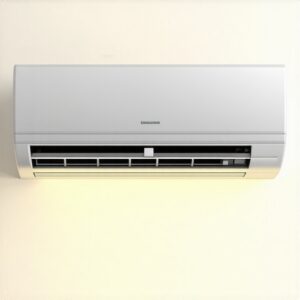
A single-zone mini-split consists of one outdoor condensing unit connected to one indoor air handler by a single set of copper lines. This is a direct, closed-loop relationship. Because the outdoor compressor is paired exclusively with one indoor head, it can modulate its inverter compressor down to its absolute lowest speed to maintain a perfect, steady temperature. If you have an isolated space—such as a new home addition, a converted garage, or a detached workshop—the single-zone is king. It is highly efficient because there are no complex refrigerant routing valves or balancing acts. The refrigerant flows directly to the evaporator coil, drops it below the dew point, sucks the latent heat out of that specific room, and dumps it outside. It does not have to share its cooling capacity or its heating capacity with any other room in the house.
The Multi-Split System: The Multi-Armed Balancing Act
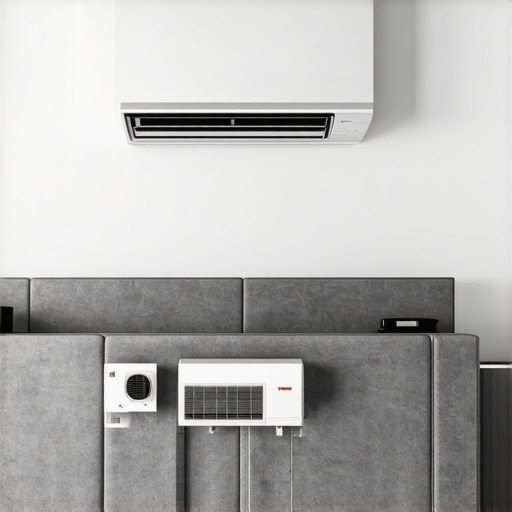
Now consider the multi-split. Here, you have one massive outdoor condenser connected to two, three, four, or even five indoor air handlers scattered throughout different rooms. This is where things get highly technical. Inside that single outdoor unit is an electronic expansion valve (EEV) assembly that acts like a traffic cop, routing the gas through separate copper lines to each room. While this keeps you from having a row of five outdoor units lining your home’s exterior, it introduces a major thermodynamic compromise. If only one indoor unit is calling for cooling in a small bedroom, the massive outdoor compressor can only ramp down so far. It has to send a minimum amount of refrigerant through those lines. Over time, this can lead to minor temperature swings or slight efficiency losses in that single room because the system is inherently built to run multiple heads simultaneously.
The Anatomy of Copper and Refrigerant
Let us look at how these systems are actually built in the field. When a tin knocker is not needed because there are no metal ducts, the responsibility falls squarely on the refrigeration tech. We run two copper lines—the liquid line and the suction line—along with a communication cable and a drain line through a three-inch hole in your wall. On a single-zone unit, those lines are short and direct. On a multi-split, we have to run hundreds of feet of copper through attics, crawlspaces, and joists. If the piping run is too long, you experience oil return failure. The oil that lubricates the compressor gets trapped in the far-off evaporator coils, leading to a dry compressor, a screeching bearing, and a very expensive compressor burnout that smells sour and acidic.
“Refrigerant piping length and vertical lift limitations must be strictly adhered to prevent compressor oil starvation and capacity loss.” – ASHRAE Fundamentals
Which Layout Fits Your Home? The Blueprint Guide
Choosing the correct layout is not about choosing a brand; it is about analyzing your home’s thermal boundaries. Here is how to break it down:
- The Open-Concept Ranch: If your home has a massive, open living area and kitchen, a single, high-capacity mini-split head placed strategically on the main wall can easily handle the entire space. Trying to put multiple small heads in an open area leads to units fighting each other, with one heating while another tries to cool because of localized draft currents.
- The Multi-Level Colonial: If you have separate, distinct bedrooms upstairs and a living space downstairs, a multi-split system is highly practical. It allows you to shut off the downstairs heads at night and focus all cooling or heating energy on the bedrooms, preventing the waste of energy on empty rooms.
- The Historic Home with Plaster Walls: For older homes where cutting into walls for ductwork would destroy the historical plaster, a multi-split system offers a way to get modern comfort without a massive furnace repair or heavy duct installation. You can mount slim, recessed ceiling cassettes or low-wall heads that blend into the architecture.
The Real Math: Installation Costs vs. Long-Term Reliability
Many homeowners assume that buying one multi-split condenser with four heads is cheaper than buying four separate single-zone systems. In reality, the price difference is often negligible, and sometimes single-zones are actually cheaper to install. Why? Because running long, complex linesets through finished walls requires hours of high-priced labor. If a leak develops in a multi-split lineset behind drywall, finding that tiny hiss of escaping gas requires specialized nitrogen pressure testing and wall demolition. If an outdoor board on a multi-split dies, all five indoor heads go dead at once, leaving your entire home without heat or air. If a single-zone unit fails, only that one room is affected while the rest of the house remains comfortable.
Proper Care and Avoiding the “Scam” Maintenance
Once your ductless system is installed, do not fall for the quick spray-and-go maintenance specials. These mini and multi-split systems run on incredibly tight tolerances. Because they do not have massive blowers, their small plastic fans clog easily. You need a deep cleaning that includes removing the outer plastic shroud, treating the aluminum coils with a self-rinsing, non-acidic cleaner, and cleaning the condensate pan to prevent slime blockages. If your system starts dripping water down your drywall, your drain line is backed up. Ensure your technician clears the drain line with high-pressure CO2 rather than just taping over the issue. A well-maintained ductless system will easily run for fifteen to twenty years, keeping your home perfectly zoned without a single foot of metal ductwork.