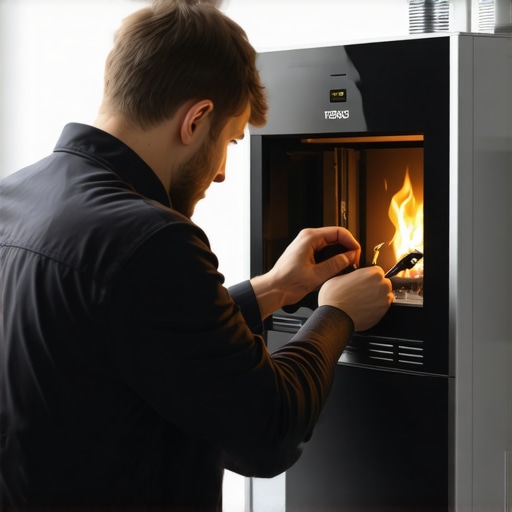
Ever experienced that sinking feeling when your furnace decides to give out just as the temperatures plummet? I remember one bitter winter night when our old heater suddenly stopped working. It was a wake-up call that made me realize how critical reliable heating is during the cold months. That night, I learned a hard lesson: neglecting proper furnace maintenance can leave you shivering and desperate for quick fixes. Since then, I’ve made it a priority to understand the ins and outs of furnace repair and maintenance, saving myself from many chilly surprises.
Why Proper Furnace Care Matters More Than Ever
When the winter chill sets in, a dependable furnace isn’t just a luxury — it’s a necessity. But many homeowners overlook essential maintenance until crisis strikes. According to the Department of Energy, a well-maintained furnace can improve efficiency by up to 30%, saving you money and avoiding costly repairs. Proper upkeep ensures your system runs smoothly, reduces energy bills, and extends its lifespan. Trust me, a little proactive care goes a long way in preventing those freezing nights and hefty repair bills. If you’ve faced the frustration of a suddenly failing heater, you’re not alone. That’s exactly why I want to share the most effective furnace repair tips that have helped me keep my home warm and cozy all winter long.
Is Furnace Repair Worth the Hassle or Just a Waste of Money?
Early on, I made the mistake of ignoring small issues, thinking they weren’t urgent. Big mistake. When I finally called in a professional, I learned that regular inspections and minor repairs could prevent major breakdowns. Sometimes, homeowners hesitate because they think repairs are expensive or unnecessary. But neglecting routine maintenance often results in higher costs down the road. An expert tip I found helpful is to schedule annual furnace check-ups to catch problems early — you can find some great advice on this here. Remember, a small investment in maintenance can save you from the heartbreak of a cold house and the expense of emergency repairs. Are you tired of unpredictable heating and rising energy bills? If so, then let’s dive into some practical tips for keeping your furnace reliable through the coldest months.
Inspect and Clean Your Furnace Regularly
Start by turning off your furnace and removing access panels to inspect the interior components. Use a soft brush or vacuum to clear dust and debris from the blower motor, fan blades, and filters. Replace any dirty filters, as clogged filters reduce airflow and efficiency. I once neglected this step and noticed my system struggling during a cold snap; after a thorough cleaning, my heater ran smoother and warmer. Regular inspections prevent dust buildup that can cause overheating or component failure.
Check Thermostat Settings and Calibration
Ensure your thermostat is functioning correctly by setting it higher than the current room temperature. If your home isn’t heating up, calibrate the thermostat or replace its batteries. I learned this the hard way when my thermostat was set incorrectly, causing a cold house despite the furnace working properly. Upgrading to a programmable thermostat can optimize heating schedules and save energy. For expert guidance, visit this resource.
Perform Safety Checks
Examine the pilot light or electronic ignition; a yellow or flickering flame may indicate problems. Check for gas leaks around the furnace and ensure ventilation pipes are clear of obstructions. If you smell gas, shut off the system immediately and call a professional. I once ignored a faint gas smell, which turned out to be a minor leak that was quickly fixed by a technician. Regular safety checks help prevent dangerous situations and ensure your furnace operates safely throughout winter.
Test and Replace Components as Needed
Test the limit switch, pressure switch, and other sensors for proper operation. If your system cycles on and off frequently, these parts might need replacement. Also, inspect belts and motors for wear and tear. When my furnace kept shutting down unexpectedly, replacing a faulty pressure switch solved the issue swiftly. Keep spare parts handy or consult a professional to identify worn components early. For comprehensive tips, see this guide.
Schedule Professional Maintenance Annually
An annual tune-up by a licensed technician is crucial. They will perform a thorough cleaning, calibrate controls, and check for hidden issues. I scheduled my first professional service last fall, and it significantly improved my system’s efficiency and reliability. Professionals can spot problems that are not obvious to homeowners, saving you money and preventing breakdowns. For trusted experts, explore this trusted resource.
Enhance Efficiency with Zone Heating or Mini-Splits
Consider installing zone heating systems or mini-split units to target heated areas and reduce energy waste. I added a mini-split in my living room, which allowed me to keep the rest of the house cooler and save on heating costs. These solutions are especially effective if parts of your home are poorly insulated. For installation tips, see this article.
Monitor System Performance During Cold Spells
Keep an eye on your furnace’s operation during peak cold weather. Listen for unusual noises, check for inconsistent heating, and verify that vents are unobstructed. If issues arise, address them promptly or call a professional. I once noticed my system making banging noises during a cold snap; a quick professional inspection revealed a loose belt, preventing further damage. Staying vigilant ensures your home remains warm and safe throughout winter.
Many homeowners operate under misconceptions about furnace repair, which can lead to costly mistakes. One prevalent myth is that all repairs are expensive and not worth the effort. The truth is, regular maintenance and addressing minor issues early can significantly extend your system’s lifespan and improve efficiency. For instance, scheduling annual check-ups with professionals not only prevents unexpected breakdowns but also saves money in the long run. You can find expert advice on this here.
Another common misconception is that DIY repairs are always enough. While some minor tasks like replacing filters can be done safely, complex issues such as gas leaks or electrical problems require professional intervention. Attempting to fix these yourself can be dangerous and may void your warranty. It’s crucial to recognize your limits and consult qualified technicians for intricate repairs.
Why do most people overlook the importance of regular inspections?
Many think that furnace inspections are unnecessary until a problem occurs. However, skipping routine check-ups often results in unnoticed wear and tear that can cause system failure during cold spells. Regular inspections can catch issues like worn belts, failing sensors, or dirty components before they escalate. This proactive approach ensures your furnace runs efficiently and safely. Learn more about the benefits of professional maintenance here.
Be wary of the trap of thinking that newer models don’t need maintenance. No matter the age, all furnaces benefit from consistent care. Even high-efficiency systems can develop problems if neglected. Remember, an ounce of prevention is worth a pound of cure, especially when it comes to staying warm during winter. Have you ever fallen into this trap? Let me know in the comments.
In summary, busting these myths can help you avoid unnecessary expenses and keep your home comfortably warm. Always prioritize professional inspections, don’t shy away from timely repairs, and stay informed about your system’s needs. Proper knowledge and proactive care are your best defenses against winter’s chill.
Master Your Furnace Upkeep: Tools I Trust
Keeping your furnace in top shape requires the right equipment. I personally rely on a high-quality multimeter to test electrical components accurately. When troubleshooting, I use a digital manometer to check gas pressure and airflow, ensuring optimal combustion and efficiency. A soft-bristled brush and a vacuum with a HEPA filter are indispensable for cleaning dust and debris from internal parts without causing damage. For filter replacements, I prefer using pleated filters that trap more dust and allergens, which I change every three months to maintain airflow and indoor air quality. Investing in these tools has saved me thousands in repair costs and extended my system’s lifespan.
Additionally, I recommend a reliable carbon monoxide detector installed near the furnace and sleeping areas. Safety should always come first, especially with gas-powered systems. Regular use of a combustion analyzer, which I rent for annual inspections, helps me verify that combustion gases are within safe limits, preventing dangerous leaks. For more advanced diagnostics, a thermal imaging camera can spot hot spots or failing components early. Stay proactive by having these tools ready; they empower you to identify issues before they escalate.
How do I maintain my furnace over time?
Consistent maintenance involves scheduling professional inspections at least once a year, ideally before the cold season begins. During these visits, technicians use specialized equipment like leak detectors and combustion analyzers to ensure everything runs safely and efficiently. Meanwhile, at home, I perform monthly visual inspections and filter changes, and I keep a record of system performance. This habit helps me recognize subtle changes that could indicate underlying problems, allowing for timely repairs. As technology advances, I predict more homeowners will adopt smart diagnostic tools integrated with their HVAC systems, providing real-time alerts and maintenance tips. To stay ahead, consider upgrading your system with smart thermostats and monitoring apps that track furnace health and energy consumption. Learn more about professional maintenance here.
Don’t wait for your system to fail—be proactive by using the right tools and techniques. I challenge you to try a digital manometer and a combustion analyzer this season. These investments will give you peace of mind and keep your home warm all winter long.
The Hardest Lesson I Learned About Furnace Repairs
One winter, I ignored a small squeal from my furnace, thinking it was just a minor noise. That oversight led to a complete breakdown during a cold snap. The lesson? Never dismiss early warning signs; they often save you from costly emergency repairs and freezing nights.
3 Myths About Furnace Care That Held Me Back
I used to believe that DIY fixes could handle most furnace problems. Turns out, complex issues like gas leaks or electrical failures need pros. Busting this myth early saved me from dangerous mistakes and expensive damage. Also, I thought regular maintenance was optional—big mistake that shortened my furnace’s lifespan.
What Experts Won’t Tell You About Furnace Longevity
Professionals often keep quiet about the cumulative value of small, routine checks. A simple annual inspection can catch issues before they escalate, extending your system’s life and saving money. My breakthrough was realizing that investing in quality tools and professional care is essential, not optional.
Where to Find Tools That Make a Difference
My essential toolkit includes a digital manometer for airflow and a reliable multimeter for electrical diagnostics. These tools help me troubleshoot with confidence and avoid unnecessary service calls. For safety, I also keep a carbon monoxide detector nearby, ensuring my family’s safety during system operation.
Embrace Your Role in Winter Comfort
Now, I take pride in maintaining my furnace proactively, knowing I can prevent surprises. Regular checks, timely repairs, and proper tools empower me to stay warm and safe. You can do the same—your winter peace of mind depends on it.
I really appreciate this comprehensive overview of furnace maintenance. I learned the hard way last winter when my heater failed during a cold snap, and since then, I’ve been more diligent about regular inspections and filter replacements. It’s true that neglecting these simple steps can lead to much bigger problems down the line. I especially found the advice about checking the thermostat calibration helpful—I used to assume it was fine, but now I realize that even small calibration issues can affect heating efficiency. Also, I’ve started investing in basic diagnostic tools like a multimeter and carbon monoxide detector, which give me peace of mind. Has anyone tried using a thermal imaging camera for the early detection of potential issues? I’ve read it’s quite effective, but wondering about cost and ease of use for a homeowner.
I really appreciated this detailed post on furnace maintenance. I’ve always believed that as long as the heater turns on, everything’s fine, but after experiencing a sudden breakdown during last winter’s cold snap, I realize how crucial regular maintenance is. A thing I’ve started doing is checking my venting pipes for blockages, especially before the heavy cold hits, because blockages can cause dangerous carbon monoxide buildup unnoticed. I wonder, have others found that installing a smart thermostat helps catch issues early? I’ve seen some models that can alert you to irregular system behavior or even monitor airflow and temperature remotely. It’s a handy way to stay proactive, especially if you’re not home all the time. What unusual signs have you all noticed that tipped you off to pending furnace trouble? Would love to hear more tips on early detection.
This post really hits home for me. I had a similar scare last winter when my furnace suddenly went out during a deep cold spell. Since then, I’ve started taking furnace maintenance much more seriously—changing filters more regularly, checking vents, and scheduling annual professional inspections. I agree that many homeowners overlook these small tasks until it’s too late. One thing I’ve found helpful is installing a smart thermostat that alerts me to temperature drops or irregular system behavior, which adds an extra layer of protection. I also use a basic multimeter for troubleshooting electrical issues myself, which saves time and money. Has anyone tried using thermal imaging cameras? I’ve heard they’re excellent for spotting hot spots or early signs of failure but wonder if they’re practical for a typical homeowner. What’s your experience with these tools? Overall, proactive maintenance really pays off in safety, comfort, and cost savings.
This post really nails the importance of regular furnace care, especially as winter approaches. I remember last year, I ignored some minor irregularities with my system until suddenly it wouldn’t start one freezing morning. That experience taught me to stay ahead of potential problems by scheduling routine inspections and replacing filters early. I’ve also invested in a good digital multimeter, which makes troubleshooting electrical issues much safer and more efficient. The mention of thermal imaging cameras caught my eye—has anyone here used one? I’ve seen them recommended for spotting hot spots and early wear, but I wonder if they’re worth the investment for a homeowner. Also, I’d love to hear how others are proactively monitoring their systems during cold spells. Do you rely on smart thermostats or other gadgets? Personally, I think combining regular maintenance with modern tech can really save us from cold nights and costly repairs down the line.