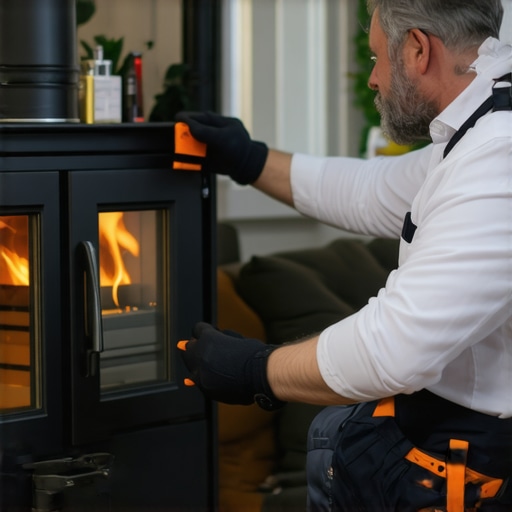
It was freezing outside, and I was counting on my heating to keep my family comfortable. But as the cold snap hit, I heard that dreaded clunk from the basement—my furnace had given out. The frustration of cold nights and the worry about costly emergency repairs hit me hard. That lightbulb moment made me realize: I needed to get ahead of the winter chill, not just react when it strikes.
Why Winter Heating Reliability Should Be Your Top Priority
Every homeowner knows the panic of a furnace failure when temperatures plummet. Trust me, after a few close calls, I learned that proactive maintenance and quick fixes are king. Ensuring your heating system runs smoothly isn’t just about comfort—it’s about safety and cost-saving. According to the U.S. Department of Energy, regular furnace maintenance can boost efficiency and prevent breakdowns, saving you hundreds annually here.
In this post, I’ll share proven furnace repair tips that have helped me—and countless others—stay warm and worry-free during the coldest months. Whether your system is acting up or you want to prevent future issues, these insights will help you prepare confidently for winter’s arrival. Ready to stop dreading those chilly nights? Let’s dive into what works, what doesn’t, and how to keep your home warm when it matters most.
Inspect and Clean Your Furnace Regularly
Begin by turning off your furnace and inspecting the filters. Dirty filters restrict airflow, causing your system to work harder and risk failure. I remember last winter, I found a clogged filter that was over a year old. Replacing it instantly improved performance, and I avoided an emergency service. Clean filters ensure efficient operation and prevent strain on your blower motor. Check vents and ducts for obstructions or debris that can hamper airflow, much like clearing a blocked airway helps breathing.
Test the Thermostat and System Settings
Ensure your thermostat is accurate by comparing it with a reliable thermometer. I once had a faulty thermostat reading 5°F lower than actual, causing my furnace to underheat. Recalibrating or replacing the thermostat restored proper temperature control. Set your system to ‘Heat’ mode and verify it turns on at the desired temperature. Proper system settings prevent unexpected outages and keep your space consistently warm.
Examine Components and Listen for Unusual Noises
Carefully listen during operation. Unusual banging or screeching can signal loose belts or worn bearings. Last season, a loose blower belt rattled loudly; tightening it stopped the noise and prevented further damage. If you’re comfortable, remove panels to inspect belts and pulleys. Otherwise, consider professional help. Regularly checking these parts acts as early detection, saving costly repairs down the line. Think of it as giving your furnace a check-up to catch issues before they escalate.
Check and Seal Ductwork for Leaks
Leaky ducts waste energy and reduce heating efficiency. Use a smoke pen or incense near seams to identify leaks—if smoke wavers, you have a problem. I sealed visible gaps with mastic and foil tape, which improved heat delivery. Sealing ducts is akin to patching holes in a boat; it keeps the warmth inside, ensuring your heating efforts are not lost outside. For complex duct systems, consulting an HVAC professional is wise, especially if you suspect extensive leaks.
Schedule a Professional Maintenance Service
Even with routine checks, annual professional tune-ups are invaluable. Experienced technicians can spot issues invisible to untrained eyes, like worn ignitors or inefficient heat exchangers. Last year, a pro cleaned and inspected my furnace, uncovering a cracked component that could have led to carbon monoxide leaks. Regular servicing extends your system’s lifespan and maintains safety, much like visiting a doctor for an annual health check. For expert guidance, see this detailed guide on furnace repair tips.
Consider Upgrading to a Mini-Split System
If your home struggles with uneven heating or high energy costs, installing a mini-split might be the answer. These ductless systems are like personalized climate controllers, providing zone-specific comfort. I installed one in my guest bedroom last winter, and the immediate difference was night and day. Plus, they’re energy-efficient, reducing your bills. For more on this, explore mini-split installation strategies. Think of mini-splits as adding a mini climate station to targeted areas—giving you control, comfort, and savings.Many homeowners believe that choosing a repair or installation service is simply a matter of price or convenience, but this is a common misconception that can lead to costly mistakes. In reality, the nuances of HVAC systems demand a deeper understanding—particularly when it comes to furnace repairs, AC installations, and mini-split systems. For instance, a prevalent myth is that bigger systems are always better; however, oversized units can cause short cycling, increased wear, and inefficiency, ultimately costing you more in repairs and energy bills. According to industry experts, proper sizing based on detailed load calculations is essential for optimal performance and longevityhere.
One trap many fall into is neglecting the importance of professional calibration and system balancing after installation. Skimping on this step can result in uneven heating or cooling and higher energy consumption. Advanced technicians know how to fine-tune systems, ensuring they operate at peak efficiency—this is especially critical for mini-split systems, which provide zone-specific comfort and require precise adjustments to perform wellhere.
A common misconception is that DIY repairs are reliable; in truth, attempting to fix complex components like heat exchangers or compressors without proper training can risk damaging the system or voiding warranties. Professionals leverage diagnostic tools and expertise—something you can’t replicate with a simple online guide. For example, an improperly charged refrigerant in an AC (a frequent DIY mistake) can lead to compressor failure or inefficient cooling, emphasizing the value of expert interventionhere.
### How can advanced homeowners maximize their HVAC investments?
Beyond the basics, I advise focusing on system durability and smart controls. Modern thermostats and zoning systems not only enhance comfort but also significantly reduce energy costs. Upgrading to mini-split systems in specific zones can initially seem costly, but their tailored comfort and efficiency often result in savings that outweigh initial expenseshere.
Stay aware of these nuances, and remember that HVAC systems are complex, precision-engineered tools designed for efficiency and safety. Missteps in repair or installation can cause recurring issues, costly repairs, and safety hazards—so always partner with qualified professionals who understand the intricacies involved. Want to dive deeper into expert HVAC strategies? Check out our comprehensive guide to furnace repair and heating service tips, or explore mini-split installation strategies that will give your home year-round comfort.
Have you ever fallen into this trap? Let me know in the comments.
Keeping It Running: Tools I Trust for HVAC Maintenance
Maintaining your Heating, Ventilation, and Air Conditioning (HVAC) system over time requires more than basic knowledge; it demands reliable tools that deliver precision and durability. Personally, I swear by digital multimeters like the Fluke 116, which provides accurate readings of electrical components, helping me identify faulty thermostats or relays before they cause a system failure. For airflow and duct inspection, a combustion analyzer such as the Bacharach Fyrite InTech helps verify combustion efficiency, ensuring your furnace runs safely and efficiently. When diagnosing mini-split systems, an electronic refrigerant leak detector like the BlueVac RT1200 allows me to pinpoint leaks swiftly, preventing costly refrigerant loss and inefficiency.
Besides hardware, software tools have become integral. I recommend using HVAC diagnostics apps like FieldSense, which connect to your smartphone via Bluetooth, giving real-time data on compressor pressures and electrical loads. These apps facilitate remote troubleshooting, saving time and money during routine maintenance or emergency calls. Regularly updating your diagnostic toolkit ensures you’re prepared for any system, from traditional furnaces to advanced mini-split setups.
How do I maintain my HVAC tools effectively over time?
Cleaning and calibrating your equipment regularly is key. For example, calibration of multimeters should be checked annually against known standards—most suppliers offer calibration services. Storing tools in a dry, organized space prevents corrosion and damage. Also, keeping a log of maintenance and calibration dates helps track performance and ensures accuracy. Investing in quality storage solutions like Pelican cases or tool chests protects your gear from physical harm and environmental exposure. Mastery of proper maintenance for your tools extends their lifespan and sustains the precision needed for dependable HVAC diagnostics. Looking ahead, advancements in wireless sensors and AI-driven diagnostics promise even smarter maintenance—yet, the core tools I use today will remain highly relevant. For comprehensive maintenance guidance, check out our tips on heating system upkeep.
Don’t underestimate the value of investing in advanced diagnostic tools. I encourage you to try out a refrigerant leak detector like the BlueVac RT1200 during your next mini-split inspection. Accurate diagnostics lead to fewer callbacks and longer system lifespan. Keep your tools in top shape, and you’ll keep your HVAC systems running smoothly for years to come.
What I Overlooked That Could Have Saved Me From Cold Nights
One of the hardest lessons I learned was the importance of trusting expert guidance over DIY fixes, especially with complex systems like mini-splits. I once attempted to recharge refrigerant myself, leading to a costly repair. Now, I understand that precise diagnostics and professional calibration make all the difference—saving time, money, and my peace of mind.
The Hidden Power of Regular Maintenance
It’s tempting to wait until something breaks, but proactive maintenance has consistently proven to me that catching small issues early prevents big failures. Simple checks like sealing duct leaks or updating thermostats can dramatically improve efficiency and comfort—something I wish I’d prioritized sooner. For more in-depth strategies, explore our comprehensive furnace repair tips.
Why Sizing and Calibration Can Make or Break Comfort
I learned the hard way that bigger isn’t always better. Oversized units may seem like the fast fix, but they short cycle and wear out faster. Professionally calculated sizing and meticulous calibration not only extend system lifespan but also ensure consistent warmth—saving you from uneven heating and surprise breakdowns, as I experienced.
The Intangible Value of Trusted Tools and Expert Advice
Investing in quality diagnostic tools like digital multimeters or leak detectors has transformed my ability to troubleshoot effectively. Pairing that with advice from seasoned professionals, I’ve been able to maintain better control over my HVAC systems. To ensure your tools stay reliable, remember to calibrate and store them properly, just as I do. Reach out to experts for guidance on industry-leading maintenance tips.
Seizing the Opportunity to Upgrade Smartly
I once thought that replacing my system was unnecessary, but embracing smart technology like zone-specific mini-splits turned my home into an energy-efficient sanctuary. The upfront investment paid off in comfort and savings. For tailored advice, see our strategies on mini-split installation that can revolutionize your energy use.