The Sound of a Dying Inverter
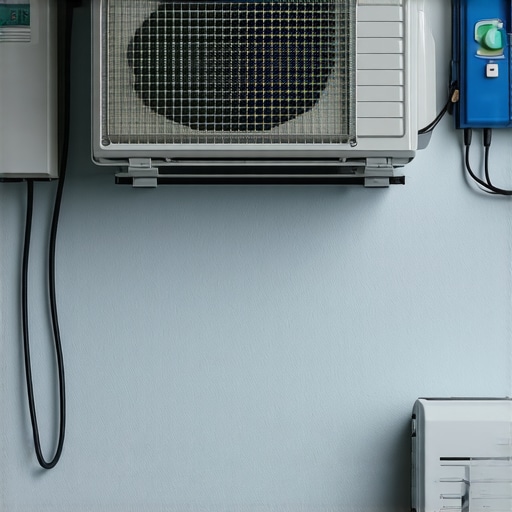
You hear that? It is not the soft hum of a high-efficiency machine doing its job. It is a rhythmic, metallic throb coming from the outdoor unit. As an HVAC veteran with three decades of sweat equity in attics and crawlspaces, I can tell you that sound is the death rattle of a compressor trying to move ‘juice’ through a system that wasn’t designed for the 2026 energy landscape. If your utility bill has doubled this year, you are likely a victim of the ‘A2L Transition’ or a victim of a ‘Sales Tech’ who didn’t understand the physics of the North’s brutal winters.
The Sales Tech Scam: A Case of Criminal Misdiagnosis
Last Tuesday, I followed a kid in a shiny wrap-around truck—one of those ‘Sales Techs’ who spends more time in sales seminars than in a mechanical room. He’d just quoted a retired schoolteacher in a drafty Victorian $18,000 for a full system replacement. He told her the ‘mini-split was leaking internally’ and the compressor was grounded. I walked in, pulled the service panel, and smelled it. No, not the acidic, sour stench of a burnout. It was just the smell of dust on a hot board. I checked the run capacitor with my meter. It was dead. A $40 part. But the bigger issue? He had ignored the furnace repair needs of her primary system, leaving the mini-split to shoulder 100% of the load in -5°F weather. These units are heat pumps, not magic wands. When they are pushed past their design envelope without proper heating service, they stop being efficient and start being expensive electric toasters.
Thermodynamic Zooming: Why 2026 is Different
In 2026, the industry shifted entirely to A2L refrigerants like R-454B. These are ‘mildly flammable,’ and while they are better for the planet, they require a whole new set of sensors and mitigation fans. If your installer didn’t balance the ‘static pressure’ or used ‘pookie’ (mastic) incorrectly on the line set penetrations, your system is working twice as hard to achieve the same delta-T. Sensible heat—the temperature change you see on the thermostat—is only half the battle. In the humid North, latent heat removal is where the power goes. When a mini-split is oversized or poorly maintained, it ‘short cycles,’ failing to drop the evaporator coil below the dew point. The result? A cold, clammy house and an electric meter that spins like a top.
“The most expensive equipment in the world cannot overcome a bad duct system.” – Industry Axiom
The physics of heat transfer are unforgiving. A mini-split relies on an Electronic Expansion Valve (EEV) to hunt for the perfect ‘superheat.’ If your coils are fouled with North-bound pollen or soot from a poorly vented fireplace, that EEV stays wide open, the compressor ramps up to maximum RPM, and your power consumption skyrockets. This is why a professional AC installation isn’t just about mounting a bracket; it’s about calculating the ‘Manual S’ equipment selection against the ‘Manual J’ load of the room.
The Regulatory Cliff of 2025-2026
We are currently standing on a regulatory cliff. The EPA’s mandate to phase out R-410A has left homeowners with legacy systems in a bind. If you have a leak in an old unit, the cost of ‘gas’ is now astronomical. Many ‘Tin Knockers’ are rushing installs of the new A2L units without attending the proper training. I’ve seen ‘Sparky’ (the electrician) wire these new units without considering the parasitic draw of the new leak-detection sensors, which, when combined with a failing blower motor, can double your standby power usage. If you are looking at a new mini-split, you must ensure the ‘Manual D’ duct design (if it’s a ducted mini-split) is spot on.
“Designers shall use the procedures outlined in Manual J to determine the heating and cooling loads of the building.” – ACCA Standard 5
The Physics of the Polar Vortex
In our climate zone, we deal with the ‘Monsoon Effect’s’ cold cousin: the Polar Vortex. When the mercury drops, a heat pump has to work harder to extract heat from the freezing ambient air. Without a proper heating service plan, the defrost cycle on your mini-split can trigger every 30 minutes. That means the unit is actually reversing itself—stealing heat from your living room to melt ice off the outdoor coil. If your auxiliary heat strips (the ‘toaster wires’) kick in because the compressor can’t keep up, that is where your 2x power spike lives. A cracked heat exchanger in your backup furnace can also cause the mini-split to work overtime, as the ‘furnace repair’ issue goes unnoticed while the mini-split tries to compensate for a dead primary heater.
Maintenance vs. The Scam Tune-Up
Don’t fall for the $29 ‘Tune-Up’ advertised on the back of a grocery receipt. Those are ‘Sales Tech’ lead generators. A real technician checks the ‘Suction Line’ (it should be ‘beer can cold’ in summer), cleans the ‘Pookie’ off the drain pan to prevent mold, and checks the thermistor resistance against the manufacturer’s chart. If your tech doesn’t own a manometer or a micron gauge, show them the door. Your 2026 power bill depends on the precision of the charge and the cleanliness of the fins. Efficiency isn’t bought; it is maintained through physics and grit. [{“@context”:”https://schema.org”,”@type”:”HowTo”,”name”:”How to Restore Mini-Split Efficiency”,”step”:[{“@type”:”HowToStep”,”text”:”Clean the reusable filters in the indoor head every 30 days to ensure maximum airflow.”},{“@type”:”HowToStep”,”text”:”Inspect the outdoor condenser for debris or ice buildup and clear it gently with a garden hose.”},{“@type”:”HowToStep”,”text”:”Schedule a professional heating service to check refrigerant pressures and sensor accuracy.”}]}]