
It was one of those sweltering summer nights when I finally admitted defeat—my traditional AC unit was barely keeping up, and the humming noise kept me awake. Or maybe it was the icy blast of my old heater that decided to break down just as winter hit? Either way, I realized I needed a better solution. That lightbulb moment led me down a path of discovering mini-split systems, and let me tell you, my home’s comfort has never been the same.
Why I Switched to Mini-Split Systems (And Why You Might Want to Too)
Years ago, like many homeowners, I relied on a central furnace and window AC units. But those bulky, inefficient systems often left me wishing for more control and energy savings. When I started researching, I learned that mini-split systems are a game-changer—offering zoned cooling and heating, energy efficiency, and increased comfort. And following some initial mistakes, like choosing a size too small or ignoring professional installation, I finally tapped into their potential. If you’re tired of uneven temperatures or skyrocketing energy bills, I promise that understanding mini-split systems will help transform your home comfort experience.
Is the Hype About Mini-Split Systems Just Talk?
This was my biggest skeptic thought before jumping in. Like you, I wondered if investing in a mini-split was worth it or just another trendy gadget. My early mistake was opting for a cheaper, non-professional installation, which led to uneven cooling and noisy operation. Fortunately, I discovered that choosing trusted experts, such as those who specialize in mini-split installation, makes all the difference. Today, I can honestly say that mini-split systems are not just hype—they offer real, lasting benefits for year-round comfort, especially when installed and maintained properly. In this guide, I’ll share everything you need to know about these systems, so you can enjoy the same level of comfort I finally achieved.
Select the Right System for Your Home
Start by assessing your home’s specific needs. Measure each zone you want to cool or heat, considering room size, insulation, and sunlight exposure. For example, I once estimated and measured several rooms myself, which helped me determine the BTU capacity needed for each area—avoiding the mistake of installing too small units that couldn’t cool the space effectively. Use resources like these guidelines to pick systems suited for your home’s size and layout.
Plan Your Installation Space Carefully
Choose Optimal Indoor and Outdoor Locations
Identify spots with minimal obstructions for indoor units—ideally high on a wall where air circulation is unobstructed. For outdoor units, select a shaded, well-ventilated area away from debris and heavy foot traffic. I remember installing mine on a shaded corner of the backyard, which improved efficiency and longevity. Proper placement also reduces noise disturbance and prevents damage, much like placing outdoor AC units away from windows and porch areas.
Prepare for Professional Help
While some handyman skills help, the installation of mini-split systems is best handled by trusted experts. During my initial attempt, I underestimated the need for specialized tools and skills, which led to refrigerant leaks and system inefficiencies. Engaging professionals ensures correct pipings, electrical connections, and refrigerant levels—key for optimal operation and durability.
Perform Accurate Wiring and Refrigerant Connections
Follow manufacturer instructions meticulously. When I installed my first mini-split, I used a digital multimeter to double-check electrical connections, preventing potential shorts. For refrigerant lines, ensure they are insulated and sealed properly to avoid leaks. Remember, improper connections can cause energy loss and system failure, similar to how a loose bolt on a furnace can lead to inefficiencies or safety hazards.
Set Up Thermostat and Zone Controls
Configuring your zones allows targeted comfort. Program your thermostat for each room based on usage patterns, much like setting different schedules for a multi-room heating system. I found that using a smartphone app to control zones gave me real-time adjustments, saving energy and enhancing comfort. This step prevents unnecessary operation of units in unoccupied spaces, reducing energy bills.
Maintain Your System for Longevity
Regular cleaning of filters and coils is essential. Every season change, I rinse filters and wipe down indoor units, preventing dust buildup that hampers airflow. Additionally, scheduling annual professional inspections ensures refrigerant levels are optimal and components are in good condition. Think of it as servicing your car—necessary maintenance keeps it running smoothly and avoids costly repairs.
Many homeowners believe that HVAC systems are straightforward and can be fixed with basic knowledge or quick fixes, but facing the complexities of modern heating and cooling can lead to costly mistakes. One common misconception is that a simple filter change is enough to keep your furnace running reliably through the winter, yet proper furnace repair involves comprehensive diagnostics and understanding intricate components, as emphasized by HVAC experts. Overlooking the importance of routine professional inspections can turn minor issues into major failures, which is why regular service from trusted specialists is crucial.
Another myth involves the supposed ease of DIY mini-split installation. While these systems are marketed as straightforward, improper setup can cause inefficiencies, refrigerant leaks, and early system failure. In fact, some homeowners attempt to bypass professional installation, only to discover that handling refrigerant lines and electrical connections requires specialized tools and knowledge—an area where many mistakes happen. According to industry studies, incorrect installation accounts for a significant percentage of mini-split inefficiencies and repair calls. That’s why consulting certified experts, like those found at trusted installation services, is the best investment for long-term comfort.
The issue of system sizing also trips up many homeowners. Common belief suggests bigger units are better for faster heating or cooling, but oversized systems often lead to short cycling, increased wear, and uneven temperature management. This mistake is more insidious than it appears; it not only wastes energy but accelerates system breakdowns. Proper load calculations, which consider insulation, sunlight exposure, and room size, are vital and often overlooked. Resources like these guidelines can help you avoid the trap of improper sizing.
For advanced readers wondering about ongoing maintenance, understanding the nuances of refrigerant levels and airflow dynamics can significantly extend your system’s lifespan. Even minor refrigerant leaks, if not addressed promptly, can lead to poor performance and costly repairs. Regular professional service is necessary not only for repairs but for fine-tuning and diagnostics—a step many neglect until a complete failure occurs.
**What are the common pitfalls homeowners face when trying to troubleshoot cooling or heating problems on their own?** The risk of misdiagnosis and improper repairs can cause further damage and void warranties. Engaging with qualified experts ensures accurate diagnosis and effective solutions, saving money and enhancing comfort.
In conclusion, understanding these often-overlooked nuances can prevent costly errors and extend your HVAC system’s life. Do you think your current system is being mismanaged? Share your experiences below—I love hearing about your HVAC adventures! Remember, knowledge is your best tool against avoidable mistakes in furnace repair and mini-split installations.
Tools I Swear By for Reliable HVAC Maintenance
Maintaining HVAC systems, whether it’s a furnace, mini-split, or central AC, requires precision and the right equipment. I personally rely on a digital manifold gauge set for refrigerant checks, which allows me to accurately measure pressure levels and diagnose leaks quickly. This tool is a game-changer—saving time and preventing costly repairs. Additionally, a high-quality multimeter helps me verify electrical connections swiftly, ensuring system safety and efficiency. I also invest in a reliable coil cleaning brush and a microfiber cloth to keep coils and vents free of dust and debris, maintaining optimal airflow.
Why Proper Tools Matter for Long-Term Results
Using the correct diagnostic tools ensures issues are caught early before they escalate into major failures. For example, a digital manometer not only helps in confirming refrigerant pressures but also assists in verifying proper airflow on the blower motor, which is essential for energy efficiency. Regularly employing these tools during routine maintenance extends the lifespan of your equipment, improves efficiency, and minimizes unexpected breakdowns. I predict that the future of HVAC maintenance will increasingly involve smart diagnostic gadgets that connect to apps, providing real-time data and predictive alerts—making DIY maintenance more effective and less stressful.
How do I maintain my HVAC tools over time?
It’s vital to keep tools clean and calibrated. After each use, I rinse my gauges and wipe down multimeters, storing them in protective cases to prevent damage. Calibration should be checked periodically, especially for digital devices, to ensure accuracy. Investing in quality tools and maintaining them properly ensures they’re reliable when you need them most, ultimately saving you money and time.
If you’re serious about keeping your HVAC system running smoothly, consider integrating handheld infrared thermometers for quick temperature readings across different zones. They provide immediate insights into system performance, helping identify uneven heating or cooling that might require professional attention. For critical refrigerant work, hiring certified technicians remains the safest approach, but your personal toolkit now becomes a powerful ally in routine checks and minor troubleshooting.
Maintenance Strategies to Save Money in the Long Run
Consistent upkeep, like quarterly coil cleaning and filter replacements, combined with diagnostic checks using my favorite tools, results in tangible savings and peace of mind. Don’t wait for system failures—perform proactive maintenance. Scheduling annual inspections with HVAC professionals provides an extra layer of security, catching emerging issues early.
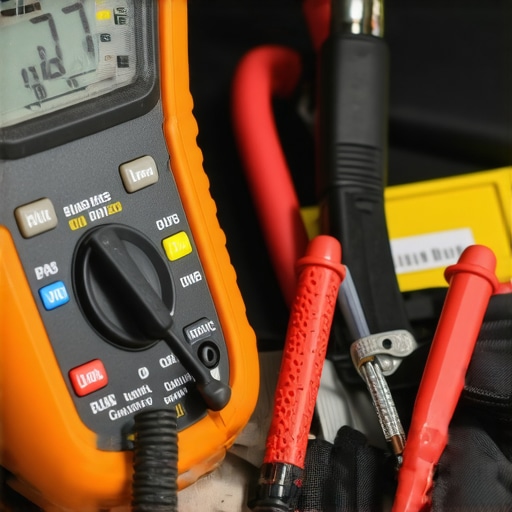
Properly calibrated gauges and multimeters help ensure your HVAC system operates at peak efficiency, preventing costly breakdowns and extending its lifespan.
Embrace Advanced Tips
One tip I highly recommend is to set up a digital logbook tracking maintenance dates, tool calibrations, and performance metrics. This habit not only keeps you organized but also provides valuable data when consulting with HVAC professionals. Trying out a system like this can dramatically improve your system’s reliability and your confidence in DIY maintenance. Ready to take it to the next level? Implement one of these tools today and see the difference!
Over time, the most valuable lesson I learned about mini-split systems is that they’re not just appliances—they’re a pathway to personalized comfort and energy savings. One lightbulb moment was realizing that proper sizing and professional installation are crucial, saving me from costly mistakes and inefficient operation. Additionally, I discovered that regular maintenance and investing in quality tools have kept my system running smoothly for years. The most profound insight? That effective home climate control is an ongoing journey, and mastery comes through continuous learning and proactive care.
My Arsenal for Lasting Home Comfort
I rely on a few trusted tools such as a digital manifold gauge set for refrigerant checks and a dependable multimeter for electrical diagnostics. These tools have been game-changers, helping me catch small issues before they turn into big problems. I also recommend a high-quality coil cleaning brush and infrared thermometer, which give me quick insights into system performance. These resources have become my DIY allies, ensuring I maintain peak efficiency and extend the lifespan of my mini-split system. Trusting these tools is backed by my personal experience—they provide accuracy and peace of mind.
Taking Control: Embrace Continuous Improvement
One thing I wish I’d understood sooner is the importance of tracking maintenance and system performance over time. Setting up a simple digital logbook helps me remember service dates, calibration checks, and performance benchmarks. It’s empowering and helps me communicate more effectively with HVAC professionals. This habit transforms maintenance from a chore into a strategic activity, ensuring my home stays comfortable and my system operates efficiently. The key takeaway? Never underestimate the power of organized, consistent care—your home’s comfort depends on it.
What’s Next in My Home Comfort Evolution?
If you’re looking to elevate your mini-split efficiency and longevity, focus on proactive maintenance and embracing the right tools. The future of home climate control belongs to those who stay informed and engaged—think smart diagnostics and regular checkups. Remember, your comfort is an investment, and the journey of mastering your HVAC system is ongoing. You’ve got this, and I encourage you to take that next step today. Your home deserves it, and your future self will thank you for the effort.
Which step are you planning to take next to improve your home’s comfort? Let me know in the comments—I’d love to hear your plans!