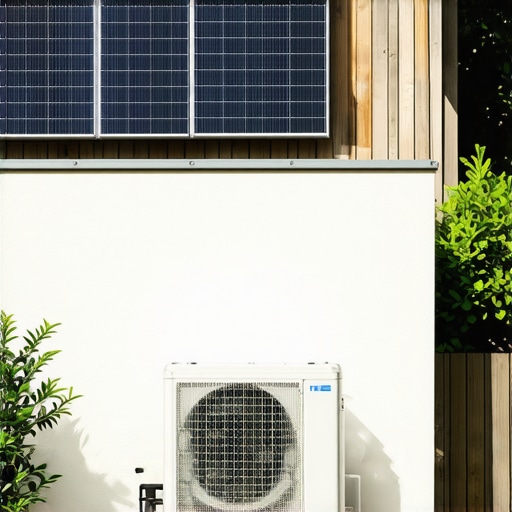
I remember the exact moment I realized my old air conditioning unit was costing me a fortune—and frankly, just wasn’t cutting it anymore. Summer hit, and instead of the cool relief I craved, I was greeted with uneven temperatures, sky-high energy bills, and a mounting sense of frustration. It was a lightbulb moment: I needed to upgrade, but not just with any system. I wanted the best for my home—something energy-efficient, reliable, and right for my needs.
That experience sparked a deep dive into the world of HVAC systems, and I quickly learned that a smart installation process is the foundation of true comfort. Over the years, I’ve picked up some invaluable tips and insights, which I now wish I had known before my first upgrade. If you’re considering a new AC system or just want to optimize your current setup, understanding these key strategies can make all the difference.
Why Investing in Proper AC Installation Matters More Than You Think
Choosing the right air conditioning system is only part of the equation. The real magic happens during installation. A poorly installed AC can lead to inefficient cooling, higher energy bills, and increased wear and tear—ending up costing you more in the long run. According to the U.S. Department of Energy, improper installation can reduce an air conditioner’s efficiency by up to 30%, which significantly impacts your utility bills and comfort levels. So, a high-quality unit is pointless if it isn’t installed correctly.
From my experience, the biggest mistake homeowners make early on is choosing a system based solely on price or brand reputation. While those are important, overlooking professional installation can undo any benefits those choices might have. You want to work with a technician who understands not just the equipment, but also the specifics of your home’s needs.
To avoid this, I recommend researching trusted HVAC professionals who specialize in [mini-split systems](https://climatemasterzhvac.com/top-ac-installation-mini-split-solutions-for-lasting-home-comfort-in-2024) and understanding their approach to installation. Proper ductwork, placement, and system sizing are crucial for maximum efficiency and comfort. Investing in experienced installers might seem like an extra cost now, but it pays off in lower bills and more reliable cooling.
Have you already faced issues like uneven cooling or surprise energy spikes? If so, your system might not just be outdated but improperly installed. Stay tuned—I’ll walk you through actionable tips to ensure your next AC setup is spot-on and keeps you cool while saving money.
Measure Your Space Accurately
Start by calculating the square footage and layout of your home areas to determine the appropriate cooling capacity. I once hastily chosen a unit without proper measurement, leading to inefficiency and discomfort. Take precise measurements of each room, including ceiling heights, door and window placement, and insulation quality. Use a tape measure and a simple calculator or online tools to ensure accuracy.
Choose the Right System for Your Home
Decide between a central, ductless mini-split, or portable AC based on your home’s structure and your cooling needs. When I opted for a ductless mini-split system using this comprehensive guide, I appreciated how it targeted individual rooms, saving energy. Consider factors like existing ductwork, budget, and desired zones to select the most effective system.
Prepare for Professional Installation
Research qualified HVAC technicians who specialize in your chosen system type. I contacted a local expert known for reliable mini-split installations. Ensure they assess your site, handle permits if necessary, and explain every step of the process. Clear communication reduces surprises and guarantees proper setup.
Ensure Proper Placement for Efficiency
Placement of the indoor and outdoor units significantly impacts performance. For example, I once instructed my installer to avoid placing the outdoor condenser in shaded areas, which improved efficiency as explained on this article. The indoor unit should be mounted high on an interior wall, free from obstructions, and away from direct sunlight or heat sources. Outdoor units need proper airflow, stable mounting, and protection from harsh weather.
Optimize Ductwork and Refrigerant Lines
If your system involves ducts, verify they are sealed and insulated to prevent leaks and heat gain. I learned the hard way that poorly sealed ductwork causes energy loss, increasing costs. For ductless systems, ensure refrigerant lines are insulated and routed efficiently to avoid energy drain and condensation issues. Focus on minimal bends and length to reduce pressure drops and improve cooling effectiveness.
Test and Fine-Tune the System
After installation, turn on the system and check for cold air delivery, unusual noises, or vibrations. I once neglected to test the system thoroughly, resulting in a return visit to fix a refrigerant leak. Adjust thermostat settings and ensure the indoor air vents distribute airflow evenly. Request the technician calibrate the system for optimal efficiency and set the timers or modes for your daily routine.
Maintain Regular Service for Longevity
Schedule periodic inspections and cleanings as recommended on these tips. Clean filters, clear debris around outdoor units, and listen for abnormal sounds. Proper maintenance decreases breakdowns, keeps energy bills low, and extends your system’s lifespan.
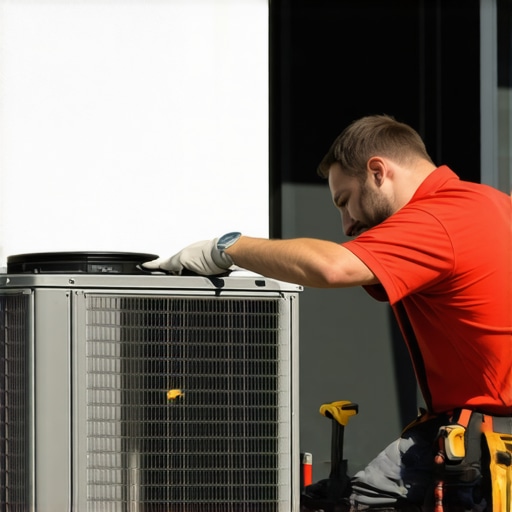 While many believe that choosing a high-quality HVAC system guarantees hassle-free comfort, the real challenge lies in understanding the intricate nuances of installation and maintenance. For instance, a common myth is that all ductless mini-splits are equally efficient; in reality, improper placement or sizing can undermine their benefits, leading to uneven cooling and increased energy use. According to a study by the U.S. Department of Energy, system efficiency heavily depends on precise installation and customized zoning, which many overlook. Additionally, some assume that furnace repairs can be deferred indefinitely, but neglecting periodic inspections can result in costly breakdowns and reduced lifespan. A critical mistake is failing to consider the advanced features, like variable-speed blowers, that enhance efficiency but require expert handling.
How can advanced HVAC technologies be misapplied due to a misunderstanding of their nuances?
Many homeowners enthusiastically adopt new features without proper consultation, leading to suboptimal performance. For example, installing a smart thermostat without ensuring compatibility with your system can cause frequent malfunctions, negating savings. An article by HVAC experts emphasizes that understanding each component’s specifications and proper calibration are essential for this technology to deliver its full potential. Furthermore, rushing into new installations without consulting detailed guides or professional advice may result in miscalculations—like underestimating load requirements—that diminish comfort and increase costs. To avoid such pitfalls, it’s crucial to leverage expert insights when planning your HVAC upgrades. If you’ve ever fallen into this trap, share your experience in the comments.
Remember, a system’s true value emerges when you harness its full capabilities through expert installation and understanding. For comprehensive guidance, consider exploring trusted resources or consulting certified professionals. Proper attention to these nuances can save you money, extend equipment life, and, most importantly, keep your home comfortably conditioned all year round.Maintaining your HVAC systems over time requires a combination of smart tools, routine practices, and an understanding of emerging technologies. Personally, I rely heavily on a few specialized tools and software solutions that have proven indispensable in keeping my systems running efficiently and avoiding costly breakdowns. One such tool is a digital refrigerant leak detector, which I use quarterly to ensure my mini-split lines are airtight and performing optimally. These detectors, like the Inficon D-TEK select, provide quick, reliable readings, enabling proactive repairs before minor leaks evolve into significant energy drains.
Another critical component of my toolkit is a high-quality anemometer, which I utilize to verify airflow rates from supply registers. Consistent airflow is crucial for system longevity and comfort, especially when adjusting or scaling your setup. I prefer models like the Extech 445815 vane anemometer, as they offer precise measurements even at low velocities, ensuring that I can catch issues early.
When it comes to software, I recommend adopting building management system (BMS) integration tools such as Nest or Ecobee smart thermostats combined with energy monitoring apps. These platforms not only allow remote control and scheduling but also provide detailed insights into energy consumption patterns. Over time, this data helps identify inefficiencies that, if addressed promptly, can extend your system’s lifespan significantly.
The trend in HVAC maintenance is moving toward predictive analytics powered by IoT sensors and AI-based diagnostics. Companies are increasingly offering integrated solutions that continuously monitor system health, alerting homeowners or technicians before a failure occurs. Looking ahead, embracing these technologies will be essential for those who want to scale their comfort solutions efficiently and economically. For instance, upgrading your furnace or mini-split with IoT sensors like those in the Lennox iComfort S30 can provide real-time diagnostics, ultimately saving money and reducing downtime.
How do I maintain my HVAC systems over time?
Regular preventative maintenance is vital. Schedule professional inspections and tune-ups at least once a year—preferably before peak seasons. During these visits, technicians will clean components, check refrigerant levels, and verify airflow and combustion efficiency. Additionally, changing filters every 1-3 months, depending on usage, helps sustain airflow and indoor air quality.
In my experience, using digital tools to track maintenance schedules and system performance makes it easier to stay ahead of potential issues. For example, integrating your thermostat with maintenance reminders ensures you never forget crucial service appointments, minimizing the risk of unexpected failures. You might also consider learning how to interpret energy monitoring data yourself, enabling you to spot early signs of inefficiency.
Implementing these advanced practices not only boosts your system’s reliability but also prepares you for future upgrades. As energy efficiency regulations become stricter, tools like smart sensors and predictive maintenance systems will become standard. For example, some research suggests that IoT-based diagnostics could reduce HVAC maintenance costs by up to 30% over five years, based on a report from the Journal of Building Performance Simulation.
Ready to upgrade your maintenance routine? Try installing a refrigerant leak detector or a smart thermostat with energy monitoring features as a first step. These investments will pay off in lower bills, enhanced reliability, and increased comfort. Remember, proactive upkeep today ensures your heating and cooling systems serve you well for years to come.
Lessons I Wish I Didn’t Have to Learn About HVAC Upgrades
- One of the hardest truths I discovered was that even the most advanced mini-split systems can fall short if not perfectly placed. It’s not just about choosing the right equipment but understanding how each room’s unique characteristics influence airflow and temperature stability.
- I once underestimated the importance of duct sealing during a central AC installation. That oversight cost me more in energy bills and back-and-forth repairs than I care to admit. Proper duct sealing and insulation are simply non-negotiable for true efficiency.
- Quick fixes and shortcuts are tempting, but I learned that investing time in detailed planning and professional assessment upfront can save years of headaches—and money. Don’t rush your HVAC decisions.
My Essential Tools for HVAC Triumphs
- Refrigerant leak detectors—like the Inficon D-TEK select—have become my go-to for early detection of potential issues. Reliable monitoring keeps my systems running smoothly and protects my investments.
- High-precision airflow meters, such as the Extech 445815, help me verify that indoor vents distribute air evenly. Consistent airflow means comfort, efficiency, and less wear on vital components.
- Smart thermostats integrated with energy monitoring, like Ecobee or Nest, provide insights that often surprise me. These tools help me optimize settings, extend equipment lifespan, and reduce utility costs over time.
Embrace the Future to Keep Your Home Cozy
The realm of HVAC keeps evolving with smart technology, IoT sensors, and AI diagnostics. I believe the smartest owners will harness these advancements early, transforming their homes into efficient, self-aware systems that deliver reliable comfort year-round.
Start small—perhaps with a smart thermostat or leak detector—and gradually incorporate these innovations. Doing so will arm you with the insights needed to prevent issues before they affect your comfort or budget. Remember, ongoing attention and smart tools are your allies in maintaining home warmth and coolness, no matter the season.