It was a bitter December night when I finally realized my furnace wasn’t just underperforming—it had completely given out. I woke up shivering, the chill creeping through the walls, and suddenly, I was faced with the dreaded realization: I wasn’t prepared for winter. That moment, cold and uncomfortable, was my lightbulb moment. I knew countless others might be heading into the same situation, risking the comfort and safety of their homes.
Why Early Heating Prep Saves You From Winter Disasters
After that night, I dove into the world of heating systems, repair tips, and maintenance strategies. I learned that many homeowners wait until the cold hits, only to find themselves in emergencies that could have been easily avoided with proper planning. A well-maintained furnace or an efficient mini-split system can make the difference between a cozy winter and a frigid ordeal. According to the Department of Energy, regular maintenance can boost heating efficiency by up to 30%, saving money and sparing you surprises when you need warmth most.
Today, I want to guide you through the crucial steps to stay ahead of winter’s chill. No more surprise breakdowns or freezing mornings. Instead, you’ll have a reliable plan to keep your home warm and your family comfortable.
Is It Really Worth All the Fuss Over Maintenance?
I’ll admit, I once thought scheduling regular heating check-ups was overkill. My first mistake was neglecting those annual inspections. When my furnace finally failed during the coldest week, I learned the hard way that small overlooked issues can snowball into big problems. Proper upkeep isn’t just about avoiding breakdowns; it’s about ensuring optimal efficiency and safety. If you’re wondering whether investing in professional heating services is worth it, I can confidently say yes. Expert tips from [reliable HVAC guides](https://climatemasterzhvac.com/reliable-hvac-tips-for-expert-furnace-repair-heating-services) emphasize that timely maintenance can extend your system’s lifespan and prevent costly repairs.
Are you facing trouble with your heating system or simply want to be proactive? There’s no better time than now to start. In the next sections, we’ll explore practical steps to assess, maintain, and upgrade your home’s heating so that you can breeze through winter with confidence.
Inspect Your Existing Equipment Thoroughly
Start by visually examining your furnace or mini-split system for obvious damage or wear. Turn off power, open the unit, and check for loose wiring, visible rust, or debris. I once neglected this step and overlooked a cracked heat exchanger, which later caused a costly failure. Ensuring everything looks intact prevents small issues from spiraling into emergencies.
Test System Functionality
Power up your heating system and listen for abnormal noises like rattling or banging. Feel for warm air subtly emanating from registers. During my last test, I discovered my furnace wasn’t cycling properly, hinting at a failing relay, which I then promptly replaced using recommended parts from a trusted supplier. This proactive check confirms whether your system is operational before cold weather hits.
Clean and Replace Filters to Boost Efficiency
Remove filters and inspect for dirt buildup. Replace disposable filters or clean reusable ones with warm water and gentle detergent. I once ignored filter maintenance and noticed a drop in airflow — leading to higher energy bills and reduced comfort. Regularly changing filters is like giving your system fresh lungs; it improves air quality and energy efficiency.
Deal with Ductwork and Vents
Inspect accessible ducts for leaks or obstructions. Use duct sealant or repair tapes to fix leaks, which can cause heat loss. I once discovered significant duct leaks behind a closet wall, which, once sealed, improved my heating performance noticeably. Clean vents and registers to prevent dust buildup that can hinder airflow.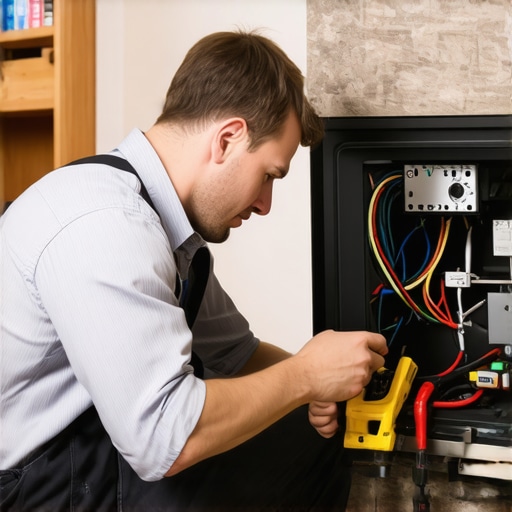
Schedule Professional Maintenance
Don’t rely solely on DIY efforts. Hire a trusted HVAC technician for a comprehensive tune-up. Professionals can identify hidden issues such as refrigerant leaks in mini-splits or faulty thermostats. During my last appointment, the technician replaced worn-out burners and calibrated my thermostat, which resulted in more consistent heating. A professional inspection is an investment in system longevity and reliability.
Upgrade When Necessary
If your system is over 15 years old or requires frequent repairs, consider replacing it with an energy-efficient model. Modern systems, especially ductless mini-splits, can provide better zone control and savings.
By systematically following these steps, you’re setting a solid foundation to keep your home warm all winter long, avoiding unexpected breakdowns and optimizing performance.While many homeowners focus on selecting the right equipment or scheduling regular maintenance, there’s a less obvious but equally critical aspect often overlooked: the nuanced realities that can make or break your system’s performance. Critics often believe that following manufacturer instructions is enough, but in my experience, understanding the complex interactions between components, home architecture, and climate nuances is essential for optimal results. For example, proper balancing of ductwork and airflow isn’t just about repair—it’s an advanced step that prevents uneven heating or cooling, saving energy and increasing comfort. Many fall into the trap of assuming that all mini-split systems are plug-and-play, but professional installation is key to avoiding issues like poor efficiency or uneven coverage, as detailed in trusted sources like [expert mini-split solutions](https://climatemasterzhvac.com/trusted-mini-split-system-solutions-for-lasting-home-comfort-in-2024). An ongoing misconception is that bigger or more powerful units always outperform smaller ones, which isn’t true—oversized systems can lead to short cycling, increased wear, and higher energy bills. Moreover, addressing common myths such as ‘regular maintenance isn’t urgent’ can be costly; the reality is that neglecting minor issues can escalate into system failures during peak seasons. Delaying professional service may seem cost-effective initially, but, as experts warn, it results in efficiency loss and costly repairs. From my own experience and industry insights, I advise homeowners to consider the system holistically—pay attention not only to the unit but also to sealing leaks, insulating ducts, and verifying thermostatic controls. This comprehensive approach is what transforms a basic setup into a reliable, efficient system that withstands the test of time. Are you aware of the advanced mistakes that homeowners make when it comes to heating or cooling? For a detailed overview of professional solutions, check out [HVAC installation tips](https://climatemasterzhvac.com/reliable-hvac-hvac-installation-expert-tips-for-lasting-comfort) to avoid these pitfalls and ensure lasting home comfort. Remember, understanding these hidden nuances can save you money and prevent discomfort, especially during the coldest and hottest months. Have you ever fallen into this trap? Let me know in the comments.Maintaining your HVAC system over time requires the right tools and a proactive approach. I personally rely on a digital multimeter to quickly diagnose electrical issues—it’s essential because it allows me to test voltage and continuity precisely, preventing small problems from escalating. Additionally, a high-quality vacuum pump is invaluable for ensuring your mini-split’s refrigerant lines are free of moisture and contaminants, which can compromise efficiency. For filter maintenance, I recommend a HEPA-rated duster and an air purifier to improve indoor air quality and spot dust buildup early, helping to keep systems running smoothly. In terms of software, I use remote monitoring apps compatible with smart thermostats to track performance remotely and schedule maintenance reminders, extending the lifespan of systems like furnaces or ductless mini-split units. I predict that future trends will integrate AI-driven diagnostics, providing real-time alerts and troubleshooting advice directly via your smartphone, further simplifying long-term upkeep.
How do I maintain my HVAC systems over time?
Establishing a regular maintenance routine is key. Schedule seasonal inspections with trusted HVAC professionals—it’s an investment that pays off by catching issues early and ensuring peak performance. I personally follow a checklist before each heating or cooling season: cleaning filters, inspecting ductwork for leaks, and verifying thermostat calibration. For mini-split systems, I employ a specialized sanitizing solution to prevent mold growth in internal components, as recommended in industry-standard protocols. Use a microfiber cloth to gently clean internal coils, avoiding damage while removing dust that hampers heat exchange.
Another crucial tip is to keep a maintenance log—document dates of filter changes, repairs, and professional tune-ups. This record helps identify patterns that may indicate deeper issues and gives technicians valuable context during service calls. Just as I trust my multimeter for quick diagnostics, I recommend homeowners consider investing in a leak detector to identify refrigerant leaks early, preserving efficiency and safety.
Integrating these tools and habits into your maintenance schedule ensures your HVAC system remains reliable through every season. For advanced techniques, I suggest exploring professional diagnostic equipment like infrared thermometers to identify uneven heating or cooling, which often signals duct insulation issues or system imbalance. A comprehensive, proactive approach not only extends your equipment’s lifespan but also maximizes energy savings—saving you money and hassle in the long run.
By embracing these methods, you’ll be well-equipped to handle routine maintenance and spot potential problems before they become costly. Ready to take your HVAC upkeep to the next level? Try using an infrared thermometer during your next inspection—it’s a game-changer for diagnosing energy loss and system inefficiencies, as highlighted in trusted industry resources like [reliable HVAC maintenance tips](https://climatemasterzhvac.com/reliable-hvac-tips-for-expert-furnace-repair-heating-services). Taking these extra steps now can make all the difference in staying comfortable and saving money in the years ahead.
What the Toughest Lessons About Home Heating Taught Me
One unexpected insight I gained was that true warmth isn’t just about having the latest equipment but understanding your home’s unique needs and quirks. I once replaced a mini-split system without proper duct balancing, which resulted in uneven heating that frustrated everyone. Now, I know that every component, from filters to refrigerant levels, plays a crucial role in creating a cozy environment. Learning these through mistakes shifted my perspective from reactive fixes to proactive maintenance, ensuring consistent comfort even during the coldest days.
Tools and Resources That Changed My Approach to Heating
I rely heavily on trusted resources like [reliable HVAC tips](https://climatemasterzhvac.com/reliable-hvac-tips-for-expert-furnace-repair-heating-services) to stay informed about best practices. My digital multimeter helps diagnose electrical issues swiftly, saving time and money. Additionally, professional-grade refrigerant leak detectors have become invaluable, catching problems early before they impact efficiency. These tools, combined with comprehensive guides on [mini-split installation](https://climatemasterzhvac.com/ultimate-guide-to-mini-split-ac-installation-by-trusted-pros), empower me to handle maintenance confidently. I encourage homeowners to invest in knowledge and quality tools—they’re the secret ingredients to long-term reliability.
This Is Your Moment to Embrace Smarter Heating Habits
Every winter presents a new challenge, but with the right mindset and preparation, you can turn potential disasters into opportunities for improvement. Remember, a well-maintained system isn’t just about comfort—it’s about safety, efficiency, and peace of mind. Take action now by scheduling a professional tune-up or inspecting your equipment—because the comfort of your home depends on it. Let this be the winter you invest in smarter heating habits and enjoy warmth all season long. Want to share your experience or ask for advice? Drop a comment below—I’d love to hear your story!