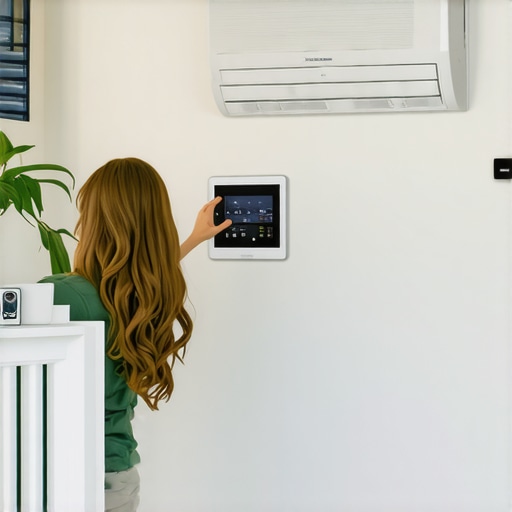
Imagine a scorching summer afternoon, sweat pooling as your old AC coughs and sputters, barely making a dent in the heat. We’ve all been there—thinking, just a few more hot days, and I’ll be done with this noisy, unreliable system. That lightbulb moment of realization hit me hard one summer when I finally understood that my outdated AC wasn’t just uncomfortable—it was costing me energy and money. It’s frustrating to depend on a system that wastes energy and leaves your home feeling like a sauna.
Why Settling for Poor Cooling Isn’t an Option Anymore
The truth is, more efficient cooling solutions exist, and they can transform your home comfort. Mini-split systems, in particular, have become a game-changer for homeowners seeking reliable and customizable cooling.
A recent study emphasizes how energy-efficient mini-split systems can be, reducing household energy use by up to 30% compared to traditional window units or central ACs. That’s a hefty saving—and makes a real difference over time. But I know what you might be thinking: “Are mini-splits really worth the hype?” Well, I’ve learned from experience that they are, especially when installed correctly.
Is High-Tech Cooling Worth the Investment?
Early on, I made the mistake of hiring a less-than-experienced HVAC technician for my installation, which led to poor performance and higher energy bills. That’s a common pitfall I want to help you avoid. Proper installation is crucial, and trusting experts—like those featured in our trusted guides—can ensure you get the most out of your investment.
In the sections that follow, I’ll walk you through the practical steps to determine if a mini-split is right for your home, how to choose the best solution, and what to watch out for during installation. If you’ve ever felt overwhelmed by conflicting advice or skeptical about the efficiency claims, stay tuned—I’ll share tips based on real-world results and proven strategies. Let’s move toward a cooler, more comfortable home together.
Select the Right Cooling System for Your Space
Begin by evaluating your home’s layout and insulation levels. Take measurements of the rooms you want to cool, noting square footage and existing ductwork if any. This helps determine whether a ductless mini-split is suitable, offering flexibility and energy efficiency over traditional central systems. I once measured a guest room with a makeshift tape measure, realizing a mini-split’s compact size fit perfectly, providing efficient cooling without intrusive ductwork.
Assess Your Home’s Insulation and Ventilation
Proper insulation directly impacts cooling efficiency. Poor insulation can lead to hot spots, undermining your system’s performance. Check windows, doors, and attic insulation. In a recent project, I discovered gaps in attic insulation that caused uneven cooling, so sealing those improved system performance significantly. Good insulation acts like a thermal blanket, helping your mini-split work smarter, not harder.
Plan Your Installation Location and Power Supply
Identify optimal wall spaces for indoor units; avoid spots with obstructions or direct sunlight to maximize efficiency. For outdoor units, choose a shaded, well-ventilated area. During my last install, I made sure the outdoor condenser was tucked away in a shaded corner, reducing energy consumption and noise. Ensure your electrical supply matches the system requirements—straightforward if your home has a dedicated circuit, but may need an upgrade otherwise. This step is crucial to prevent overloads and ensure safety. If unsure, consult an electrician or review guidelines at top mini-split installation tips.
Prepare Your Space for Installation
Clear the area around your planned units. Remove furniture, curtains, or decorations that may obstruct airflow or installation. You want easy access to both indoor and outdoor mounting points. During my setup, I cleared an entire corner, which made the process smoother and reduced the risk of damaging surrounding objects. Proper space ensures unobstructed airflow, reducing strain on the unit and extending its lifespan.
Follow Precise Installation Procedures
Adopt manufacturer guidelines meticulously. Drill mounting holes level and secure brackets firmly—think of this as anchoring a tent; stability is key. Connect refrigerant lines and wiring with care; leaks or faulty connections can cause performance issues or damage. I remember double-checking connections twice, which saved me hours of troubleshooting later. For complex setups, consider professional help—expert installations at expert heating services can ensure everything’s done properly.
Test and Optimize Your System
Before finishing, run the system to check for leaks, abnormal noises, or uneven cooling. Adjust the indoor unit’s angle and airflow for maximum comfort. In my case, a quick test revealed a loose refrigerant line, which I tightened immediately, preventing future problems. Regular maintenance and inspection, such as cleaning filters and verifying refrigerant levels, are essential for longevity. For ongoing tips, explore effective cooling strategies.
Many homeowners assume that choosing the most popular or cheapest option guarantees optimal results, but that’s a misconception that can cost you dearly. For example, there’s a common belief that replacing a furnace or AC unit with any available model will suffice, yet the nuances of proper sizing, placement, and calibration are often overlooked. Skipping these details can lead to inefficiency, increased energy bills, and system breakdowns. In fact, studies from industry experts emphasize the importance of expert installation and tailored solutions, rather than one-size-fits-all approaches.
Are Smaller Systems Always Better to Save Money
Keeping It Working: Essential Tools and Maintenance Tips
Ensuring your heating and cooling systems operate reliably over the long term requires the right combination of tools, regular maintenance, and a proactive mindset. From diagnostic meters to specialized cleaning equipment, I rely on a set of proven tools to troubleshoot, clean, and optimize my HVAC setups effectively. Regular checkups, using high-quality filters, and keeping an eye on system performance allow me to catch issues early and prevent costly breakdowns.
One of my go-to tools is a digital manifold gauge set, which provides precise readings of refrigerant pressure and temperature. These are invaluable when diagnosing mini-split or AC performance issues, especially for detecting refrigerant leaks or undercharged systems. I personally prefer models with Bluetooth connectivity, like the Testo 552, because I can easily log data and review it later, making troubleshooting more efficient. Additionally, having a good-quality vacuum pump and leak detector ensures I can perform thorough evacuations and confirm system integrity after repairs or installations.
Alongside hardware, software solutions also play a significant role. I use HVAC diagnostic apps that help interpret sensor readings and suggest the likely cause of issues. These tools reduce guesswork and speed up repairs, especially in complex setups involving ductless systems or multiple zones. Staying organized with maintenance software that tracks service dates, filter replacements, and system performance logs helps prolong equipment lifespan and maintain high efficiency.
How Do I Maintain My System Over Time?
Consistency is key. Schedule routine inspections at least twice a year—ideally in spring and fall—to preempt potential failures. During these inspections, clean or replace filters, check electrical connections, and verify thermostat calibration. I also recommend using a trusted heating system maintenance checklist to cover all bases. Regularly cleaning coils, clearing debris around outdoor units, and ensuring proper insulation can extend the life of your HVAC system and enhance energy efficiency.
Looking toward the future, I believe automation and smart controls will become standard, enabling systems to self-monitor and alert homeowners or technicians of issues before failures happen. Installing smart thermostats like the Nest Learning Thermostat or ecobee can optimize your system’s efficiency and introduce remote diagnostics, making maintenance more convenient and predictive.
Don’t forget, when in doubt, consulting with an expert can save time and money. For complex mini-split or furnace challenges, trusted professionals can provide tailored solutions. I encourage you to try integrating a Bluetooth-enabled diagnostic tool in your maintenance routine—it’s a game-changer for staying ahead of potential problems and ensuring your home remains comfortable year-round.
During my early days experimenting with mini-split systems, I underestimated the importance of precise placement. Initially, I thought placing units in the most convenient spots was enough, but I quickly learned that overlooking airflow patterns and sunlight exposure could dramatically reduce efficiency. A moment of frustration turned into a revelation when I realized that strategic installation decisions are essential for long-term savings.
Another lesson was the value of investing in quality tools and professional guidance. Skimping on proper equipment or DIY shortcuts often resulted in costly repairs or subpar performance. I now understand that trusting expert installation and using reliable diagnostic tools not only saves money but delivers peace of mind throughout the seasons.
Finally, dedicated maintenance isn’t optional—it’s the secret to lasting comfort. Regularly cleaning filters, inspecting connections, and monitoring system performance have kept my mini-split running optimally for years. Small, consistent efforts outweigh large repairs, emphasizing that a proactive approach transforms good systems into great ones.