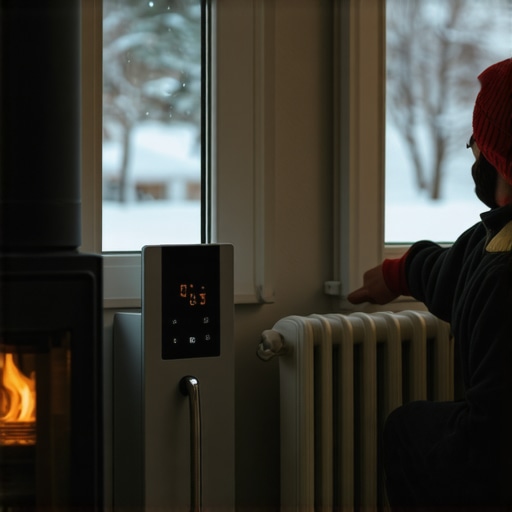
Last winter, I remember running my furnace, only to be greeted by a loud clang and then complete silence. My heart sank—I knew the cold was coming, and I didn’t want to spend another night shivering under layers of blankets. That moment was an eye-opener for me, a reminder of how crucial reliable heating services are to our comfort and safety during the colder months.
As a homeowner, I quickly realized that many of us overlook the importance of proper furnace maintenance and trustworthy repair services until it’s almost too late. The frustration of a broken furnace in the dead of winter can be overwhelming, and finding a dependable technician often turns into a stressful scramble. Have you ever faced those icy mornings, hoping your heater will turn on, only to be met with silence?
What I learned from my own mishap is that prompt, professional heating service isn’t just about comfort—it’s about safety and peace of mind. A well-maintained furnace can prevent dangerous issues like carbon monoxide leaks and costly breakdowns. But how do you identify a trustworthy service provider? That’s exactly what I want to help you with today.
Think about the last time your furnace acted up. Did you know that neglecting early signs of trouble can lead to more expensive repairs or complete system failure? According to experts, regular furnace maintenance and timely repairs can extend the lifespan of your system, saving you money and hassle in the long run. You can find some helpful tips and trusted solutions in our detailed guides.
In this post, we’ll explore practical steps to keep your home warm and safe throughout winter. From choosing the right service providers to understanding key maintenance routines, I’ll share insights rooted in experience and backed by industry expertise. So, if you’ve ever been caught off guard by a heating mishap, keep reading—we’re about to turn your cold nights into cozy, worry-free warmth.
Identify Warning Signs Before They Escalade
Pay attention to odd noises, inconsistent heating, or higher energy bills. Last winter, I noticed my furnace was making rattling sounds. Instead of ignoring them, I scheduled an inspection through trusted [furnace repair services](https://climatemasterzhvac.com/expert-furnace-repair-heating-services-for-reliable-cold-season-comfort), which prevented a complete breakdown during the coldest nights.
Perform Basic Checks
Before calling professionals, confirm the thermostat settings, change filters, and ensure vents aren’t blocked. When I did this, I realized my filters were clogged, reducing efficiency. Replacing them improved heat flow and extended my system’s lifespan. Regular upkeep like this is essential; see [top winter maintenance tips](https://climatemasterzhvac.com/furnace-repair-top-winter-maintenance-tips-for-reliable-heating).
Choose Reliable Service Providers
Research local reviews and verify credentials. Think of hiring a technician like selecting a surgeon—trustworthiness matters. I looked for certified experts who offered transparent quotes and warranties. This approach, outlined in [trusted heating service tips](https://climatemasterzhvac.com/trusted-furnace-repair-heating-service-tips-for-2024-success), ensures peace of mind and quality work.
Ask About Experience and Guarantees
Request references or examples of recent work. When I inquired, the technician shared case studies of similar systems, boosting my confidence. Always ask if they offer follow-up support or warranties to safeguard your investment.
Maintain Your System Regularly
Set a routine for annual inspections and tune-ups, ideally in fall. If you missed the last season, schedule promptly—delaying can worsen issues. During my own tune-up, the technician cleaned burners and checked for leaks, which improved system efficiency. Regular maintenance like this aligns with recommendations in [furnace repair maintenance tips](https://climatemasterzhvac.com/furnace-repair-heating-service-reliable-winter-warmth-tips-in-2024).
Optimize and Upgrade for Efficiency
Consider installing a modern, energy-efficient furnace or a mini-split system for targeted heating and cooling. A mini-split is like a tailored jacket for your room—flexible and efficient. I recently installed one in my guest room after reading [trusted mini-split solutions](https://climatemasterzhvac.com/trusted-mini-split-system-solutions-for-lasting-home-comfort-in-2024). The process involved selecting the right size, choosing a strategic location, and ensuring proper refrigerant lines. These steps, detailed in [mini-split installation strategies](https://climatemasterzhvac.com/effective-mini-split-ac-installation-strategies-for-lasting-comfort), guarantee optimal performance.
Care for Ductless Systems
Keep filters clean and schedule professional inspections at least once a year. When I maintained my mini-split, I noticed improved airflow and reduced energy costs. Proper care extends system life and ensures reliable operation, which is crucial during extreme weather.
Many homeowners believe that choosing the most advertised heating option guarantees optimal comfort and efficiency, but in my experience, this isn’t always true. A common misconception is that bigger or more expensive systems are inherently better; however, selecting equipment tailored to your home’s specific needs is crucial. The hidden nuance lies in understanding that improper sizing or installation can lead to increased energy bills and shorter equipment lifespan. For example, installing a high-capacity furnace when a smaller unit suffices can cause frequent cycling and wear, ultimately reducing efficiency. Similarly, some assume that DIY maintenance is sufficient, but neglecting proper professional servicing can result in overlooked issues—like duct leaks or refrigerant imbalances—that diminish performance. Regarding mini-splits, many think they are only suitable for supplemental heating or cooling, but with proper expert installation, they can serve as the primary HVAC source, providing zone-specific comfort and energy savings. A common mistake is neglecting proper placement and sizing; poorly installed mini-splits may produce uneven temperatures or noisy operation. Advanced homeowners should ask: How do I evaluate the true efficiency of my system beyond SEER ratings? Experts recommend considering factors like airflow, duct integrity, and proper insulation, as these significantly influence overall efficiency. Studies have shown that comprehensive system assessments and tailored solutions outperform generic, off-the-shelf choices, leading to better long-term results. So, are you falling into any of these traps? Let me know in the comments.Maintaining your heating system’s performance over time requires the right tools combined with precise methods. Personally, I swear by a digital infrared thermometer for quick, non-invasive temperature checks of duct temperatures and registers, ensuring the system heats evenly and efficiently. This device, like the FLIR TG165-X, helps me identify cold spots or blockages early, saving costly repairs later. Moreover, I rely on a high-quality vacuum gauge set when performing refrigerant checks on mini-split systems or heat pumps, which allows me to verify proper refrigerant pressure and detect leaks before they become serious issues. Using these tools regularly, especially during scheduled maintenance, keeps my systems operating at peak efficiency and prevents unexpected breakdowns. Looking ahead, advancements like smart diagnostic tools integrated with HVAC apps suggest that in the near future, remote monitoring and predictive maintenance will become standard, making preventative care even more accessible. As for long-term results, consistent use of precise tools coupled with routine inspections can extend the lifespan of your systems by several years, ultimately saving thousands of dollars. So, how do I maintain these tools over time? I recommend calibrating your infrared thermometer annually to ensure accuracy—many models come with built-in calibration features, but professional calibration services are also available and worth considering if you’re serious about precision. Regularly cleaning and storing your vacuum gauges in protective cases prevents damage and preserves sensitivity, which is crucial for accurate readings. Also, keeping a detailed maintenance log helps track tool accuracy and scheduling timely replacements. Don’t forget to update your knowledge on the latest diagnostic techniques—subscribing to industry blogs or forums can provide insights into new equipment and best practices. For instance, according to a recent technical bulletin by HVAC experts, integrating digital tools into routine maintenance not only enhances efficiency but also enables predictive analytics that forecast potential failures before they happen. I’d strongly suggest trying out a high-quality infrared thermometer during your next tune-up—it’s a game-changer for early detection of system inefficiencies and can significantly improve your long-term reliability. By investing in the right equipment now and maintaining it properly, you’ll empower yourself to keep your heating systems running smoothly and efficiently for years to come.
The Hardest Lesson I Learned About Heating Service and Furnace Repair
One of the toughest lessons I faced was neglecting regular maintenance, which led to costly emergency repairs during a freezing snap. I realized that proactive checks could have prevented that stressful scenario. Trust me, waiting until your system fails isn’t worth the cold nights and expensive fixes.
My Wake-Up Call
A sudden breakdown made me rethink my approach. Since then, scheduling seasonal tune-ups and inspections has become a priority, saving me money and ensuring reliable heat when I need it most.
3 Myths About Mini-Split Systems That Held Me Back
Initially, I believed mini-splits were only for supplementary cooling, not realizing their potential as primary heating solutions when properly installed. Dispelling this myth opened doors to energy-efficient, zone-specific comfort throughout my home—something I highly recommend exploring.
The Truth About Size and Placement
Many homeowners overlook the importance of correct sizing. I learned that professional assessment and strategic placement are crucial for mini-splits to perform optimally and save energy.
What Experts Won’t Tell You About Emergency Repairs and Long-Term Care
There’s a misconception that repairs are only needed after failures. In reality, routine maintenance like filter changes and system checks can extend the life of your HVAC and prevent emergencies. I now prioritize regular service to keep my home warm and my system running smoothly.
Curated Tools and Resources That Changed My Approach
- Infrared Thermometer: Helps identify cold spots and inefficiencies early. I use mine during regular inspections to ensure even heating and catch issues before they escalate.
- High-Quality Vacuum Gauges: Essential for refrigerant checks on mini-splits, ensuring optimal operation. Proper refrigerant levels are key to efficiency and longevity.
- Trusted Service Providers: I rely on certified professionals for inspections and repairs, which you can learn more about in [trusted furnace repair tips](https://climatemasterzhvac.com/trusted-furnace-repair-heating-service-tips-for-2024). Their expertise offers peace of mind and reliable results.
- Educational Resources: Websites like [furnace repair maintenance tips](https://climatemasterzhvac.com/furnace-repair-top-winter-maintenance-tips-for-reliable-heating) provide valuable insights that empower me to make informed decisions about my home’s heating system.
Take Action and Warm Your Home With Confidence
Ensuring your heating system is reliable doesn’t happen by chance. Regular maintenance, smart upgrades, and trusting experienced professionals make all the difference. Remember, a comfortable winter isn’t just about having a working furnace—it’s about proactive care, resources, and confidence in your home’s warmth.
What unexpected issue did you encounter with your heating system, and how did you handle it? Share your story below and let’s learn from each other’s experiences!