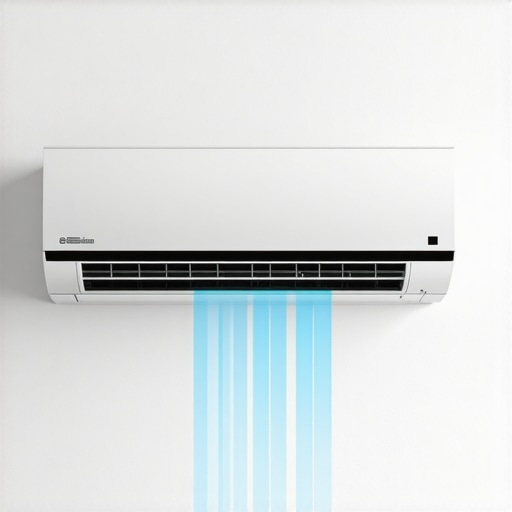
I vividly recall last summer, sitting miserably in my own living room, sweltering despite cranking up the old window air conditioner to its maximum. The noise, the uneven cooling, and the soaring energy bills made me realize I was missing out on a better solution. That was my lightbulb moment. Since then, I’ve become a true advocate for mini-split systems, and I want to share how they can transform your home’s comfort—without the hassle and inefficiency of traditional setups.
Why Home Cooling Matters More Than Ever
Temperature control isn’t just about comfort; it’s a vital part of a healthy living environment. With climate change driving more intense and frequent heatwaves, having an effective cooling system is essential. But many people stick to outdated, bulky window units or rely solely on central air, which can be inefficient and costly. Understanding how mini-split systems work can offer a more reliable and energy-efficient alternative, saving you money and stress during those scorching months.
Is Mini-Split Really Worth the Hype?
When I first heard about mini-splits, I was skeptical. I thought, “How different can they be from regular AC units?” My initial mistake was overlooking their versatility and efficiency. Unlike traditional systems, mini-splits don’t require ductwork, which means less energy loss and easier installation. According to a recent study, ductless systems can save homeowners up to 30% on cooling costs. If you’re tired of inconsistent cooling and high bills, it’s worth exploring whether mini-splits are the right fit for your home. Want to see if this solution aligns with your needs? I’ll walk you through the practical steps to making an informed choice.
Assess Your Home’s Cooling Needs
Start by evaluating which rooms require cooling and the size of each space. I remember the first time I measured my living room; I used a tape measure and a calculator to determine BTU requirements, ensuring the mini-split would be effective. For reliable guidance, check out the [mini-split system solutions](https://climatemasterzhvac.com/reliable-furnace-repair-heating-service-tips-for-2024) to understand sizing and capacity.
Choose the Right Location for Installation
Select Optimal Indoor Units
Pick spots high on the wall for optimal air circulation, avoiding direct sunlight or obstructions. I drilled into the wall myself during a weekend project, aligning the bracket carefully to prevent future issues. Proper placement enhances efficiency and comfort. Use a level to maintain straight installation, and consult [expert mini-split installation](https://climatemasterzhvac.com/trusted-mini-split-heating-service-for-year-round-comfort-in-2024) tips for best practices.
Prepare the Installation Site
Clear the area of furniture and debris. For my setup, I removed a shelving unit to access the wall cavity. This made drilling, wiring, and mounting easier. Ensure the wall can support the weight, and consider insulation around the conduit for energy savings. Refer to trusted guides for detailed site prep strategies.
Install the System Step-by-Step
Mount the Indoor Unit
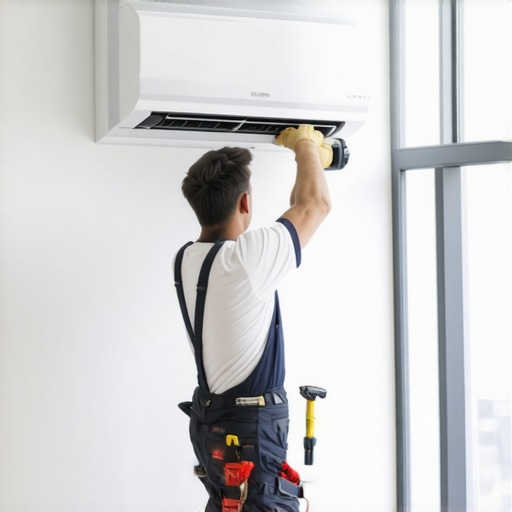
Secure the mounting bracket first—level is crucial. I held the bracket in place with a level, then drilled into the wall, avoiding wires or pipes. After mounting, I connected the refrigerant lines and power supply, ensuring tight fittings to prevent leaks. For detailed wiring and refrigerant line connection, see [trusted mini-split installation](https://climatemasterzhvac.com/trusted-mini-split-heating-service-for-year-round-comfort-in-2024) guidance.
Set Up the Outdoor Unit
Place the compressor on a stable, level pad away from excessive moisture or debris. I used concrete blocks to elevate the unit, which prevented water pooling. Connect the conduit, refrigerant lines, and power cables, double-checking for security. Proper outdoor placement boosts longevity and efficiency, as highlighted in professional installation tips.
Configure and Test Your System
Turn on the unit and set the desired temperature. I used the remote to test each mode—cooling, fan, and dehumidify—to confirm operation. Adjust airflow direction and intensity for optimal comfort. For troubleshooting and fine-tuning, consult manufacturer manuals or trusted online resources.
Maintain Your Mini-Split Effectively
Regularly clean filters and check for obstructions. I set monthly reminders to wash the filters, as recommended by HVAC experts. Scheduling annual professional tune-ups ensures peak performance and energy efficiency. Learn more about maintenance from [furnace and HVAC tips](https://climatemasterzhvac.com/furnace-repair-heating-service-tips-for-lasting-winter-warmth).
 Many homeowners assume that professional heating and cooling services are straightforward, but in reality, there’s a lot of nuance that often gets overlooked. A common misconception is that any technician can repair or install HVAC systems effectively; however, HVAC is a complex field requiring specialized training. For instance, improperly calibrated thermostats or rushed installations can lead to energy inefficiency and system failures, despite the technician’s good intentions. A surprising fact is that some HVAC myths, like the idea that regular maintenance isn’t necessary if the system seems to be working fine, can cause long-term damage. Regular check-ups, as outlined in reliable guides, are essential for optimal performance and longevity of your system.
What are the pitfalls of underestimating system sizing and airflow optimization?
Incorrectly sized units or poor airflow distribution can drastically reduce system efficiency, leading to higher bills and inadequate comfort. For example, installing a mini-split without proper calculations for room size can cause uneven cooling or heating, a mistake I’ve seen countless times. Advanced homeowners should understand that factors like duct leakage, insulation quality, and external unit placement significantly affect performance. According to HVAC experts, neglecting these details can fatally undermine your investment, turning what should be a comfort upgrade into a costly mistake. For tips on ensuring your installation hits the mark, visit trusted guides on [installation tips](https://climatemasterzhvac.com/trusted-furnace-repair-ac-installation-guides-for-lasting-home-comfort).
Common pitfalls to avoid during HVAC maintenance and repair
One of the biggest traps is neglecting regular filter changes and coil cleaning, which can reduce system efficiency by up to 30%, as noted in recent industry studies. Additionally, attempting DIY repairs without proper knowledge can sometimes do more harm than good, leading to more expensive repairs and safety hazards. For example, mishandling refrigerant lines or electrical connections can cause leaks or shorts, risking system failure or fire. A key recommendation from professionals is to always verify the credentials of your technician and adhere to manufacturer maintenance schedules—details often emphasized in trustworthy maintenance tips. To ensure your system performs reliably year after year, consider consulting comprehensive maintenance guides or trusted service providers. Have you ever fallen into this trap? Let me know in the comments.
Investing in Quality Tools for Longevity
To ensure your heating and cooling systems remain reliable, I personally rely on a few key tools. First, a high-quality digital manifold gauge set is indispensable for accurately diagnosing refrigerant pressure issues in mini-split and traditional systems. I prefer models that offer Bluetooth connectivity, allowing me to monitor pressures remotely and log data for future reference—a habit that has saved me countless hours during troubleshooting.
Secondly, an infrared thermometer is invaluable for quickly identifying uneven cooling or heating across different zones. I always carry a reliable device like the Fluke 568, which offers precise readings and durability—critical qualities for long-term use.
Leverage Software for Effective Maintenance Tracking
Beyond physical tools, I utilize maintenance management software such as ServiceTitan or Housecall Pro. These platforms help me schedule routine inspections, track parts replacements, and set reminders for filter changes. Keeping a digital record of service history not only aids in early diagnosis of potential issues but also enhances customer trust when recommending maintenance schedules or replacements.
Implement Routine Checks and Troubleshooting
Regular inspections are the backbone of system reliability. I recommend checking filters monthly—clogged filters can decrease efficiency by up to 30%. Clean them with mild detergent and replace when necessary. Also, inspecting electrical connections for corrosion or looseness prevents potential failures. When refrigerant levels seem off, using the manifold gauge set, coupled with knowledge from trusted sources, allows precise adjustments, extending the system’s lifespan.
Embrace Future Tech and Trends
Looking ahead, smart thermostats like Nest or Ecobee are becoming essential for optimizing energy use and detecting issues early. These devices can alert you to abnormal system behavior, facilitating quick intervention. Additionally, advancements in IoT-connected tools are making system diagnostics more accessible and accurate, empowering homeowners and technicians alike to maintain systems proactively.
How do I maintain HVAC systems over time?
Developing a structured maintenance routine is critical. Regularly inspect filters, coils, and electrical connections while scheduling professional check-ups at least once a year. Use diagnostic tools such as a digital manifold gauge set and infrared thermometers for precise monitoring. For comprehensive tips, check out detailed guides on trusted resources, and always stay updated with emerging smart-home integration tools to predict and prevent system failures before they disrupt your comfort. Consider trying a digital maintenance tracking app to streamline your upkeep process and ensure nothing slips through the cracks.
By investing in the right tools and adopting consistent maintenance habits, you can maximize the efficiency and lifespan of your heating and cooling systems. Remember, proactive care today saves significant repair costs tomorrow—so don’t hesitate to arm yourself with advanced equipment and techniques.
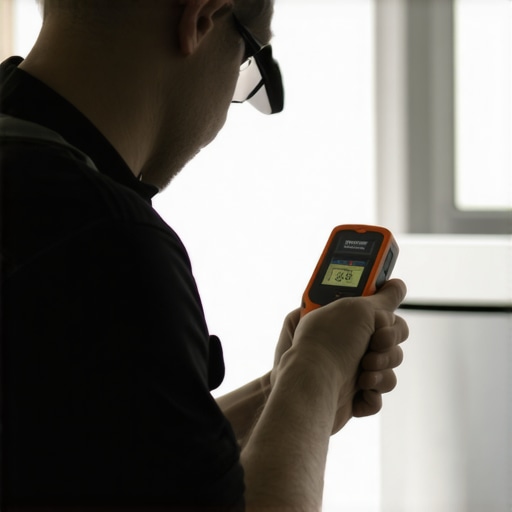
Image prompt: A technician using a digital manifold gauge set and infrared thermometer during HVAC maintenance, showcasing professional tools with a modern home background.
The Hardest Lesson I Learned About HVAC Mastery
Early in my experience, I underestimated the importance of precise sizing and airflow for mini-split systems. Choosing a unit without proper calculations led to uneven cooling, which taught me that even small oversights can compromise efficiency and comfort. Now, I always double-check room measurements and consult trusted guides to avoid costly mistakes.
Tools That Transformed My Maintenance Routine
Investing in a high-quality digital manifold gauge set and infrared thermometer revolutionized how I diagnose and troubleshoot issues. These tools provide accurate data, helping me pinpoint problems before they escalate. If you’re serious about system longevity, I highly recommend integrating reliable equipment into your routine.
My Advice for Future HVAC Enthusiasts
Don’t wait for problems to arise—regular, proactive maintenance saves time and money. Developing a structured schedule, using advanced tools, and staying informed about emerging technologies will make you more confident in your heating and cooling management. Remember, the effort invested today will pay off in years of efficient comfort.
Where to Go from Here
If you’re ready to optimize your home’s climate control, explore trusted resources like reliable furnace maintenance tips and mini-split solutions. Combining professional guidance with your own efforts will ensure lasting comfort and energy savings.
Your Next Step to Comfort Starts Today
Embrace the lessons learned, arm yourself with quality tools, and don’t hesitate to take control of your home environment. Reliable heating and cooling aren’t just luxuries—they’re essentials for a healthy, happy home. Are you ready to start your journey toward optimal comfort in 2024? Share your experiences or questions below—I’d love to hear from you!
Reading through this detailed guide really resonated with my own experience of switching from window units to a ductless mini-split system. The efficiency gains and quiet operation have been game-changers for my family’s comfort and energy bills. I especially appreciated the tips on proper placement and maintenance — I’ve found that regular filter cleaning and avoiding obstructed airflow make a huge difference in system performance. One challenge I’ve encountered is balancing multiple zones with different cooling needs; I’d love to hear if others have experience with zoning and how they manage it effectively. Also, does anyone have advice on integrating smart thermostats with mini-split setups? I’m considering an Ecobee or Nest to maximize energy savings but wonder about compatibility and best practices. Thanks for such a thorough and practical resource — it’s encouraging to see how much DIY installation and maintenance can be achievable with the right tools and knowledge.
Reading about the step-by-step process of installing a mini-split system really brings back my own DIY experience. I initially hesitated because of the perceived complexity, but with proper guidance and quality tools, I managed to install mine over a weekend. The energy savings and comfort improvements were immediate. One thing I learned early on is the importance of precise measurement and placement—missed opportunities here can lead to uneven cooling or noise issues. Regarding Emily’s point on zoning, I’ve found that zoning mini-splits with independent thermostats works well, but it’s crucial to consider programmable options for maximizing efficiency.
For those considering a retrofit or new installation, what methods or tools have you found most effective for ensuring proper refrigerant connection and leak detection? I’ve used dye-based leak detection kits, which are quite reliable. Also, do any of you recommend particular smart thermostats that integrate seamlessly with ductless systems? Sharing practical tips or pitfalls could help others avoid costly mistakes. Overall, this guide reinforces that with patience and attention to detail, DIY mini-split installation is very feasible and worthwhile.