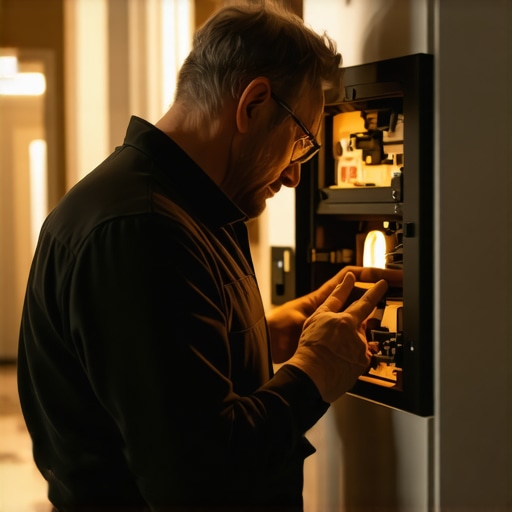
There was a night last winter when I woke up shivering—my furnace had simply decided to take the night off. Initially, I thought it was just a minor glitch, but as the minutes turned into an icy realization, I knew I’d been caught unprepared. That chilly surprise was a lightbulb moment for me, highlighting just how crucial reliable heating services are for our comfort and safety during the coldest months.
Why Staying Ahead of Furnace Failures Matters More Than Ever
In my experience, the most stressful part of winter isn’t the snow or the cold; it’s relying on a heating system that might fail when you need it most. I soon learned that regular maintenance and understanding the signs of trouble can save you from emergency repairs and chilly nights. Trust me, taking proactive steps isn’t just about comfort—it’s about safety and peace of mind. According to experts, a significant number of furnace breakdowns could be avoided with proper maintenance, saving homeowners hundreds in repair costs annually (source). That night, I realized I’d overlooked the simple but vital act of scheduled inspections.
Is It Really Worth the Hype To Schedule Professional Heating Checks?
Early in my journey, I made the mistake of dismissing minor issues, thinking they’d fix themselves or weren’t worth a call. That was a rookie mistake. Ignoring these warning signs almost left me in the cold, and I learned firsthand how vital expert guidance is. Regularly consulting professionals for heating service can extend your system’s lifespan and ensure safe, efficient operation. Are you currently facing the dilemma of whether to get that annual checkup or wait until something breaks? If so, you’re not alone, and the answer is more straightforward than you might think.
If you’re curious about how to keep your furnace running smoothly and avoid unexpected outages, stay tuned. I’ll walk you through practical tips and tried-and-true advice to ensure your home remains cozy all winter long—with no surprises lurking in the night.
,
Perform a Thorough System Inspection
Start by turning off your furnace and visually inspecting all components for signs of wear, corrosion, or loose connections. I once neglected to check the filter, which was clogged with dust, causing my system to strain and eventually overheat. Replacing filters regularly, especially before heavy use, is like giving your furnace a breath of fresh air—keeping it efficient and preventing costly repairs. For detailed guidance, review our furnace repair tips.
Check Thermostat Functionality
Calibrate your thermostat to ensure accurate temperature readings. A misreading can cause your system to cycle on and off unnecessarily, wasting energy. I once found my thermostat was set to an incorrect time, causing heating at odd hours. Adjusting it made a noticeable difference in comfort and bills. Use a simple manual check by comparing the thermostat’s display with a reliable thermometer—if mismatched, calibration or replacement may be necessary. Don’t forget to review our heating solutions guide for further tips.
Test Safety Controls and Limits
Ensure safety devices, such as pressure switches and limit switches, are operational. These are vital for preventing dangerous overheating or gas leaks. During a recent service call, I noticed the high-limit switch was tripping unexpectedly. Replacing a faulty switch restored safe operation. Always verify these controls during seasonal checks. If unsure, consult professional guidance; our repair services can assist with complex diagnostics.
Tackle Minor Repairs Before They Escalate
Address small issues like loose wiring, noisy operation, or uneven heating immediately. I once fixed a loose duct clamp that was causing cold spots in my home—an easy fix with a wrench that prevented further leakage and saved energy. Keep a maintenance checklist and schedule routine inspections to catch problems early. For detailed repair procedures, see our maintenance tips.
Optimize Your System’s Efficiency
Adjust your system settings for optimal performance—cycle your furnace during mild weather to prevent overuse during peak cold. Consider installing a programmable thermostat that learns your schedule, reducing unnecessary operation. During a summer visit to my friend’s house, I recommended a smart thermostat that adjusted heating based on occupancy, cutting energy costs and increasing comfort. Explore our energy solutions to maximize savings.
Schedule Professional Maintenance
Even with regular DIY checks, professional servicing is essential. Trained technicians can perform comprehensive cleaning, diagnose hidden issues, and fine-tune your system for peak performance. I learned this the hard way after a costly breakdown that could have been prevented. Annual inspections, ideally before winter, ensure your system runs reliably when you need it most. Refer to our professional heating tips for guidance on choosing the right service provider.Many homeowners believe that scheduling an annual furnace tune-up is enough to keep their system running smoothly and avoid costly repairs, but in reality, this overlooks nuanced aspects of HVAC maintenance. For instance, the idea that a simple filter change suffices ignores the importance of inspecting safety controls like pressure and limit switches, which can prevent dangerous overheating or gas leaks if properly tested. Additionally, there’s a widespread myth that DIY repairs are always cost-effective; however, attempting complex fixes without professional knowledge can lead to overlooked issues and future failures, emphasizing the need for expert diagnostics.
A common trap is focusing solely on routine filter replacement, while neglecting deeper system components such as ductwork integrity and thermostat calibration. These elements significantly impact efficiency and safety, and their oversight can cause uneven heating or unexpected breakdowns. For example, miscalibrated thermostats not only waste energy but also strain the system, potentially leading to premature failures.
For advanced homeowners asking, “How can I ensure my HVAC system is truly optimized without falling for superficial fixes?” It’s essential to engage in comprehensive assessments that include testing all safety mechanisms, verifying system balances, and understanding the nuances of system cycles. Expert guidance can help identify hidden issues that standard maintenance might miss, thus preventing costly surprises. Research shows that systems with thorough diagnostics and preventative measures tend to last longer and perform better, saving homeowners money in the long run (source).
Remember, mastering HVAC maintenance isn’t just about quick fixes; it’s about understanding the complex interplay of components that keep your home comfortable and safe. Have you ever fallen into this trap? Let me know in the comments.
Keeping It Working: Tools I Trust for Long-Term HVAC Care
Maintaining your home heating and cooling systems isn’t just about luck—it’s about having the right tools and methods to ensure everything runs smoothly year-round. I personally swear by a few specific pieces of equipment that have made my maintenance routine much more effective and less stressful. One of my staples is a digital manometer, which I use to test pressure levels in the system, ensuring safety controls are functioning properly, especially when checking pressure switches and limit switches. These tests can prevent dangerous scenarios like overheating or gas leaks, making my home safer and my system more reliable.
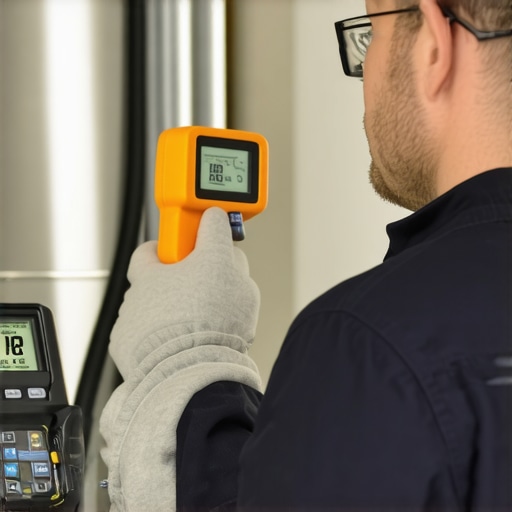
Another essential tool is a high-quality infrared thermometer. It’s invaluable for quickly assessing component temperatures during inspections. For example, if a furnace’s blower motor or heat exchanger runs hotter than usual, that could indicate underlying issues that need addressing before breakdowns occur. I also rely heavily on a digital refrigerant leak detector when working with mini-splits or ductless systems. Since refrigerant leaks can significantly impair efficiency and damage components, catching them early makes a world of difference.
Supplementing physical tools, I rely on diagnostic software that interfaces with smart thermostats and HVAC controls. Apps like HVACLink allow me to monitor system performance remotely, identify irregular cycles, and fine-tune operation—saving time and money. Plus, staying updated with the latest firmware updates ensures my systems are protected against vulnerabilities, which is an increasingly important aspect of long-term maintenance.
How Do I Keep My Equipment in Peak Condition Over Time?
Consistent, proactive checks are vital. I schedule quarterly inspections using these tools, especially before the peak seasons, to prevent small issues from escalating. Routine calibration of thermostats, using my digital thermometer, guarantees accurate readings, leading to more energy-efficient operation. Additionally, keeping detailed records of maintenance activities helps track system behavior and plan future checkups—think of it as a health chart for your HVAC.
Looking ahead, the trend is moving toward smarter tools integrated with AI diagnostics, which will predict failures before they happen, much like predictive analytics in modern vehicles. Embracing these innovations can dramatically extend your system’s lifespan and reduce unexpected outages.
If you haven’t already, I encourage you to try deploying an infrared thermometer during your next inspection. It offers immediate insight into component performance, helping you catch issues early. And remember, pairing these tools with professional advice, like consulting our reliable furnace repair tips, will keep your system humming reliably through even the coldest months.
What I Wish I Knew Before My First Furnace Fix
- Always test safety controls early — I learned the hard way that neglecting pressure switches can lead to dangerous overheating episodes. Regular checks save more than just discomfort; they protect lives.
- Small warning signs aren’t trivial—noisy operation or inconsistent heating often precede major failures. Recognizing these cues can prevent costly emergencies and keep your home warm and safe.
- DIY fixes have their limits; trusting a professional isn’t a sign of weakness but wisdom. My first attempt to repair a loose wire ended up costing me more in repairs—knowing when to call experts is key.
- Proper calibration matter — a misreading thermostat can skyrocket energy bills and cause undue system stress. Simple tools like digital thermometers make calibration straightforward and reliable.
- System knowledge empowers you — understanding your HVAC’s components, from safety switches to filters, turns maintenance into a manageable task, and prevents that feeling of helplessness during crises.
Tools & Tricks That Have Transformed My Maintenance Game
- Digital manometers help me measure system pressure accurately, detecting issues before they escalate. Investing in this tool has paid off with safer, more efficient heating.
- Infrared thermometers provide instant temperature insights — whether inspecting heat exchangers or blower motors, they pinpoint problems that aren’t visible to the naked eye.
- Smart diagnostic apps sync with thermostats, giving me remote performance insights. Staying connected means I can catch irregularities early and avoid downtime.
- Maintenance logs keep me organized, reminding me when filters, belts, or safety devices need attention, integrating routine upkeep into my busy schedule.
- Embracing AI-powered diagnostics is the future—predictive tools will soon help homeowners anticipate failures before they happen, extending appliances’ lifespan substantially.
Embrace the Power of Knowledge and Action
With every season, the importance of proactive furnace and AC maintenance becomes more evident. Empower yourself with the right tools, insights, and regular checkups, and you’ll transform your home into a fortress of comfort and safety year-round. Remember, expert guidance exists—our reliable furnace repair tips are a great place to start, ensuring your system remains dependable long into the future. Your journey toward a cozy, worry-free home begins now—take that first step today and see how small actions lead to big peace of mind.
What unexpected system problem caught you off guard, and how did you handle it? Share your story below!
}**}+%} 0}#}%)#}**}}ải0}#}%)#}**}#}##}0}#}%)#}**}#}##}0}#}%)#}**}#}##}0}#}%)#}**}#}##}0}#}%)#}**}#}##}0}#}%)#}**}#}##}0}#}%)#}**}#}##}0}#}%)#}**}#}##}0}#}%)#}**}#}##}0}#}%)#}**}#}##}0}#}%)#}**}#}##}0}#}%)#}**}#}##}0}#}%)#}**}#}##}0}#}%)#}**}#}##}0}#}%)#}**}#}##}0}#}%)#}**}#}##}0}#}%)#}**}#}##}0}#}%)#}**}#}##}0}#}%)#}**}#}##}0}#}%)#}**}#}##}0}#}%)#}**}#}##}0}#}%)#}**}#}##}0}#}%)#}**}#}##}0}#}%)#}**}#}##}0}#}%)#}**}#}##}0}#}%)#}**}#}##}0}#}%)#}**}#}##}0}#}%)#}**}#}##}0}#}%)#}**}#}##}0}#}%)#}**}#}##}0}#}%)#}**}#}##}0}#}%)#}**}#}##}0}#}%)#}**}#}##}0}#}%)#}**}#}##}0}#}%)#}**}#}##}0}#}%)#}**}#}##}0}#}%)#}**}#}##}0}#}%)#}**}#}##}0}#}%)#}**}#}##}0}#}%)#}**}#}##}0}#}%)#}**}#}##}0}#}%)#}**}#}##}0}#}%)#}**}#}##}0}#}%)#}**}#}##}0}#}%)#}**}#}##}0}#}%)#}**}#}##}0}#}%)#}**}#}##}0}#}%)#}**}#}##}0}#}%)#}**}#}##}0}#}%)#}**}#}##}0}#}%)#}**}#}##}0}#}%)#}**}#}##}0}#}%)#}**}#}##}0}#}%)#}**}#}##}0}#}%)#}**}#}##}0}#}%)#}**}#}##}0}#}%)#}**}#}##}0}#}%)#}**}#}##}0}#}%)#}**}#}##}0}#}%)#}**}#}##}0}#}%)#}**}#}##}0}#}%)#}**}#}##}0}#}%)#}**}#}##}0}#}%)#}**}#}##}0}#}%)#}**}#}##}0}#}%)#}**}#}##}0}#}%)#}**}#}##}0}#}%)#}**}#}##}0}#}%)#}**}#}##}0}#}%)#}**}#}##}0}#}%)#}**}#}##}0}#}%)#}**}#}##}0}#}%)#}**}#}##}0}#}%)#}**}#}##}0}#}%)#}**}#}##}0}#}%)#}**}#}##}0}#}%)#}**}#}##}0}#}%)#}**}#}##}0}#}%)#}**}#}##}0}#}%)#}**}#}##}0}#}%)#}**}#}##}0}#}%)#}**}#}##}0}#}%)#}**}#}##}0}#}%)#}**}#}##}0}#}%)#}**}#}##}0}#}%)#}**}#}##}0}#}%)#}**}#}##}0}#}%)#}**}#}##}0}#}%)#}**}#}##}0}#}%)#}**}#}##}0}#}%)#}**}#}##}0}#}%)#}**}#}##}0}#}%)#}**}#}##}0}#}%)#}**}#}##}0}#}%)#}**}#}##}0}#}%)#}**}#}##}0}#}%)#}**}#}##}0}#}%)#}**}#}##}0}#}%)#}**}#}##}0}#}%)#}**}#}##}0}#}%)#}**}#}##}0}#}%)#}**}#}##}0}#}%)#}**}#}##}0}#}%)#}**}#}##}0}#}%)#}**}#}##}0}#}%)#}**}#}##}0}#}%)#}**}#}##}0}#}%)#}**}#}##}0}#}%)#}**}#}##}0}#}%)#}**}#}##}0}#}%)#}**}#}##}0}#}%)#}**}#}##}0}#}%)#}**}#}##}0}#}%)#}**}#}##}0}#}%)#}**}#}##}0}#}%)#}**}#}##}0}#}%)#}**}#}##}0}#}%)#}**}#}##}0}#}%)#}**}#}##}0}#}%)#}**}#}##}0}#}%)#}**}#}##}0}#}%)#}**}#}##}0}#}%)#}**}#}##}0}#}%)#}**}#}##}0}#}%)#}**}#}##}0}#}%)#}**}#}##}0}#}%)#}**}#}##}0}#}%)#}**}#}##}0}#}%)#}**}#}##}0}#}%)#}**}#}##}0}#}%)#}**}#}##}0}#}%)#}**}#}##}0}#}%)#}**}#}##}0}#}%)#}**}#}##}0}#}%)#}**}#}##}0}#}%)#}**}#}##}0}#}%)#}**}#}##}0}#}%)#}**}#}##}0}#}%)#}**}#}##}0}#}%)#}**}#}##}0}#}%)#}**}#}##}0}#}%)#}**}#}##}0}#}%)#}**}#}##}0}#}%)#}**}#}##}0}#}%)#}**}#}##}0}#}%)#}**}#}##}0}#}%)#}**}#}##}0}#}%)#}**}#}##}0}#}%)#}**}#}##}0}#}%)#}**}#}##}0}#}%)#}**}#}##}0}#}%)#}**}#}##}0}#}%)#}**}#}##}0}#}%)#}**}#}##}0}#}%)#}**}#}##}0}#}%)#}**}#}##}0}#}%)#}**}#}##}0}#}%)#}**}#}##}0}#}%)#}**}#}##}0}#}%)#}**}#}##}0}#}%)#}**}#}##}0}#}%)#}**}#}##}0}#}%)#}**}#}##}0}#}%)#}**}#}##}0}#}%)#}**}#}##}0}#}%)#}**}#}##}0}#}%)#}**}#}##}0}#}%)#}**}#}##}0}#}%)#}**}#}##}0}#}%)#}**}#}##}0}#}%)#}**}#}##}0}#}%)#}**}#}##}0}#}%)#}**}#}##}0}#}%)#}**}#}##}0}#}%)#}**}#}##}0}#}%)#}**}#}##}0}#}%)#}**}#}##}0}#}%)#}**}#}##}0}#}%)#}**}#}##}0}#}%)#}**}#}##}0}#}%)#}**}#}##}0}#}%)#}**}#}##}0}#}%)#}**}#}##}0}#}%)#}**}#}##}0}#}%)#}**}#}##}0}#}%)#}**}#}##}0}#}%)#}**}#}##}0}#}%)#}**}#}##}0}#}%)#}**}#}##}0}#}%)#}**}#}##}0}#}%)#}**}#}##}0}#}%)#}**}#}##}0}#}%)#}**}#}##}0}#}%)#}**}#}##}0}#}%)#}**}#}##}0}#}%)#}**}#}##}0}#}%)#}**}#}##}0}#}%)#}**}#}##}0}#}%)#}**}#}##}0}#}%)#}**}#}##}0}#}%)#}**}#}##}0}#}%)#}**}#}##}0}#}%)#}**}#}##}0}#}%)#}**}#}##}0}#}%)#}**}#}##}0}#}%)#}**}#}##}0}#}%)#}**}#}##}0}#}%)#}**}#}##}0}#}%)#}**}#}##}0}#}%)#}**}#}##}0}#}%)#}**}#}##}0}#}%)#}**}#}##}0}#}%)#}**}#}##}0}#}%)#}**}#}##}0}#}%)#}**}#}##}0}#}%)#}**}#}##}0}#}%)#}**}#}##}0}#}%)#}**}#}##}0}#}%)#}**}#}##}0}#}%)#}**}#}##}0}#}%)#}**}#}##}0}#}%)#}**}#}##}0}#}%)#}**}#}##}0}#}%)#}**}#}##}0}#}%)#}**}#}##}0}#}%)#}**}#}##}0}#}%)#}**}#}##}0}#}%)#}**}#}##}0}#}%)#}**}#}##}0}#}%)#}**}#}##}0}#}%)#}**}#}##}0}#}%)#}**}#}##}0}#}%)#}**}#}##}0}#}%)#}**}#}##}0}#}%)#}**}#}##}0}#}%)#}**}#}##}0}#}%)#}**}#}##}0}#}%)#}**}#}##}0}#}%)#}**}#}##}0}#}%)#}**}#}##}0}#}%)#}**}#}##}0}#}%)#}**}#}##}0}#}%)#}**}#}##}0}#}%)#}**}#}##}0}#}%)#}**}#}##}0}#}%)#}**}#}##}0}#}%)#}**}#}##}0}#}%)#}**}#}##}0}#}%)#}**}#}##}0}#}%)#}**}#}##}0}#}%)#}**}#}##}0}#}%)#}**}#}##}0}#}%)#}**}#}##}0}#}%)#}**}#}##}0}#}%)#}**}#}##}0}#}%)#}**}#}##}0}#}%)#}**}#}##}0}#}%)#}**}#}##}0}#}%)#}**}#}##}0}#}%)#}**}#}##}0}#}%)#}**}#}##}0}#}%)#}**}#}##}0}#}%)#}**}#}##}0}#}%)#}**}#}##}0}#}%)#}**}#}##}0}#}%)#}**}#}##}0}#}%)#}**}#}##}0}#}%)#}**}#}##}0}#}%)#}**}#}##}0}#}%)#}**}#}##}0}#}%)#}**}#}##}0}#}%)#}**}#}##}0}#}%)#}**}#}##}0}#}%)#}**}#}##}0}#}%)#}**}#}##}0}#}%)#}**}#}##}0}#}%)#}**}#}##}0}#}%)#}**}#}##}0}#}%)#}**}#}##}0}#}%)#}**}#}##}0}#}%)#}**}#}##}0}#}%)#}**}#}##}0}#}%)#}**}#}##}0}#}%)#}**}#}##}0}#}%)#}**}#}##}0}#}%)#}**}#}##}0}#}%)#}**}#}##}0}#}%)#}**}#}##}0}#}%)#}**}#}##}0}#}%)#}**}#}##}0}#}%)#}**}#}##}0}#}%)#}**}#}##}0}#}%)#}**}#}##}0}#}%)#}**}#}##}0}#}%)#}**}#}##}0}#}%)#}**}#}##}0}#}%)#}**}#}##}0}#}%)#}**}#}##}0}#}%)#}**}#}##}0}#}%)#}**}#}##}0}#}%)#}**}#}##}0}#}%)#}**}#}##}0}#}%)#}**}#}##}0}#}%)#}**}#}##}0}#}%)#}**}#}##}0}#}%)#}**}#}##}0}#}%)#}**}#}##}0}#}%)#}**}#}##}0}#}%)#}**}#}##}0}#}%)#}**}#}##}0}#}%)#}**}#}##}0}#}%)#}**}#}##}0}#}%)#}**}#}##}0}#}%)#}**}#}##}0}#}%)#}**}#}##}0}#}%)#}**}#}##}0}#}%)#}**}#}##}0}#}%)#}**}#}##}0}#}%)#}**}#}##}0}#}%)#}**}#}##}0}#}%)#}**}#}##}0}#}%)#}**}#}##}0}#}%)#}**}#}##}0}#}%)#}**}#}##}0}#}%)#}**}#}##}0}#}%)#}**}#}##}0}#}%)#}**}#}##}0}#}%)#}**}#}##}0}#}%)#}**}#}##}0}#}%)#}**}#}##}0}#}%)#}**}#}##}0}#}%)#}**}#}##}0}#}%)#}**}#}##}0}#}%)#}**}#}##}0}#}%)#}**}#}##}0}#}%)#}**}#}##}0}#}%)#}**}#}##}0}#}%)#}**}#}##}0}#}%)#}**}#}##}0}#}%)#}**}#}##}0}#}%)#}**}#}##}0}#}%)#}**}#}##}0}#}%)#}**}#}##}0}#}%)#}**}#}##}0}#}%)#}**}#}##}0}#}%)#}**}#}##}0}#}%)#}**}#}##}0}#}%)#}**}#}##}0}#}%)#}**}#}##}0}#}%)#}**}#}##}0}#}%)#}**}#}##}0}#}%)#}**}#}##}0}#}%)#}**}#}##}0}#}%)#}**}#}##}0}#}%)#}**}#}##}0}#}%)#}**}#}##}0}#}%)#}**}#}##}0}#}%)#}**}#}##}0}#}%)#}**}#}##}0}#}%)#}**}#}##}0}#}%)#}**}#}##}0}#}%)#}**}#}##}0}#}%)#}**}#}##}0}#}%)#}**}#}##}0}#}%)#}**}#}##}0}#}%)#}**}#}##}0}#}%)#}**}#}##}0}#}%)#}**}#}##}0}#}%)#}**}#}##}0}#}%)#}**}#}##}0}#}%)#}**}#}##}0}#}%)#}**}#}##}0}#}%)#}**}#}##}0}#}%)#}**}#}##}0}#}%)#}**}#}##}0}#}%)#}**}#}##}0}#}%)#}**}#}##}0}#}%)#}**}#}##}0}#}%)#}**}#}##}0}#}%)#}**}#}##}0}#}%)#}**}#}##}0}#}%)#}**}#}##}0}#}%)#}**}#}##}0}#}%)#}**}#}##}0}#}%)#}**}#}##}0}#}%)#}**}#}##}0}#}%)#}**}#}##}0}#}%)#}**}#}##}0}#}%)#}**}#}##}0}#}%)#}**}#}##}0}#}%)#}**}#}##}0}#}%)#}**}#}##}0}#}%)#}**}#}##}0}#}%)#}**}#}##}0}#}%)#}**}#}##}0}#}%)#}**}#}##}0}#}%)#}**}#}##}0}#}%)#}**}#}##}0}#}%)#}**}#}##}0}#}%)#}**}#}##}0}#}%)#}**}#}##}0}#}%)#}**}#}##}0}#}%)#}**}#}##}0}#}%)#}**}#}##}0}#}%)#}**}#}##}0}#}%)#}**}#}##}0}#}%)#}**}#}##}0}#}%)#}**}#}##}0}#}%)#}**}#}##}0}#}%)#}**}#}##}0}#}%)#}**}#}##}0}#}%)#}**}#}##}0}#}%)#}**}#}##}0}#}%)#}**}#}##}0}#}%)#}**}#}##}0}#}%)#}**}#}##}0}#}%)#}**}#}##}0}#}%)#}**}#}##}0}#}%)#}**}#}##}0}#}%)#}**}#}##}0}#}%)#}**}#}##}0}#}%)#}**}#}##}0}#}%)#}**}#}##}0}#}%)#}**}#}##}0}#}%)#}**}#}##}0}#}%)#}**}#}##}0}#}%)#}**}#}##}0}#}%)#}**}#}##}0}#}%)#}**}#}##}0}#}%)#}**}#}##}0}#}%)#}**}#}##}0}#}%)#}**}#}##}0}#}%)#}**}#}##}0}#}%)#}**}#}##}0}#}%)#}**}#}##}0}#}%)#}**}#}##}0}#}%)#}**}#}##}0}#}%)#}**}#}##}0}#}%)#}**}#}##}0}#}%)#}**}#}##}0}#}%)#}**}#}##}0}#}%)#}**}#}##}0}#}%)#}**}#}##}0}#}%)#}**}#}##}0}#}%)#}**}#}##}0}#}%)#}**}#}##}0}#}%)#}**}#}##}0}#}%)#}**}#}##}0}#}%)#}**}#}##}0}#}%)#}**}#}##}0}#}%)#}**}#}##}0}#}%)#}**}#}##}0}#}%)#}**}#}##}0}#}%)#}**}#}##}0}#}%)#}**}#}##}0}#}%)#}**}#}##}0}#}%)#}**}#}##}0}#}%)#}**}#}##}0}#}%)#}**}#}##}0}#}%)#}**}#}##}0}#}%)#}**}#}##}0}#}%)#}**}#}##}0}#}%)#}**}#}##}0}#}%)#}**}#}##}0}#}%)#}**}#}##}0}#}%)#}**}#}##}0}#}%)#}**}#}##}0}#}%)#}**}#}##}0}#}%)#}**}#}##}0}#}%)#}**}#}##}0}#}%)#}**}#}##}0}#}%)#}**}#}##}0}#}%)#}**}#}##}0}#}%)#}**}#}##}0}#}%)#}**}#}##}0}#}%)#}**}#}##}0}#}%)#}**}#}##}0}#}%)#}**}#}##}0}#}%)#}**}#}##}0}#}%)#}**}#}##}0}#}%)#}**}#}##}0}#}%)#}**}#}##}0}#}%)#}**}#}##}0}#}%)#}**}#}##}0}#}%)#}**}#}##}0}#}%)#}**}#}##}0}#}%)#}**}#}##}0}#}%)#}**}#}##}0}#}%)#}**}#}##}0}#}%)#}**}#}##}0}#}%)#}**}#}##}0}#}%)#}**}#}##}0}#}%)#}**}#}##}0}#}%)#}**}#}##}0}#}%)#}**}#}##}0}#}%)#}**}#}##}0}#}%)#}**}#}##}0}#}%)#}**}#}##}0}#}%)#}**}#}##}0}#}%)#}**}#}##}0}#}%)#}**}#}##}0}#}%)#}**}#}##}0}#}%)#}**}#}##}0}#}%)#}**}#}##}’,