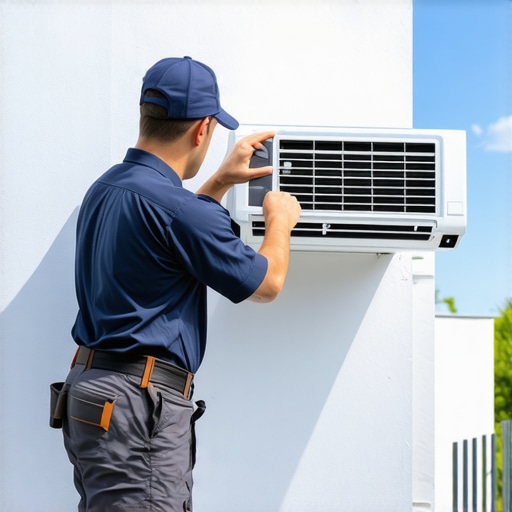
Last summer, sweat dripped down my forehead as I Fumbled with a failing window unit during a heatwave that seemed never-ending. It was a real wake-up call. I realized then that trusting makeshift cooling fixes or delaying essential upgrades only leads to more discomfort—and cost—in the long run. If you’ve ever felt that frustration, you’re not alone. Thankfully, after some trial and error, I discovered smart, effective solutions that actually keep the home cool and energy-efficient during even the hottest summers.
Why Staying Cool in 2024 Matters More Than Ever
The reality of escalating temperatures is undeniable. Experts predict that in 2024, reliable cooling will be a necessity, not just a luxury. Yet, so many of us still suffer through sweltering nights and sticky days, unsure of whether our current systems can handle the heat. I’ve been there, and I understand how overwhelming it can seem to choose the right cooling method. That’s why I want to share my experience—because a good AC isn’t just about comfort; it’s about health, productivity, and peace of mind.
Have you faced days when your old AC just couldn’t keep up? If yes, then you’re ready to explore better options that really work.
Is Mini-Split Technology Actually Worth the Hype?
When I first heard about mini-splits, I was skeptical. As with many homeowners, I’d been conditioned to think traditional central systems were the only reliable choice. My early mistake was overlooking the benefits of ductless systems, thinking they were just for small or tricky spaces. It turns out, mini-splits are game-changers for efficiency and flexibility—and they can be a real lifesaver in hot climates. According to recent research, mini-split systems can deliver up to 30% energy savings compared to traditional units, making them not only effective but cost-efficient. Want to know how to choose the right system for your home? Keep reading, because I’m about to walk you through the practical steps that made my summer much more bearable.
Start with Proper Sizing to Ensure Efficiency
When I installed my first mini-split, I made the mistake of choosing a unit based on the size of my room without considering insulation and layout. To get it right, measure your space accurately and consult the mini-split systems guide. I learned that an undersized unit struggles to cool or heat effectively, while an oversized one cycles frequently, wasting energy. Use a load calculation or online sizing tools to select the right capacity, which will save you upfront costs and ongoing energy bills.
Prepare a Clear Installation Plan to Avoid Future Hassles
During my DIY mini-split install, I studied my home’s electrical wiring, wall space, and outdoor clearance. I mapped out cable routes and power sources beforehand, referencing the installation tips. This preparation streamlined the process and prevented surprises like incompatible wiring or inaccessible mounting spots. Remember, a well-planned setup cuts down on troubleshooting later and boosts system longevity.
Prioritize Proper Placement for Maximum Efficiency
I placed the indoor air handler high on a wall, avoiding direct sunlight or obstructed airflow, which I learned from the best placement practices. During installation, I checked airflow direction and sealed around the unit to prevent leaks. Correct placement ensures uniform cooling or heating, reduces energy consumption, and maximizes comfort. Think of it like hanging a picture; the right height and position make all the difference in appearance and function.
Secure Connections and Test Thoroughly
After mounting the unit, I tightened all electrical and refrigerant connections as advised. I turned on the system and monitored performance, listening for unusual noises and verifying consistent airflow. I also used an infrared thermometer to check temperature differences, ensuring the system operated as expected. This step echoes the advice found in reliable service tips. A thorough test prevents issues like refrigerant leaks or electrical failures that could compromise your investment.
Maintain Regular Checks to Keep It Running Smoothly
Once installed, I scheduled routine maintenance, including cleaning filters monthly and inspecting the outdoor unit for debris. I found that keeping the coils clean and filters fresh significantly improved efficiency, as detailed in the maintenance tips. Additionally, I kept an eye out for unusual vibrations or noises, which could indicate underlying problems. Regular maintenance not only extends your system’s lifespan but also sustains its energy savings and reliable performance.
Many homeowners assume that repairing a furnace or installing a mini-split system is straightforward—simply replace a part or mount the unit—and you’re done. However, this oversimplification often leads to costly mistakes. A common myth is that as long as the system turns on, it’s functioning optimally. In reality, many issues stem from nuanced factors like improper airflow, inadequate insulation, or incorrect sizing, which can cause efficiency losses and system failures over time.
Can Small Oversights Lead to Major HVAC Failures?
Absolutely. For example, neglecting proper airflow balance can cause uneven heating or cooling, increasing energy bills and reducing comfort. According to experts, such as those at reliable heating service guides, many failures are rooted in overlooked details during installation or repair, highlighting the importance of a meticulous approach.
Another advanced mistake is ignoring the importance of system matching. Modern HVAC systems, including mini-splits, are most efficient when their components are designed to work together precisely. Using mismatched sizes or incompatible units can diminish performance and increase wear. This nuance is especially critical with mini-split systems, which require careful calibration and placement for optimal energy savings. The mini-split solutions guide emphasizes this point.
One trap to avoid is undervaluing routine maintenance. Regular inspections, filter changes, and refrigerant level checks are not just about prolonging your system’s life—they also catch inefficiencies early. A study from the energy efficiency research shows that neglecting maintenance can increase energy consumption by up to 20%.
For those seeking deeper insights, understanding the complex interaction between thermal load calculations, duct design, and system capacity is vital. Oversights here can lead to inadequate heating or cooling, especially in variable climates. HVAC professionals with a keen eye for these factors can prevent many common pitfalls and ensure lasting comfort.
Have you ever fallen into this trap? Let me know in the comments.
Keeping HVAC Systems Running Smoothly with the Right Tools
As someone who’s been in the trenches maintaining and repairing HVAC systems, I can attest that having the right tools isn’t just about convenience—it’s about ensuring safety, efficiency, and longevity. One tool I rely on heavily is a high-quality digital refrigerant manifold gauge set. This device allows me to accurately measure pressure and refrigerant levels, helping prevent costly leaks and ensuring optimal system performance. I personally prefer models with Bluetooth capability, like the Fieldpiece SMAN Refrigerant Set, because they sync with my smartphone, making troubleshooting on the fly much easier.
Another essential is a digital multimeter, which I use to verify electrical connections and troubleshoot faults efficiently. I opt for a clamp-style multimeter with a low impedance setting because it helps me detect parasitic draws that could otherwise go unnoticed. Regular calibration of these tools ensures accuracy, which directly translates to better diagnostics and fewer return visits.
Leveraging Software to Enhance Maintenance
While physical tools are indispensable, modern HVAC maintenance increasingly benefits from specialized software. I utilize programs like HVAC Rescue to interpret diagnostic data, monitor system performance, and even forecast potential failures. These tools analyze parameters like superheat, subcooling, and airflow data, providing insights that go beyond simple gauge readings. Investing time in learning such software can drastically reduce troubleshooting time and improve long-term system reliability.
Long-Term Care: Scheduling and Documentation
To truly benefit from my tools, I maintain detailed logs of system measurements, repairs, and inspections. I recommend using digital apps like HVAC Pro to track service history and schedule preventive maintenance. This proactive approach catches issues early, extends equipment lifespan, and saves money down the line.
How do I keep my HVAC systems performing at their best over time?
Regular maintenance is key. This includes changing filters monthly, cleaning coils annually, and inspecting electrical connections thoroughly. Additionally, always use calibrated tools for accurate diagnostics and follow manufacturer guidelines for calibration and testing. As research from reliable repair professionals suggests, systematic and precise diagnostics prevent small issues from escalating. For your next service, try integrating a Bluetooth-enabled refrigerant gauge and digital monitoring software to elevate your maintenance routine. Doing so will streamline your workflow, improve accuracy, and ensure your system remains efficient and reliable for years to come.
What I Wish I Knew Before Jumping Into HVAC Fixes
One of the most valuable lessons I learned was the importance of patience. Rushing into repairs or installations without proper planning often led to costly mistakes and setbacks. Taking the time to understand each component’s role and ensuring precise measurements saved me (and my systems) from unnecessary stress.
Another lightbulb moment was realizing that not every tool is created equal. Investing in quality diagnostic tools, like Bluetooth-enabled refrigerant gauges, truly paid off by providing more accurate readings and preventing future headaches. It became clear that quality tools are an investment in long-term reliability.
I also discovered that trusting experts when unsure can be more beneficial than attempting to DIY complex systems. Consulting with professionals, especially for systems like mini-splits, ensures safety and optimal performance, saving time and money in the end.
Key Resources to Elevate Your HVAC Game
For anyone serious about mastering HVAC maintenance and upgrades, I recommend starting with trusted guides such as the Ultimate Guide to Mini-Split Systems in 2024. It offers comprehensive advice that helped me avoid common pitfalls. Additionally, tools like the reliable furnace repair resources have provided step-by-step instructions which boosted my confidence. And don’t overlook scheduling software like HVAC Pro; keeping well-documented logs is a game-changer for ongoing system health.
Your Next Step Toward HVAC Confidence
Armed with insights and the right tools, you can take control of your home’s comfort. Whether it’s selecting the perfect mini-split or performing routine maintenance, remember that patience, education, and seeking professional advice when needed are your best allies. Embrace the learning journey, and you’ll enjoy a more comfortable, energy-efficient home for years to come. Ready to troubleshoot your system or upgrade your setup? Dive into the resources mentioned and start making confident decisions today. How have your HVAC experiences shaped your understanding of home comfort? Share your story below!