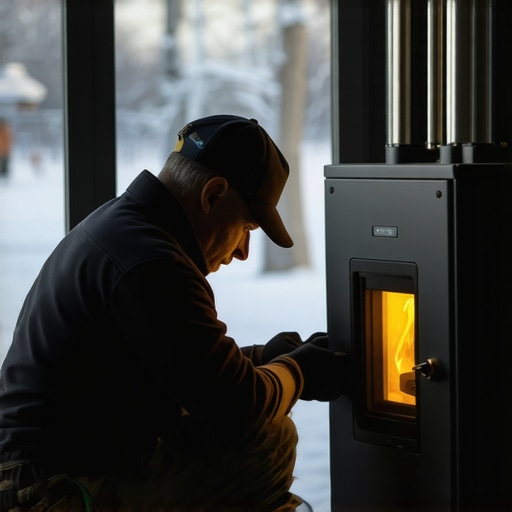
I remember a chilly night last winter when my furnace suddenly decided to give up just as temperatures dropped below freezing. There I was, huddled under blankets, cursing my own negligence for not paying attention to earlier warning signs. That moment was a real lightbulb for me—if I wanted a warm, stress-free winter, I needed to get serious about my heating system. And I bet many of you have faced something similar, scrambling to fix a furnace when the cold seeps in too quickly.
Why Winters Become Surprisingly Challenging Without Reliable Heating
In my experience, winter surprises aren’t just about snow or icy roads—they’re often about the chaos that unfolds when your home’s heating falters. The cold can creep in fast, making every minute feel like an eternity of shivering and discomfort. What struck me then was how easily many homeowners neglect preventive maintenance, thinking they can patch things up last minute. But I learned the hard way—skipping regular heating checkups or ignoring small issues can lead to big, cold problems when you least expect them.
Research shows that nearly 60% of furnace failures happen during peak cold months because of neglected maintenance (source: [Energy.gov](https://www.energy.gov)). Early on, I made the mistake of waiting for my furnace to break before calling in a pro. Trust me—this is a rookie move. Regular [heating system maintenance](https://climatemasterzhvac.com/heating-system-maintenance-top-tips-for-reliable-warmth-in-2024) can prevent those uncomfortable nights, save you money, and extend your system’s lifespan. That realization changed my approach completely.
Today, I want to share with you the proven strategies I’ve picked up—some from personal trial and error, others from trusted experts—that will help you prepare for a cozy, worry-free winter. But first, have you ever faced the sudden cold snap catching your heating system off guard? If yes, keep reading—because the next section is about the most common pitfalls and how to avoid them seamlessly.
Perform Full System Inspections Regularly
Start by visually examining your furnace or mini-split, looking for dust, corrosion, or loose wires. I once found a frayed wire on my furnace during a routine check, which if unnoticed, could have caused a malfunction during the coldest night. Turn off the unit, remove accessible panels, and check for obvious issues. For detailed guidance, visit our comprehensive furnace repair tips.
Change Air Filters Every Few Months
This simple step greatly impacts your system’s efficiency. I neglected this once and noticed decreased airflow, leading to higher energy bills. Replace filters with high-quality ones suited to your system—this minimizes strain and prevents dirt buildup. Think of it like changing socks; fresh filters keep your system breathing easy and running smoothly.
Clean and Clear Vents and Ducts
Obstructed vents reduce airflow, making your system work harder. I removed accumulated dust and debris from my vents—a quick task that resulted in warmer rooms and quieter operation. Use a vacuum or a brush to clean vent covers and ensure no furniture blocks airflow pathways. Proper ventilation is the lungs of your heating system; keep it unobstructed.
Schedule Professional Preventive Maintenance
While some steps are DIY, a qualified technician provides a thorough checkup. I booked a visit from experts who inspected my entire HVAC system, cleaning components and testing operation. This proactive approach catches minor issues before they turn into costly repairs. Discover more about professional heating maintenance here.
Test the Thermostat and Controls
Ensure your thermostat accurately registers temperature and responds appropriately. I once set my thermostat higher than needed, only to find my system wasn’t heating correctly because of a calibration error. Replace batteries if applicable, and consider upgrading to a programmable thermostat for better control and efficiency.
Inspect and Seal Ductwork for Leaks
Leaky ducts waste a significant amount of heated air. I used a simple soap-and-water solution to find leaks in accessible ducts, sealing them with mastic or metal tape. Properly sealed ductwork ensures warm air reaches every room, reducing energy costs and increasing comfort. For complex issues, professional duct sealing can be highly effective; learn more at HVAC installation tips.
Upgrade to Energy-Efficient Equipment When Necessary
If your system is outdated or frequently breaking down, consider investing in a new, energy-efficient model. I decided to replace my 15-year-old furnace, which not only improved heating performance but also lowered my utility bills. Modern units come with smart features and better insulation, providing reliable warmth through the coldest months. Explore options for cost-effective furnace upgrades.
Many homeowners believe that if their heater or AC functions, their job is done, but in my experience, this misconception can lead to costly mistakes. One widespread myth is that choosing the cheapest service or equipment guarantees savings, yet often, cutting corners results in poor performance and higher long-term costs. It’s crucial to understand that quality maintenance and proper installation are investments that pay off through efficiency and durability.
Are DIY Repairs Ever Worth It, or Do They Hide More Problems?
Many assume that minor fixes can be handled without professional help. However, ignoring nuanced issues—like subtle duct leaks or thermostat calibration errors—can undermine your system’s reliability. For instance, overlooking duct sealing can waste up to 30% of heated or cooled air, leading to increased energy bills and uneven temperatures. Relying solely on DIY solutions without proper knowledge can inadvertently cause more damage. According to expert insights, scheduling professional inspections and maintenance is essential for uncovering hidden problems and ensuring optimal performance.
Another common misconception is that all heating and cooling systems are created equal, which isn’t true. Modern mini-split systems, for example, are often misjudged as only suitable for small spaces, but their advanced inverter technology makes them highly energy-efficient and versatile for whole-home comfort when properly installed. Many pitfalls occur when homeowners select systems without considering precise sizing, placement, or specific lifestyle needs. This is why consulting with experts for tailored solutions—like those detailed in our comprehensive mini-split installation strategies—can prevent costly mismatches and provide lasting comfort.
Furthermore, the misconception that regular maintenance isn’t necessary if the system is silent is dangerous. Small issues such as dirty filters or insufficient refrigerant levels may not produce immediate symptoms but will erode efficiency over time. As highlighted in recent studies, neglecting routine heating system maintenance can drastically reduce system lifespan and inflate utility bills. The ‘oops’ here is waiting for complete system failure before acting, which often leads to emergency repairs that are much more costly.
In essence, the real secret lies in understanding the nuanced interplay of system components, proper sizing, and scheduled professional care. Relying solely on myths like ‘cheaper is better’ or ‘if it works, it’s fine’ can backfire during the coldest or hottest days. My advice: don’t fall for oversimplified beliefs. Instead, invest in ongoing maintenance, seek expert advice for equipment choices, and prioritize quality over initial savings. Want to ensure your home remains comfortable year-round? Explore our trusted HVAC installation tips and avoid common pitfalls. Have you ever fallen into this trap? Let me know in the comments.Maintaining your heating system’s performance over the long term requires more than just routine checks; it demands the right tools and a proactive approach. Personally, I swear by a digital refrigerant leak detector—like the Inficon D600—because it helps me swiftly identify refrigerant leaks in mini-split units, ensuring optimal efficiency and preventing costly repairs. Additionally, a good multimeter, such as the Fluke 117, is indispensable for diagnosing electrical issues, from faulty thermostats to faulty wiring connections. Using a handheld anemometer like the Extech 445 to measure airflow at vents helps confirm that your ductwork delivers adequate airflow, which I check monthly during maintenance rounds.
For system documentation and scheduling, I rely on HVAC-specific software like Hippo HVAC Software—it keeps track of maintenance logs, alerts me when filters need changing, and schedules professional inspections automatically. Implementing remote monitoring systems, such as the Nest Learning Thermostat or Ecobee SmartThermostats, allows me to keep an eye on system performance and catch anomalies early, like unusual power consumption or temperature fluctuations, which could signal underlying problems.
When it comes to preventive maintenance, I recommend setting up a regular inspection routine that includes testing electrical components, inspecting ductwork, cleaning coils, and checking refrigerant levels. According to industry standards, using a digital manifold gauge set ensures precise readings when verifying refrigerant charges, aligning with best practices outlined by HVAC experts. Regularly calibrating thermostats with a digital thermometer guarantees accurate temperature readings, preventing over- or under-heating.
Looking ahead, I predict that advancements in smart diagnostics and IoT integration will make maintenance even more efficient—imagine systems that automatically alert you to issues before they manifest as discomfort or breakdowns.
**How do I maintain my heating system over time?** The key is employing the right tools—regularly inspecting with high-quality diagnostic devices helps prevent surprises when temperatures plummet. Don’t forget to document each check and schedule professional tune-ups annually. To get started, I suggest trying out a digital refrigerant leak detector or integrating a smart thermostat into your system; these can provide immediate insights and long-term savings. For comprehensive guidance, always refer to trusted resources and follow a structured maintenance plan. Ready to enhance your system’s durability? Invest in a reliable multimeter and digital monitoring tools today, and you’ll thank yourself during the coldest nights.
What I Didn’t Know About Balancing Efficiency and Longevity
Early on, I underestimated the importance of fine-tuning my heating system beyond just routine maintenance, realizing that adjusting airflow and thermostat calibration can extend equipment lifespan significantly. I also discovered that investing in quality duct sealing saves money in the long run, even if it seems tedious initially. Lastly, I learned that embracing smart technology, like remote monitoring, provides peace of mind and detects issues before they escalate, ensuring a worry-free winter.
My Go-To Gear for Winter Readiness
My essential toolkit now includes a reliable refrigerant leak detector to catch leaks early, a digital multimeter for electrical diagnostics, and a handheld airflow meter to verify duct performance. These tools, vetted by industry pros, have transformed my approach from reactive to proactive. For trusted resources, I turn to expert guides on maintenance and reliable HVAC tips that deepen my understanding and help me make informed decisions.
Make Your Home Winter-Resilient Today
Don’t let common misconceptions or lack of preparation catch you off guard—take action now to ensure your heating system performs reliably when temperatures drop. Embrace proactive checks, invest in quality upgrades, and leverage technology to stay ahead of potential issues. Your best winter ever starts with the choices you make today. Are you ready to take control of your home’s comfort?