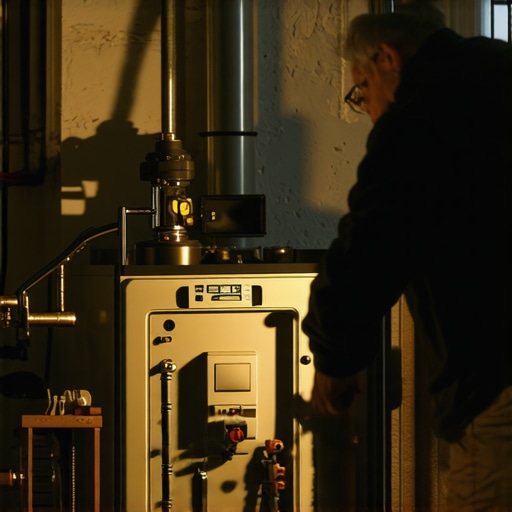
It was a cold Sunday morning when I woke up to the chilling realization—my furnace was making strange noises, and the house hadn’t warmed up as it usually does. I had ignored the signs, thinking I could patch things up myself or wait until the last minute. That was a mistake. I remember shivering under a blanket, wishing I had taken preventive measures earlier. If you’ve ever faced a similar situation, you know how stressful and uncomfortable it can be. The good news? With a few proven strategies, you can ensure your home stays warm all winter long without the panic of sudden failures.
Why Preparing Your Heating System Matters Now More Than Ever
In climates where winter temperatures plunge consistently, your heating system isn’t just a comfort—it’s a necessity. Surprisingly, according to the Department of Energy, proper maintenance can improve furnace efficiency by up to 30%, saving you money and reducing energy consumption. Yet, many homeowners delay inspecting or repairing their systems until it’s too late, often finding themselves shivering and scrambling for solutions.
As someone who’s been through the cold snap of an unprepared furnace, I can tell you that neglecting proper maintenance is a gamble you don’t want to take. Early-season checks can highlight issues before they turn into costly repairs or complete breakdowns. Think of it as giving your home a winter-ready boost—much like preparing your car for icy roads. Not sure where to start? That’s exactly what we’ll cover next, guiding you through reliable, practical steps to keep your home cozy.
Is Investing in Routine Heating Checks Worth the Hype
Initially, I dismissed routine checks as unnecessary overhead. I thought if it worked last year, it should be fine this year, right? Wrong. My mistake was waiting too long to call a professional, which led to an emergency repair mid-winter. Trust me—the cost and discomfort far outweigh the small effort of regular maintenance. If you want to avoid the same hassle, learning from my experience can save you time, money, and sleepless nights.
Inspect Your Thermostat and Air Filters Regularly
Start by checking your thermostat settings—ensure it’s calibrated and functioning correctly. I once ignored a loose connection, which caused my system to cycle improperly, leading to increased energy bills. Replacing or cleaning air filters every 1-3 months maintains airflow efficiency.
Test and Clean Your Heating Components
Turn off power, remove access panels, and visually inspect components like igniters, filters, and blower motors. When I cleaned my blower motor, I noticed the system ran quieter and more efficiently. Use a vacuum with a brush attachment to clear dust and debris.
Schedule Professional Maintenance Early
Arrange for a licensed technician to perform a comprehensive check-up before peak season. I booked mine in September after reading this guide, preventing last-minute rushes and costly repairs.
Upgrade to a Smart Thermostat
Installing a smart thermostat allows precise control and energy savings. I installed one last fall; it learned my schedule and reduced heating when I was away, slashing my utility bills.
Evaluate Your Heating System’s Efficiency
Perform an energy audit or consult with an expert to see if your system needs upgrading. When my old furnace started frequent breakdowns, I invested in a high-efficiency model, which has paid off through reduced maintenance costs.
Maintain Ventilation and Ductwork
Ensure ducts are sealed and insulated to prevent heat loss. I sealed a few leaks myself with foil tape, which noticeably improved airflow and warmth distribution.
Monitor System Performance During Cold Snaps
Keep an eye on how your system responds during cold weather. Last winter, I noticed inconsistent heating; scheduling professional repairs restored system reliability.
Maintain Safety Devices and Keep Vents Clear
Test safety switches, carbon monoxide detectors, and keep vents unobstructed. I learned firsthand how blocked vents can cause back-pressure, reducing efficiency and creating safety risks.
Adopting these concrete steps ensures your home remains warm and energy-efficient throughout winter, avoiding the pain and expense of sudden failures. Regular maintenance and proactive upgrades are your best defense against cold-weather discomfort.Many homeowners operate under common assumptions about HVAC installation and repair that can lead to costly mistakes. For instance, a widespread myth is that choosing the cheapest contractor guarantees savings, but in reality, experienced professionals often deliver long-term value through precise installation and proper system sizing. Cutting corners here can cause inefficiencies and shorten equipment lifespan. Additionally, a frequent oversight involves neglecting the importance of ductwork design in mini-split systems; improper placement or inadequate insulation can drastically reduce their efficiency and durability. Advanced HVAC setups, like mini-splits, require nuanced understanding of airflow dynamics and load calculations, which many overlook. This gap leads to performance issues that are difficult to diagnose later. Moreover, homeowners often underestimate the significance of refrigerant charge accuracy during AC or heat pump installation. Overcharging or undercharging can impair system performance, increase energy bills, and harm compressor longevity. A key mistake is trusting intuitive guesses over professional measurements, emphasizing the need for precise gauges and expertise. Beyond installation, many believe that frequent repairs can indefinitely extend system life, but neglecting preventive maintenance, such as filter changes or cleaning coils, accelerates wear and risks sudden breakdowns. Expert sources confirm that proactive servicing reduces emergency calls and improves efficiency, ultimately saving money. For those considering furnace upgrades, understanding city regulations and energy codes is essential but often ignored, leading to legal issues or inefficient installations. To optimize your HVAC investments, always prioritize hiring licensed, experienced technicians who follow best practices and industry standards. To explore smarter approaches, learn about trusted furnace repair tips or read about mini-split installation strategies. Do you ever fall into these traps? Let me know in the comments.Maintaining your heating, ventilation, and air conditioning (HVAC) systems requires more than just basic inspections; it demands precision tools and proven methods to ensure long-term performance. One essential device I rely on is a digital manifold gauge set. Unlike older analog models, my digital manifold provides instant readings of refrigerant pressures, allowing me to efficiently diagnose leaks or improper charges during mini-split or traditional furnace servicing. This technology minimizes guesswork, ensuring accurate refrigerant levels and prolonging system lifespan.
For ongoing filter and component inspections, I use a high-resolution inspection camera. Its compact design lets me peer into tight spaces and identify issues like mold buildup or foreign debris early, preventing costly repairs down the line. Having these visual insights means I can recommend targeted solutions rather than perform unnecessary replacements, saving homeowners money.
Advanced software tools have also transformed my approach. I utilize HVAC diagnostic apps on my tablet that sync with compatible equipment, providing real-time system performance data. These apps help me track system cycle times, analyze temperature differentials, and flag irregularities immediately. As technology advances, I predict a future where AI-driven diagnostics will offer predictive maintenance alerts, further reducing emergency repairs and improving energy efficiency.
How do I maintain HVAC systems over time? Consistent calibration of diagnostic tools is key. I schedule quarterly checks using certified calibration kits to ensure my gauges and measurement devices remain accurate, especially before peak seasons. Combining these tools with a disciplined maintenance routine ensures systems operate at peak efficiency and longevity.
If you’re serious about reliable heating and cooling, I recommend investing in a digital manifold gauge set and a high-quality inspection camera. These tools enable quick, precise diagnostics, reduce service time, and help maintain optimal system health. Remember, staying ahead with proper tools and techniques not only enhances system performance but also extends its lifespan, ultimately saving money. For expert guidance on system tune-ups, you might explore detailed tips at trusted repair advice. Try integrating digital gauges into your next maintenance routine and experience how accuracy boosts confidence and efficiency.
What I Wish I Knew Before Jumping Into HVAC Repair
One of the most valuable lessons I learned was the importance of precise diagnostic tools. Relying solely on traditional gauges or guesswork can lead to missed issues and repeated service calls. Investing in a digital manifold gauge set changed my troubleshooting game, allowing me to pinpoint refrigerant problems with confidence.
Secondly, the myth that DIY fixes are always cost-effective proved true only to a point. While preventive maintenance is key, knowing when to call a professional can prevent costly mistakes and further system damage. I realized that trusting experienced technicians from trusted sources is an investment into longevity and performance.
My Favorite Tools That Elevate My HVAC Work
Beyond gauges, I swear by a high-resolution inspection camera. It helps me spot issues like mold buildup or duct leaks that aren’t visible to the naked eye. Using reliable software on my tablet for real-time diagnostics allows me to analyze system performance over time, leading to proactive maintenance rather than reactive repairs.
If you’re serious about the quality of your HVAC work, exploring recommended resources like the mini-split installation strategies or the ultimate guide to AC installation can offer insights that save you money and headaches down the line.
Embrace Your Influence on Indoor Comfort
Remember, the way you maintain and upgrade your HVAC system directly impacts your home’s comfort and your energy bills. Every small step taken today, whether it’s upgrading to a smart thermostat or sealing duct leaks, builds toward a warmer, more efficient future. Don’t wait for a cold snap to realize the importance of proactive care—start now, and enjoy the benefits all year round.
What’s the most unexpected lesson you’ve learned in maintaining your HVAC system? Share below—I’d love to hear your experiences and tips!