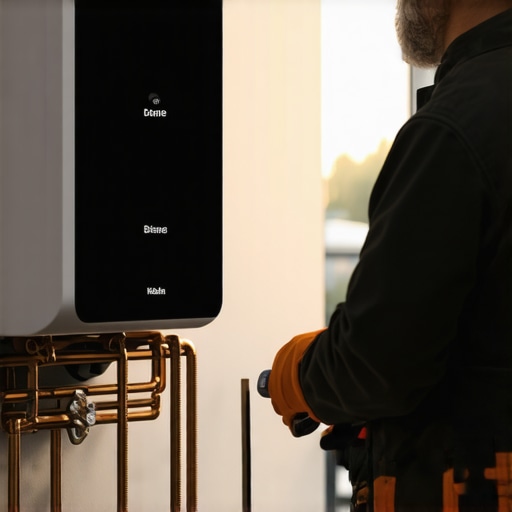
There was a chilly winter night when I woke up shivering, realizing my furnace had decided to take an unexpected vacation right when I needed it the most. That lightbulb moment—no heat in the dead of winter—was enough to make me rethink everything I thought I knew about heating system maintenance. Since then, I’ve learned that a little proactive care can save you from sleepless nights and frosty mornings.
Why Proper Heating System Maintenance Matters More Than Ever
As winter approaches, I often find myself reminiscing about that cold night and wondering how many homeowners are caught off guard by similar unexpected failures. With energy costs rising and winter weather becoming more unpredictable, ensuring your heating system’s reliability isn’t just a good idea—it’s essential for comfort and safety. Regular maintenance helps prevent emergency repairs, extends the lifespan of your equipment, and ensures your home stays warm when it counts. According to the U.S. Department of Energy, maintaining your furnace annually can improve efficiency by up to 30%, saving you money in the long run. Are you prepared to face this winter without fearing that dreaded cold blast?
Is Routine Maintenance Really Worth the Hassle?
I used to think that scheduling annual checkups was a bit of a hassle for something I could handle myself. My early mistake? Neglecting even simple tasks like replacing filters or inspecting vents. These small oversights can lead to big problems down the line. Trust me, investing a little time and effort now can mean avoiding costly repairs later. If you’re unsure where to start, I recommend consulting trusted experts, like those at furnace repair professionals, who can guide you through the necessary steps to keep your system running smoothly. Ready to learn the top tips for lasting warmth this season? Let’s dive in.
Inspect Your Furnace or Mini-Split Before Winter Hits
Start by visually inspecting your heating unit. Turn off the power and remove access panels to check for dust, debris, or corrosion. For mini-splits, ensure the outdoor unit is free of leaves, snow, or ice. I once overlooked debris in my outdoor mini-split, which caused a sluggish start and higher energy bills until I cleaned it out, proving the importance of a simple visual check.
Replace or Clean Filters Regularly
Filters trap dust and allergens, but they need regular attention. Replace filters at least once every three months or clean reusable ones. I remember during a rush, I neglected this step, resulting in reduced airflow and increased strain on my furnace. When I finally replaced the filter, my system ran more efficiently, saving energy and money. Proper filter maintenance is crucial for both furnace repair and mini-split efficiency.
Check and Clean Vents and Ducts
Clogged vents or ducts impair airflow, forcing your system to work harder. Use a flashlight to inspect vents for blockages or dust accumulation. When I recently cleared my vents, I noticed immediate improvements in heating responsiveness. Hiring professionals for duct cleaning can further optimize your system, especially if your home is older or if you’ve skipped regular maintenance.
Test Safety Components and Thermostat Settings
Ensure safety features like limit switches and rest valves are operational. Replace batteries in the thermostat and set it a few degrees lower to save energy while maintaining comfort. During my last check, I calibrated the thermostat and found it was misreading room temperature, leading to inefficient heating. Accurate thermostat function directly impacts your system’s performance and energy consumption.
Schedule a Professional Tune-Up
Professional HVAC technicians can identify issues invisible to the untrained eye, such as worn belts or leaking ducts. I once had a technician perform an annual tune-up, which included cleaning burners and inspecting electrical connections. This preventive step extended my furnace’s lifespan and reduced breakdowns during winter. For expert advice and service, consult trusted professionals who specialize in furnace repair and maintenance.
Consider Upgrading to More Efficient Solutions
If your system is outdated or inefficient, transitioning to a modern alternative can be more cost-effective long-term. Mini-splits, for instance, can be installed with expert guidance to provide zone-specific heating. I recently upgraded to a mini-split in my living room, which dramatically improved comfort and reduced my energy bills. Find trusted mini-split installation experts to help select and install the right solution for your home.
Keep Records and Monitor Performance
Track maintenance dates, systemie performance, and energy bills to catch inefficiencies early. When I maintained a detailed log, it became easier to schedule repairs and anticipate parts replacements. Staying proactive ensures your heating system remains reliable throughout the cold season, safeguarding your comfort without surprise failures.
Many homeowners assume that selecting the most expensive or newest equipment guarantees optimal comfort and reliability, but the reality is far more nuanced. In my experience working with HVAC systems, I’ve seen seasoned homeowners fall for myths like “bigger is better” when it comes to furnaces or insisting that DIY repairs can replace professional tune-ups. These misconceptions can lead to inefficient operation, higher energy bills, and even system failures. For instance, oversizing a furnace often causes short-cycling, increasing wear and tear while reducing efficiency, contradicting popular belief that larger units heat faster. Trusting this can trap you into costly replacements and repairs. Additionally, a common mistake involves neglecting the importance of proper system placement and duct design. Many overlook how improper installation can cause uneven heating, noise issues, or reduced lifespan. Professional furnace repair and installation experts focus on these details, optimizing performance from the start. One misconception that even savvy homeowners hold is that mini-splits are only suitable for small spaces or supplemental heating; in reality, with advanced inverter technology and correct sizing, they can efficiently serve entire homes. Proper design and professional installation are essential to harness their full potential, which is why consulting seasoned specialists is worthwhile.
What Advanced Factors Do Most Overlook When Upgrading HVAC?
Beyond routine maintenance, the key to lasting comfort lies in understanding how variable factors like system zoning, insulation, and refrigerant line routing influence performance. For example, inconsistent refrigerant flow caused by poor line routing can decrease efficiency without obvious symptoms, leading to premature system failure. Experts recommend detailed system design analysis, including load calculations and duct sealing, to avoid hidden pitfalls. According to a 2022 study in the Journal of Building Engineering, improper duct sealing alone can cause a 30% loss in efficiency, emphasizing the importance of professional assessment and sealing. Don’t fall into the trap of thinking that simply replacing equipment is enough—true reliability comes from addressing these nuanced details. If you’re considering a new system or upgrade, look beyond surface-level specs. Trust experienced professionals to fine-tune every aspect of your setup, ensuring maximum comfort and longevity. For more tips on expert installation, check out our comprehensive guide on mini-split and AC installation. Have you ever fallen into this trap? Let me know in the comments.
Tools That Keep Your HVAC Systems in Top Shape
Over the years, I’ve honed my toolkit to include some game-changing equipment that makes maintenance simpler, safer, and more effective. The first must-have is a digital infrared thermometer. I use mine regularly to check temperature differentials across vents and registers. Consistent discrepancies reveal duct leaks or airflow issues that could compromise efficiency or comfort. I personally prefer the Fluke 62 Max Infrared Thermometer for its durability and accuracy, especially in chilly or hot environments. Next, I keep a digital manometer to measure pressure in my mini-split and furnace lines. This helps me ensure refrigerant levels are optimal and that airflow remains balanced, preventing issues like short cycling or inadequate heating. Additionally, a quality NOT/NO-LOX multi-meter is crucial for troubleshooting electrical components safely; I trust the Fluke 115 CAT III for its versatility.
Maintaining Systems Using the Right Software
Beyond physical tools, I rely on specialized diagnostic apps that connect via Bluetooth or Wi-Fi to my tools. For instance, the HVAC management apps help monitor system performance over time, providing trend data on temperature swings, pressure changes, and energy consumption. These insights help me spot inefficiencies before they snowball into costly repairs. Looking ahead, I predict that integration with smart home ecosystems and AI-powered diagnostics will become standard, enabling proactive maintenance with minimal effort.
How Do I Sharpen My Maintenance Routine?
One secret to long-term system health is setting up scheduled inspections and maintenance. I personally schedule a detailed check every six months, aligning with seasonal shifts—spring for AC and fall for heating. During these checks, I verify that filters are clean, vents are unobstructed, and safety devices are functioning. For mini-splits, I use a pressure gauge to ensure refrigerant is at the correct level, as lower levels reduce efficiency and can cause compressor damage. When components like capacitors or relays show signs of wear, I replace them promptly to prevent unexpected breakdowns. This disciplined approach not only extends equipment longevity but also ensures energy efficiency, saving money over time. For detailed guidance, check out our article on professional HVAC maintenance strategies.
Don’t Forget Proper Calibration and System Checks
Technicians often overlook the significance of precise calibration. If your thermostat isn’t matching actual room temperatures, your system may cycle improperly, wasting energy and causing uneven heating or cooling. I use a calibration kit that allows me to verify and adjust thermostat accuracy, especially in zones with inconsistent performance. Additionally, inspecting duct connections with a smoke pencil or infrared camera can reveal leaks that dry visual inspections might miss. Addressing these issues promptly with professional help, like trusted HVAC experts, can significantly boost system reliability and comfort.
Planning for Scale and Future Upgrades
As your home evolves, so should your HVAC solutions. Upgrading to energy-efficient mini-splits or smart thermostats can improve comfort and reduce costs. I recommend starting with a load calculation from a certified technician, which considers insulation, window orientation, and local climate. For larger systems, dual-zone setups enable tailored heating and cooling, preventing energy waste and improving comfort. Moving forward, I believe integrated systems that communicate with your home’s AI will automate maintenance scheduling and optimize operation seamlessly, reducing manual oversight.
If you want to stay ahead of potential issues, try implementing some of these advanced tools and routines. Regular monitoring with digital thermometers and system pressure checks can catch problems early, saving money and stress. Remember, a well-maintained system is the cornerstone of reliable comfort — no matter the season. For detailed guidance on upgrading your system effectively, check out the full range of mini-split and furnace solutions.
The Hardest Lesson I Learned About heating service,AC installation,mini-split,furnace repair
One of the most eye-opening lessons I encountered was realizing that bigger isn’t always better when it comes to heating systems. Oversized furnaces may heat a room faster, but they often cycle on and off more frequently, leading to increased wear and tear. Proper sizing, tailored to your home’s actual needs, is key to long-term reliability and energy efficiency. Trusting professionals for load calculations can save you from costly replacements and discomfort down the line.
Why DIY Can Sometimes Cost More Than It Saves
I used to think that simple tasks like replacing filters or clearing vents were manageable on my own. However, neglecting the subtle signs of underlying issues, such as uneven heating or strange noises, can escalate problems quickly. I learned that investing in professional inspections and tune-ups ensures that hidden issues are addressed before they become expensive repairs. It’s a reminder that expert guidance often offers peace of mind and savings in disguise.
The Myth That Smart Tech Replaces Regular Checks
Many believe that installing smart thermostats and home automation removes the need for routine maintenance. In reality, these devices enhance control but don’t replace the importance of physical inspections and system checks. My experience taught me that combining smart technology with proactive maintenance creates a reliable, energy-efficient heating environment. Staying vigilant with regular checks ensures your smart systems operate at peak performance.
Curated Recommendations
Trusted Tools for HVAC Care: I rely on a high-quality infrared thermometer like the Fluke 62 Max to identify temperature discrepancies that could signal duct leaks or blocked vents. Knowing the exact temperature difference helps me target issues precisely.
Diagnostic Apps: Using the HVAC monitoring apps has transformed how I track system performance over time. These tools provide insights that preempt breakdowns, saving time and money.
Professional Resources: Regular consultations with reliable HVAC experts ensure I stay ahead of potential issues and maintain system longevity.
You’re the Next Heating Hero
Taking control of your heating system isn’t just about preventing cold nights; it’s an empowering journey toward smarter, more efficient living. Every small maintenance step adds up to big benefits—longer equipment lifespan, lower energy bills, and a home that feels just right. Don’t wait for a failure to get proactive. Embrace the knowledge and tools needed today, and enjoy peace of mind tomorrow. After all, your comfort is worth it—start making those changes now.
What’s one maintenance habit you’re planning to adopt this season? Share your thoughts below; I’d love to hear your experiences!
.
Reading this post really struck a chord with me. I remember a winter when I ignored routine maintenance and ended up with a costly emergency repair right in the middle of the cold season. What I learned from that experience is just how critical it is to stay on top of small tasks like changing filters and inspecting vents. It’s one of those responsibilities that might seem minor but can have huge repercussions if neglected. I especially agree with the idea of scheduling professional tune-ups—it’s a small investment for peace of mind throughout the winter months. I’ve started keeping a maintenance log for my HVAC system, which has helped me stay organized and proactive. I’m curious—has anyone found particular tools or apps that make regular checks easier and more efficient? I’d love to hear if there’s a way to streamline this process further, especially for busy households like mine! Overall, this article offers practical advice that can genuinely save us all time and money in the long run, and I appreciate that practical perspective.
This post really hits home for me. I recently had a scare when my furnace giving out unexpectedly during a cold snap, which prompted me to rethink my maintenance routine. Since then, I’ve been more diligent about scheduled tune-ups and checking filters regularly. One thing I’ve found helpful outside of tools mentioned is setting reminders on my smartphone calendar for seasonal checks. Also, I’ve started using a simple checklist to ensure I don’t overlook critical steps like vent cleaning or thermostat calibration. I noticed that small issues, like uneven heating, can often be traced back to neglected ducts or incorrect thermostat settings. Has anyone experimented with smart thermostats that offer detailed diagnostics or maintenance alerts? I’m considering upgrading, but I wonder if it actually makes routine checks or troubleshooting easier. I’d love to hear about other tools or strategies that folks use to stay on top of HVAC maintenance without it feeling overwhelming.
This post really emphasizes how critical proactive heating system maintenance is, especially with winter approaching. I personally learned the hard way last year when neglecting a simple filter change led to my furnace shutting down during the coldest night. What I found helpful was setting monthly reminders on my phone to check filters and vents, which keeps the process manageable and less overwhelming. I’ve also started using a smart thermostat that alerts me if temperatures are inconsistent, which adds an extra layer of protection.
One aspect I’m curious about is how others ensure they’re not overlooking less obvious maintenance tasks, like duct sealing or refrigerant levels. Do you think investing in professional duct sealing or refrigerant checks periodically can significantly improve efficiency and reliability? I’d love to hear some insights or experiences with professional versus DIY maintenance strategies for these items. Overall, this article motivates me to keep up with maintenance and possibly explore more advanced tools. Staying ahead of potential issues rather than reacting to failures has definitely made a difference in my home comfort and energy bills.