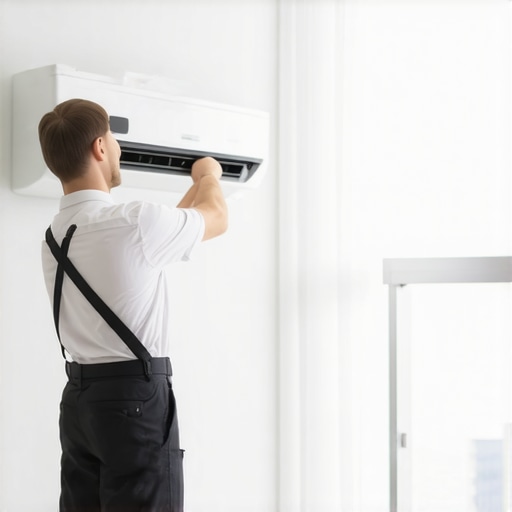
There was this one scorching summer afternoon when I found myself drenched in sweat, desperate for relief, only to realize my old AC unit was barely humming along. It was a lightbulb moment that made me realize how unprepared I was for unpredictable heatwaves and how crucial reliable cooling solutions are for comfort and well-being. If you’ve ever endured a similar meltdown, you’re not alone. Today, I’ll share how I discovered effective AC installation and mini-split strategies that truly keep me cool when the mercury soars.
Why Staying Cool Matters More Than Ever
In recent years, heatwaves have become more intense and frequent. According to the National Oceanic and Atmospheric Administration, the number of days exceeding 90°F has doubled in some regions over the last few decades. This isn’t just about comfort—it’s about health, productivity, and overall quality of life. If your AC isn’t up to par, you know how quickly a hot, stuffy home can drain your energy and mood. So, the question is: How do I keep my cool without breaking the bank or sacrificing efficiency?
Is Mini-Split AC Really a Game-Changer or Just Hype?
I’ll admit, early in my journey, I made the mistake of assuming all cooling systems are created equal. I once opted for a cheap window unit, only to find it noisy, inefficient, and inadequate for my larger space. That was a costly lesson. After researching, I learned that mini-split systems offer a flexible, energy-efficient alternative—perfect for hot climates. Not every system is right for everyone, but knowing my options has been a lifesaver. For more insights, I recommend checking out trusted mini-split solutions and how they can customize cooling in your home.
So, if you’ve faced similar frustrations or are considering an upgrade, this post will walk you through proven strategies to choose, install, and maintain cooling systems that truly stand up to summer’s worst days. Ready to cool down and boost your home’s comfort? Let’s dive into the practical steps to achieve that.
,
Select the Right System for Your Home
Start by assessing your space size and insulation quality. I once rushed into buying a mini-split without measuring wall space, which led to awkward fits and inefficient cooling. Use a reliable sizing calculator or consult professionals to determine the correct tonnage and model. Check trusted sources like trusted mini-split solutions. Proper sizing ensures energy efficiency and consistent comfort, much like choosing a suit that fits perfectly — too small or too large, and it just doesn’t look or work right.
Prepare for Installation
Inspect Existing Infrastructure
Examine your electrical panels, ductwork, and wall space. For instance, I found a hidden electrical circuit that couldn’t handle the additional load, risking safety. Upgrading your panel or rewiring may be necessary; consult a licensed electrician. Also, clear the installation area; clutter can cause delays or damage. Think of this stage as laying a foundation before building — skip it, and your cooling system might falter later.
Plan Ventilation and Accessibility
Ensure clear pathways for easy access and maintenance. I once installed a unit in a cramped corner, making future service a nightmare. Proper ventilation instructions should come with your equipment, but double-check that exhaust and airflow won’t be obstructed. This planning saves time and money down the line, similar to mapping out a route before a trip to avoid getting lost.
Execute the Installation
When installing the mini-split, follow the manufacturer’s instructions meticulously. Use a reputable contractor, or if DIY, double-check connections and sealants. You wouldn’t want leaks or electrical faults to cause problems later. I learned this firsthand when I botched sealing a line and faced refrigerant leakage, leading to costly repairs. As with assembling furniture, precision is key. Trust expert guides like expert mini-split installation strategies to avoid common pitfalls.
Test and Fine-Tune Your System
After installation, run the system on different settings to check performance. I once set my thermostat too low initially, which caused the compressor to overwork. Adjust temperature and fan speed for optimal comfort and energy efficiency. Observe noise levels and airflow; anything unusual warrants prompt troubleshooting. Think of this as tuning an instrument — a little tweak makes a big difference in harmony and effectiveness.
Regular Maintenance Keeps It Running Smoothly
Schedule seasonal checks for filters, coils, and refrigerant levels. When I neglected to replace filters, my system’s efficiency dropped and energy bills soared. Clean filters improve airflow and air quality, much like clearing out clutter improves a room’s liveliness. For guidance on reliable maintenance routines, visit mini-split maintenance tips. This proactive approach prevents costly repairs and prolongs your system’s lifespan, ensuring consistent comfort even during the hottest days.
Many homeowners believe that choosing an HVAC service or installation is straightforward, but this misconception often leads to costly mistakes. One prevalent myth is that bigger systems always deliver better performance. In reality, oversized units can cause short cycling, increased wear, and poor humidity control, ultimately reducing efficiency and comfort. Proper sizing, tailored to your home’s specifics, is essential for optimal operation. For expert guidance, review trusted mini-split solutions and ensure your system fits your needs precisely.
Another misconception involves the assumption that all heating or cooling systems are maintenance-free after installation. Many overlook the importance of regular tune-ups, filters, and timely repairs. Ignoring this can lead to diminished system lifespan and unexpected breakdowns. For example, neglecting furnace servicing often results in decreased efficiency and increased energy bills, as detailed in reliable furnace repair tips. Consistent maintenance isn’t just a hassle; it’s an investment that pays off by ensuring reliable operation year-round.
What Advanced Questions Should Homeowners Ask About HVAC Performance
An often overlooked aspect is the importance of understanding system energy ratings and the role of variable-speed technology in HVAC efficiency. Did you know that systems with inverter-driven compressors adjust their output based on demand, reducing energy consumption dramatically? According to the Department of Energy, installation of variable-speed units can save homeowners up to 30% on energy bills compared to traditional models. Asking your service provider about these nuanced features can make a significant difference in long-term savings and comfort. For a deeper dive into this topic, see expert ac installation strategies for modern efficiencies.
Finally, many fail to recognize the importance of proper airflow balancing during installation. An unbalanced system can cause hotspots or uneven cooling, critical for maintaining comfort and energy efficiency. Ensuring your technician conducts airflow tests and adjusts for optimal performance is crucial. This is particularly vital for mini-split systems, which rely heavily on precise airflow management. For detailed insights, review trusted mini-split solutions, and be proactive in asking about airflow adjustments during installation.
Remember, effective HVAC service combines technical expertise with a nuanced understanding of your home’s unique needs. Don’t fall victim to oversimplified advice or assumptions. Being informed empowers you to make smarter choices, saving money and enhancing comfort. Have you ever fallen into this trap? Let me know in the comments.
How do I maintain my HVAC system over time?
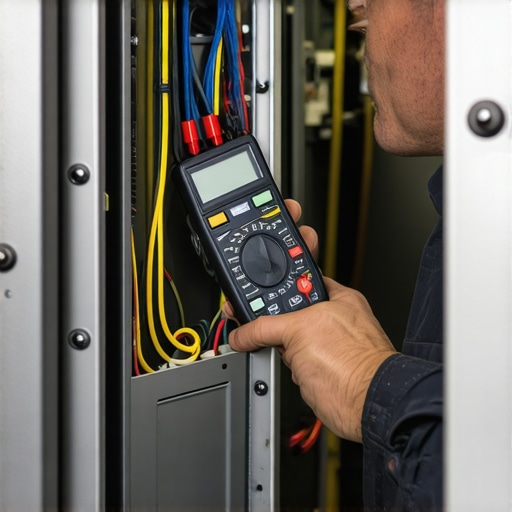
Keeping your heating and cooling systems in top shape requires more than just occasional check-ups; it demands the right tools and consistent practices. One tool I swear by is a digital multilimeter for electrical diagnostics. I use mine to verify circuit integrity during installation or troubleshooting, ensuring each connection is solid before powering up. Additionally, a high-quality refrigerant leak detector is essential—I’ve caught leaks early, preventing costly repairs and energy loss. For ongoing maintenance, an HVAC-specific vacuum gauge helps me monitor system pressure and refrigerant levels accurately, optimizing efficiency. Properly calibrated, these tools let me identify issues before they escalate, saving money and ensuring comfort year-round.
In the realm of software, I rely on service management apps like Housecall Pro to schedule and document routine services. Keeping detailed records of filter replacements, coil cleanings, and refrigerant recharges helps me track system health over time. Looking ahead, the trend points toward smarter, IoT-enabled HVAC tools. Devices that automatically report performance metrics and detect anomalies will make maintenance even more proactive, reducing downtime and extending equipment lifespan.
Tools I recommend for reliable HVAC maintenance
Beyond the basics, I recommend investing in a digital airflow meter. Precise airflow is critical for mini-split and furnace systems to operate efficiently, and this tool helps me fine-tune ventilation for optimal temperature consistency. I also use a PID temperature sensor for spot measurements, especially when checking duct temperatures or heat exchanger performance. For cleaning, an ultrasonic coil cleaner can effectively remove debris from heat exchangers without disassembly, saving time and preserving system integrity.
Regularly using these tools makes maintenance predictable and thorough. For instance, during a recent coil cleaning, the ultrasonic cleaner revealed stubborn dirt in tight fins, which traditional brushes might have missed, ensuring better airflow and efficiency. These practices extend the lifespan of your equipment, reduce energy bills, and improve indoor comfort.
Predicting where this is headed, future HVAC maintenance will likely involve remote diagnostics and AI-driven analysis tools, enabling technicians to preempt system failures even before symptoms arise. Embracing these innovations now can future-proof your home and provide peace of mind. For example, integrating smart thermostats with diagnostic capabilities can alert you to issues in real time, allowing for swift action before minor glitches become major problems.
If you haven’t already, try using a digital airflow meter during your next system check. The accuracy it provides can be eye-opening and help you optimize your system’s performance. Remember, staying ahead with proper tools and regular maintenance is the best way to ensure your HVAC keeps working efficiently for years to come. For in-depth tips tailored to your system type, visit reliable mini-split maintenance tips.
What I Didn’t Expect About Mini-Split Success and Failures
- My biggest mistake was rushing the sizing process, which led to inefficiency — now I know detailed measurements are worth every minute.
- I underestimated the importance of proper airflow balancing, realizing that even the best system fails if airflow isn’t optimized from the start.
- The myth that bigger is better proved wrong; an oversized mini-split cycles more, causing wear and tear — appropriate sizing is key to longevity.
- I learned regular maintenance isn’t optional; simple tasks like filter changes and coil cleaning significantly prolong system life and efficiency.
- Investing in quality installation isn’t just a tip, it’s a necessity — professionals who understand nuances make all the difference for reliable cooling.
Tools and Resources That Changed My Approach
- The trusted mini-split solution guides gave me insights into selecting and maintaining the right system.
- A digital airflow meter transformed how I balance airflow, leading to more consistent comfort and energy savings.
- Ultrasonic coil cleaners saved me time and ensured my system stayed clean, preventing performance drops caused by debris.
- Checking out expert-maintenance tips helped me build simple routines that keep my system at peak performance.
Your Next Cooling Win Starts Now
Taking control of your cooling system not only enhances comfort but also empowers you to tackle energy efficiency confidently. Embrace the lessons learned, leverage the right tools, and don’t hesitate to seek expert guidance when needed. Your home deserves reliable, effective cooling solutions that last for years to come. Ready to improve your home comfort today? Share your experiences or questions below — I’d love to hear your story about upgrading or maintaining your cooling system!
Reading this post really hit home for me, especially the part about sizing and airflow. I recently had a mini-split installed in my home, and I learned the hard way how critical proper sizing is—my first unit was slightly oversized, which caused short cycling and inconsistent humidity levels. Since then, I’ve become more diligent about measuring and consulting experts for accurate sizing. I also appreciate the emphasis on regular maintenance; I installed a small ultrasonic coil cleaner for routine cleaning, which has kept my system running efficiently. It made me wonder—what’s the most common mistake you’ve seen homeowners make when installing or maintaining HVAC systems? Personally, I think many forget that proper airflow balance is just as important as the initial installation. Would love to hear others’ experiences and tips for keeping these systems running smoothly, especially in hotter climates where reliability is crucial.
This post really resonated with me, especially the importance of proper sizing and regular maintenance. I once installed a mini-split myself, thinking I could save some money, but I overlooked the detailed measurements needed for optimal performance. It led to uneven cooling and increased energy bills, which was frustrating. Ever since, I’ve been much more diligent about consulting professionals for size calculations and following routine maintenance practices, like cleaning filters and inspecting refrigerant levels. I also found that incorporating smart thermostats with diagnostic features has made managing the system easier and more efficient.
One thing I’m curious about is airflow balancing in multi-zone mini-split setups. How do others ensure each zone gets the right airflow without overworking the compressor? Does anyone have recommendations on specific tools or techniques that work well? Sharing experiences could really help homeowners avoid common pitfalls and get the most out of their systems. It’s amazing how much difference proper installation and upkeep can make, especially during those heatwaves we’re encountering more frequently these days.
This post really hits the mark for me, especially about the importance of proper sizing and maintenance. I recently upgraded to a mini-split system after years of battling with an old window unit that was constantly breaking down. I learned the hard way that selecting the right size makes all the difference in efficiency and comfort. I also invested in a digital airflow meter to fine-tune the airflow in my multi-zone setup, which has made a noticeable difference in even cooling across rooms. My experience confirms what’s been said—proper installation and regular upkeep are crucial to avoiding issues like short cycling or insufficient cooling. I’m curious, how do others here approach balancing airflow in multi-zone mini-splits? Are there specific tools or techniques you’ve found effective? I believe sharing these tips can really help homeowners get the most out of their systems and avoid costly mistakes down the line.
This article about proper AC sizing and maintenance really underscores what I’ve learned through experience. Last year, I rushed into installing a mini-split without proper measurements and ended up with uneven cooling and higher energy bills. Since then, I’ve realized how crucial a detailed assessment is before making a purchase. The emphasis on airflow balance is also vital—I’ve since used a digital airflow meter to help distribute air evenly across my zones. One challenge I still face is ensuring the compressor isn’t overworked in high heat, especially with multi-zone systems. Does anyone have suggestions for optimizing airflow in larger homes to prevent short cycling? Also, do you think smart thermostats with AI features will help manage these issues more effectively in the future? It’s clear that proactive maintenance and informed choices can make all the difference in keeping a system reliable during those scorching summer days.