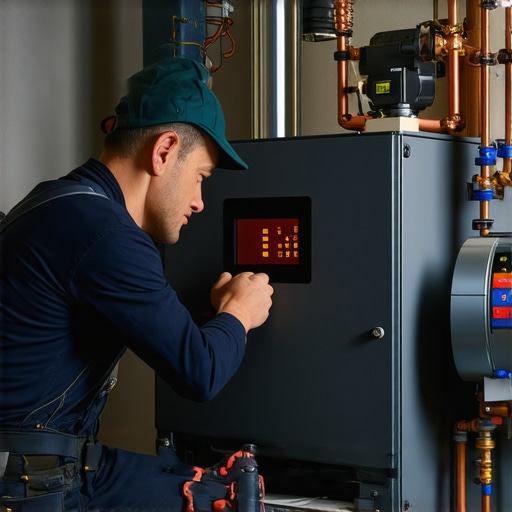
I vividly remember a winter night a couple of years ago when I woke up shivering, realizing my furnace had decided to give up just as the cold snap hit. It was one of those wake-up calls that make you rethink your home’s comfort strategy. Since then, I’ve learned that anticipating and maintaining your heating system can save you from similar nightmares. As we gear up for the cold seasons of 2024, it’s crucial to understand how to choose reliable furnace repair & heating services that will keep your home warm without breaking the bank.
Why Getting Your Furnace Ready Matters More Than Ever in 2024
Every year, cold weather sneaks up faster than we expect. The last thing you want is to be caught off guard when temperatures drop below freezing. Proper maintenance and timely repairs ensure your furnace runs efficiently, lowering energy bills and preventing unexpected breakdowns. According to a recent study, homes with regular HVAC upkeep experience 25% fewer breakdowns and save significant money on energy costs. Trust me, a little investment in quality heating services now can prevent costly emergencies later. If you’ve faced the frustration of a freezing house or a noisy furnace, you’re not alone. Many homeowners learn this lesson the hard way — but it doesn’t have to be that way. Let’s explore how to get your heating system in top shape for the winter ahead.
Is Furnace Repair Really Worth the Investment?
I made a mistake early on by ignoring minor furnace issues, thinking they’d resolve themselves. That was a costly lesson. Small problems like inconsistent heating or strange noises often signal bigger issues lurking beneath the surface. Addressing these early with expert furnace repair services can extend your system’s lifespan and improve efficiency. Rushing into a full replacement without proper diagnosis can be a mistake, so it’s better to consult trusted professionals who can recommend the best course of action. Ensuring you choose a reputable provider means you won’t be left stranded in the cold or overpay for unnecessary repairs. Ready to learn the practical steps to keep your furnace running smoothly? Let’s dive in.
Assess Your Current System Thoroughly
Start by inspecting your furnace for signs of wear or damage. Check for rust, leaks, or unusual noises during operation. I once ignored a faint squeal in my old furnace, thinking it was just noise. When winter hit, it stopped working entirely, leading to a frantic repair. Now, I make it a habit to listen closely and catch issues early. If you notice inconsistent heating or strange sounds, consult a professional furnace repair service to diagnose the problem before it escalates.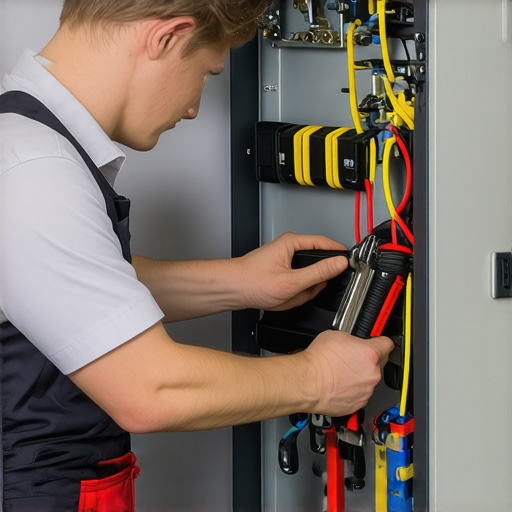
Perform Routine Maintenance Tasks
Change the Filters
Replace filters every 1-3 months to ensure optimal airflow. Think of filters as the lungs of your furnace; clogged filters suffocate the system and reduce efficiency. I once skipped replacing mine, and it caused the system to overheat, shutting down in the coldest night. Regular filter changes keep the system clean and efficient.
Clean Vents and Registers
Dust and debris block airflow, making your furnace work harder. Use a vacuum or damp cloth to clear all vents and registers. This simple step saved me from a costly repair when I noticed uneven heating in my home.
Inspect and Clean the Blower Motor
If you’re comfortable, turn off power and check the blower motor for dust or dirt buildup. Use a soft brush or compressed air. A clean blower motor runs quieter and lasts longer, preventing unexpected breakdowns during the coldest nights.
Schedule Professional Inspection and Repairs
Even with routine maintenance, some issues are best handled by experts. Schedule a comprehensive furnace inspection before winter peaks. Professionals can check the heat exchanger, gas connections, and safety controls, ensuring everything operates safely and efficiently. I learned this the hard way when my furnace’s igniter failed unexpectedly, but a timely professional repair prevented a freezing night.
Upgrade or Replace When Necessary
If your furnace is over 15 years old or costs more in repairs than replacement, consider upgrading. Modern models are more energy-efficient and save money long-term. For an optimal solution, explore top furnace options tailored for cold climates. I replaced my aging unit with a high-efficiency model, and my energy bills dropped noticeably during winter.
Many homeowners believe that diagnosing furnace or AC issues is straightforward, but in reality, there are nuanced mistakes that can cost you dearly. For example, a widespread myth is that replacing a faulty thermostat always solves heating problems. While it’s true in some cases, often the root cause lies deeper in the system, such as a failing blower motor or clogged filters. Relying solely on quick fixes without comprehensive diagnostics can lead to repeated failures and higher costs in the long run.
Another common mistake is ignoring the importance of proper installation, especially for mini-split systems. Many think that DIY or untrained installation suffices, but incorrect placement or refrigerant charging can drastically reduce efficiency and lifespan. Trusting certified professional installation strategies ensures your system performs optimally and lasts for years.
Make sure not to fall for the misconception that more expensive equipment always means better performance. Sometimes, high-end units are overkill for smaller spaces or poorly designed ducts. A nuanced understanding of your home’s specific needs, supported by expert advice, can save you money and improve comfort.
Think that regular maintenance is unnecessary if your system seems to work fine? Think again. Small signs like uneven heating or strange noises are often early warnings of larger issues. Addressing them early with expert repairs prevents costly breakdowns.
What about advanced questions? Many homeowners ask whether mini-splits can replace traditional furnaces entirely. The answer depends on your climate, home size, and insulation. Properly installed mini-splits can provide efficient heating and cooling, but they require careful planning and expert guidance. For a deeper dive, check out mini-split installation experts.
Have you ever fallen into this trap? Let me know in the comments.
Keeping your heating, ventilation, and air conditioning (HVAC) systems in top shape requires more than just occasional repairs; it demands the right tools and a strategic approach to maintenance. Over the years, I’ve honed my toolkit with specific equipment that ensures I can diagnose and address issues promptly, saving time and money in the long run.
My Go-To Diagnostic Tools for HVAC Systems
First and foremost, I rely on a high-quality digital multimeter. This device allows me to check voltage, current, and resistance, which are critical in diagnosing problems with thermostats, control boards, and wiring. I prefer models with a non-contact voltage tester feature, as it adds an extra layer of safety when working with live circuits.
Next, an infrared (IR) thermometer is invaluable for assessing surface temperatures on heat exchangers, ductwork, and refrigerant lines. Spotting temperature discrepancies helps identify airflow issues or refrigerant leaks early. I’ve found that investing in a laser-aimed IR thermometer with a wide temperature range improves accuracy significantly.
For refrigerant-related problems, a manifold gauge set is essential. It allows me to measure pressure levels in the system precisely, helping to diagnose low refrigerant, blockages, or overpressure scenarios. Proper handling and knowledge of refrigerant charging are critical here, so I always use this tool alongside manufacturer-specific technical documentation.
Software and Apps That Streamline Maintenance
In addition to physical tools, I utilize HVAC diagnostic apps that connect to smart thermostats and system controllers. These apps provide real-time data, error codes, and system performance metrics, enabling me to identify issues without invasive inspections. For example, some apps can even predict when a component might fail based on usage patterns, facilitating proactive maintenance.
Online diagnostic guides and manufacturer databases are also part of my toolkit. They help interpret error codes and recommend specific troubleshooting steps, reducing guesswork. Having immediate access to technical specs and wiring diagrams saves valuable time during repairs.
Long-Term Maintenance Strategies and Trends
Looking ahead, I predict that the integration of IoT (Internet of Things) devices in HVAC systems will become standard, offering remote monitoring and predictive diagnostics. This evolution will make maintenance more proactive, reducing emergency calls and extending equipment lifespan.
To stay ahead, I recommend regularly updating your software tools and staying informed about new diagnostic technologies. Incorporating smart sensors and automation can also help automate routine checks like filter replacements and airflow assessments, making maintenance less labor-intensive.
How Do I Maintain HVAC Tools and Techniques Over Time?
Proper calibration and regular cleaning are vital for maintaining the accuracy of your diagnostic tools. For instance, I calibrate my multimeter annually and replace batteries frequently. Storing tools in a dry, organized manner prevents damage and ensures they’re ready when needed. Additionally, subscribing to manufacturer updates and participating in online HVAC forums keeps me informed about the latest best practices and innovations.
If you want to elevate your maintenance routine, I highly recommend trying out a professional-grade IR thermometer for precise temperature readings or exploring HVAC apps that sync with your smart home devices. These investments can dramatically improve your troubleshooting efficiency and system longevity.
For comprehensive guidance on maintaining mini-split systems, I suggest reviewing trustworthy mini-split installation strategies. Staying proactive and equipped is the key to reliable, long-term HVAC performance.
The Hardest Lessons I Learned About Furnace Repair and Winter Warmth
One of my biggest mistakes was ignoring the early signs of furnace trouble, thinking a strange noise or slight inefficiency would resolve on its own. That delay led to a freezing night and costly repairs. Now, I know that catching issues early with professional furnace diagnostics can save you time and money, ensuring your home stays warm when it matters most.
My Favorite Tools That Keep My Furnace Running Smoothly
Over the years, I’ve built a toolkit that makes maintenance straightforward. A high-quality digital multimeter helps me check electrical components safely, while an IR thermometer pinpoints temperature discrepancies in ductwork or heat exchangers, revealing hidden issues before they escalate. I trust a reliable manifold gauge set for refrigerant pressure checks, especially when diagnosing mini-split systems or heat pumps, which are becoming more popular for their energy efficiency and flexibility.
Why Trusting Experts Is the Best Move for Your Winter Readiness
Even if you’re handy, some problems need a professional touch. I’ve learned that proper installation, especially for mini-split systems, is crucial for long-term performance. Incorrect placement or refrigerant charging can waste energy or cause breakdowns. For the best results, I recommend consulting qualified mini-split installation experts. Routine inspections by professionals also catch potential issues early, preventing emergency repairs during the coldest months.
Embracing a proactive mindset for winter warmth
In 2024, the key to reliable home heating is prevention. Regular maintenance, expert diagnostics, and quality equipment choices can make all the difference. I’ve seen how investing in a modern, energy-efficient furnace or mini-split system can cut energy bills and boost comfort. Now is the time to schedule that inspection and ensure your home stays cozy all winter long. Don’t wait for the cold snap to remind you—be prepared and enjoy peace of mind throughout the season.
Reading through this, I can definitely relate to the importance of early identification of furnace issues. A few years ago, I ignored a minor strange smell coming from my heater, thinking it was nothing. When winter hit, it led to a much bigger problem that cost me a lot more to fix. Ever since, I’ve made it a point to schedule routine inspections and pay attention to early warning signs. One thing I’ve learned is that even small maintenance tasks, like changing filters and inspecting vents, can make a significant difference in system longevity. I’m curious, for those who’ve upgraded their systems recently, how did you decide between repairing your current furnace versus replacing it? What factors played into your decision? It’s always interesting to hear how others approach these choices based on their home size or energy goals.
This post really hits home, especially the part about early signs of furnace trouble. I remember last winter when my system suddenly started making strange rattling noises. At first, I thought it was just a minor issue, but after reading about early warning signs, I called a professional. Turns out, a small crack in the heat exchanger was developing. Catching that early probably saved me from a costly replacement and a potential safety hazard. It makes me wonder, what are some of the most common but overlooked signs that homeowners should watch out for before cold weather hits? Also, I’ve been debating whether to upgrade my system or stick with repairs. What factors do others consider most important — energy efficiency, cost, or reliability? Looking forward to hearing everyone’s experiences on decision-making around furnace upgrades versus repairs.