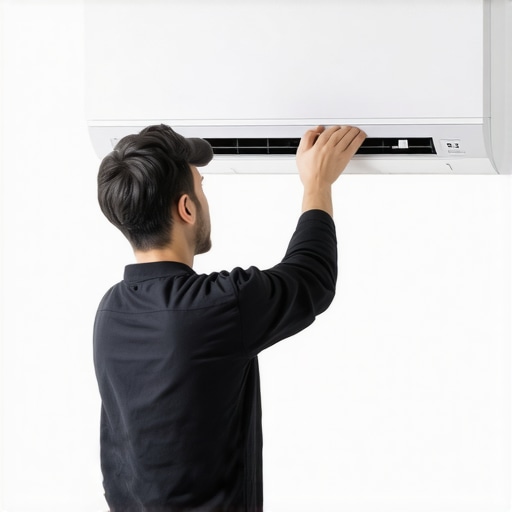
There was a summer evening when my old, clunky air conditioner decided to give out just as the heat was reaching its peak. I remember standing in my sweltering living room, feeling helpless and frustrated, realizing I had ignored the signs for too long. That moment was a lightbulb for me—if I wanted reliable comfort year-round, I needed a smarter, more efficient solution. It’s a mistake I see many homeowners make early on: neglecting the importance of proper AC installation or underestimating the power of mini-split systems. Today, I want to share how choosing expert installation and modern mini-split solutions transformed my home comfort and how it can do the same for you.
Why Getting AC Right Matters More Than Ever
Living through that hot summer night taught me the hard way that HVAC systems aren’t just about cooling or heating—they’re about peace of mind. When your system is installed correctly, it runs efficiently, saves energy, and keeps your home comfortable no matter the season. With climate patterns becoming more unpredictable, investing in expert AC installation or mini-split systems isn’t just a luxury; it’s a necessity. A properly installed mini-split can provide energy-efficient cooling during summer and reliable heating in winter, all while reducing your utility bills. If you’re tired of uneven temperatures or skyrocketing energy costs, now’s the time to consider your options. I’ll walk you through the practical steps to ensure your home stays cozy all year long, starting with understanding the benefits of professional installation.
Have You Faced This Problem?
Do you find yourself sweating through summer or shivering in winter despite having an HVAC system that’s supposed to keep you comfortable? If so, you’re not alone. Many homeowners overlook the importance of expert installation, thinking it’s just a one-time expense. But the truth is, a system installed by amateurs or with DIY shortcuts can end up costing you more in the long run—both in energy bills and repair costs. I made that mistake early on, rushing into a quick fix that only worsened my problems. That’s why I turned to trusted professionals and learned about the power of trusted AC and mini-split installation strategies. Proper installation can make all the difference, and I’ll show you how to ensure your setup is done right.
Choose Your Equipment Wisely
Start by selecting the right system for your home. A mini-split system is a flexible choice, especially for zones where traditional ductwork is impractical. When I needed a solution for my upstairs bedroom, I opted for a mini-split because it’s energy-efficient and easy to install. Research models that suit your space and energy needs, then consult with professionals who can recommend top solutions like those outlined in top AC installation mini-split solutions. This initial step ensures you’re investing in a system that maximizes comfort and savings.
Prepare Your Space for Installation
Clear the area where the unit will be installed. I remember moving furniture out of the way in my living room to make room for the technician. Accurate placement is crucial; for mini-splits, the indoor air handler should be positioned high on the wall with clear airflow. For traditional systems, ensure the outdoor unit has proper clearance and is on a stable surface. Proper preparation prevents delays and helps technicians work efficiently, leading to a smoother installation process.
Work with Certified Professionals
Never attempt DIY installation for HVAC systems. I learned this the hard way when trying to install my old unit myself, which resulted in poor performance and higher bills. Instead, hire licensed experts who follow proven strategies like those in trusted AC and mini-split installation strategies. Certified technicians understand the intricacies of refrigerant lines, electrical wiring, and system calibration, ensuring your unit operates at peak efficiency from day one.
Ensure Proper System Placement
Position indoor units to maximize airflow and avoid obstructions. I initially installed mine in a corner, which caused uneven cooling, but repositioning it to a more central wall improved airflow dramatically. Outdoor units should be situated in shaded, well-ventilated areas free from debris and obstructions. Correct placement minimizes noise and enhances system lifespan, both of which I observed after adjusting my outdoor unit placement based on professional recommendations.
Optimize Ductwork and Connectivity
If your setup involves ducted systems, sealing and insulating ducts is vital. During my upgrade, I had my ducts inspected and sealed, which significantly reduced energy loss. For ductless mini-splits, ensure refrigerant lines are properly insulated and connected. This step is essential; poorly connected lines or leaks can compromise your system’s efficiency, leading to higher utility bills and reduced comfort. Professionals use techniques outlined in mini-split installation strategies to guarantee optimal performance.
Test and Fine-Tune Your System
After installation, thoroughly test the system. I watched my technician run the unit multiple times to check airflow, temperature consistency, and noise levels. Adjustments to airflow direction or thermostat settings might be necessary to achieve the ideal comfort level. Regular maintenance and periodic inspections ensure your system stays in top shape, preventing minor issues from becoming costly repairs. For ongoing support, consider consulting trusted heating and cooling services to keep your system running smoothly year-round.
Many homeowners enter the world of HVAC repair with preconceived notions that can do more harm than good. One widespread myth is that DIY fixes are always cost-effective. In reality, attempting to repair complex systems like furnaces or mini-splits without proper training can lead to safety hazards and costly damages. For example, improperly handling refrigerant lines or electrical components often results in system failure or safety risks. Trusted services like effective furnace repair and heating services emphasize the importance of professional expertise to avoid these pitfalls.
Another misconception is that bigger or more powerful units are always better. More often than not, homeowners choose oversized systems thinking they’ll cool or heat faster, but this leads to inefficiency, increased wear, and uneven temperature distribution. Proper sizing, based on detailed load calculations, ensures your system operates optimally. Advanced installation strategies, such as those discussed in mini-split installation strategies, help in selecting the right capacity for your home.
Many forget the importance of correct placement and insulation. For instance, placing outdoor units in shaded, ventilated areas and insulating refrigerant lines can significantly improve efficiency and longevity. An often-overlooked mistake is neglecting regular maintenance, which can mask early signs of failure. Regular inspections and prompt repairs, guided by experts, prevent minor issues from escalating. For ongoing support, trusted services like trusted furnace repair solutions are invaluable.
How Do Advanced HVAC Systems Differ in Repair Needs?
In my experience, modern mini-split systems require a nuanced approach to repair and maintenance. Unlike traditional ducted systems, mini-splits involve refrigerant management, precise electrical connections, and specific airflow considerations. Misdiagnosing a simple issue like airflow restriction or refrigerant leak can compromise the entire system’s performance. Professional technicians utilize specialized tools and strategies, such as those outlined in mini-split installation experts, to ensure reliable operation. Understanding these nuances helps prevent recurring problems and extends system lifespan.
In conclusion, debunking these myths and recognizing the hidden complexities of HVAC repair can save you money, time, and frustration. Always trust qualified professionals for installation and repairs to ensure your home remains comfortable and efficient. Have you ever fallen into this trap? Let me know in the comments.
How do I keep my HVAC systems running smoothly over time?
Maintaining your heating, ventilation, and air conditioning (HVAC) systems is crucial for ensuring reliable comfort and avoiding costly repairs. Over the years, I’ve refined my maintenance approach, relying on specific tools and methods that have proven effective. First and foremost, a high-quality digital multimeter is indispensable for diagnosing electrical issues in furnaces and mini-split systems. I personally use the Fluke 117, valued for its precision and durability, which allows me to check voltage levels, continuity, and resistance with confidence. Regularly testing electrical connections prevents unexpected failures and extends the lifespan of your equipment.
Another essential tool is a refrigerant leak detector, such as the Inficon D-Tek, which quickly identifies leaks in mini-split and AC systems. This tool saves me hours of troubleshooting and helps catch issues early before they escalate. For filter maintenance, I recommend a good vacuum with a HEPA filter, like the Shop-Vac 8-gallon model, to clean dust and debris from vents and filters, maintaining optimal airflow and system efficiency. Proper airflow is a common overlooked factor that can cause system strain and higher energy bills.
In addition to tools, software plays a role in long-term maintenance. I use HVAC diagnostic apps like FieldPulse, which streamline service scheduling, record keeping, and customer communication. These apps help me keep track of routine inspections and ensure no maintenance tasks fall through the cracks. Staying organized with digital records also aids in diagnosing recurring problems and planning future upgrades.
Looking ahead, I see the trend moving towards smarter, IoT-enabled HVAC systems that can self-monitor and alert homeowners or technicians about potential issues. As these systems become more prevalent, integrating smart sensors and predictive maintenance tools will become standard practice, minimizing downtime and repair costs. For now, however, leveraging reliable diagnostic tools and maintaining a diligent schedule is key to keeping your HVAC systems working at their best.
Try this tip to improve your HVAC maintenance routine
One advanced tip is to implement a regular refrigerant pressure check using a manifold gauge set like the Yellow Jacket 42006. This allows you to verify system charge levels and detect potential leaks early. Proper refrigerant management is vital for mini-split efficiency and longevity. Regular checks with this tool can prevent compressor failures and ensure your system operates at peak performance. Remember, if you’re unsure about handling refrigerant, always consult with certified professionals who follow trusted strategies, such as those outlined in mini-split installation strategies. Take control of your HVAC health today by incorporating these tools and tips into your maintenance routine.
What I Wish I Knew About HVAC Before It Was Too Late
One of the most valuable lessons I learned was the importance of professional installation. I once attempted a DIY project that resulted in uneven cooling and higher energy bills, proving that expertise matters. Now, I always rely on trusted professionals who follow strategies outlined in trusted AC and mini-split installation strategies to ensure optimal performance.
Why Bigger Isn’t Always Better in HVAC
I used to think installing the largest unit available would keep my home perfectly comfortable. Instead, I found out that improper sizing leads to inefficiency and faster wear. Proper load calculations, as discussed in top AC installation mini-split solutions, are essential for selecting the right capacity and saving money over time.
The Power of Correct Placement and Maintenance
Placing outdoor units in shaded, ventilated areas and insulating refrigerant lines made a significant difference in efficiency for me. Regular maintenance, including checking refrigerant pressures with tools like the Yellow Jacket 42006, prevents costly breakdowns. These insights, from mini-split installation strategies, have extended my system’s lifespan and performance.
Why I Trust Expertise Over DIY Fixes
Attempting to repair complex HVAC systems without proper training can cause safety hazards and damage. I learned this the hard way when I tried to handle refrigerant leaks myself. Now, I always engage certified technicians who follow proven strategies, ensuring my system runs smoothly. For reliable service, I recommend checking out effective furnace repair and heating services.
Reading this post really resonated with me, especially the part about the importance of professional installation. I had a similar experience where I initially tried to install my mini-split system myself and ended up with uneven cooling and increased energy bills. It wasn’t until I finally called in a certified technician that everything improved dramatically. It made me think about how crucial proper placement and sealing are for system efficiency, especially in older homes with tricky layouts. I’m also curious, has anyone faced particular challenges with outdoor unit placement, like handling shaded versus unshaded areas? I’d love to hear how others solved outdoor placement issues to maximize efficiency and reduce noise. Overall, investing in expert installation definitely paid off in the long run for me, and I would recommend others to avoid DIY shortcuts—sometimes, it’s just not worth the risk.