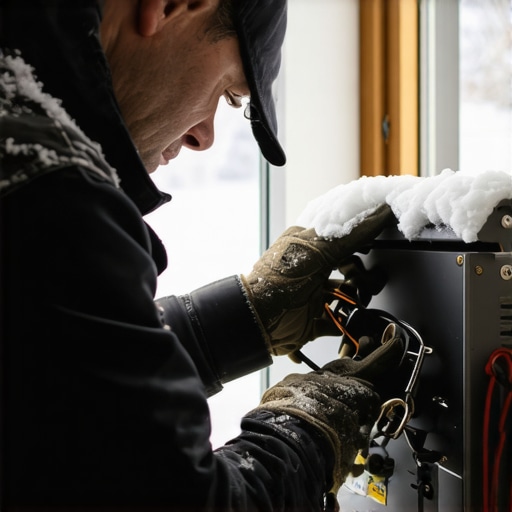
Ever been caught in a freezing house mid-winter, only to realize your furnace has decided to quit just when you need it most? That lightbulb moment hit me hard a few years ago. I was shivering under a blanket, frantically trying to troubleshoot my aging furnace, and it made me realize how crucial reliable heating is for home comfort. We often take our heating systems for granted until they fail, leaving us cold and uncomfortable. If you’re like me, you want to avoid those stressful, chilly nights. That’s why I want to share my journey and help you prepare for the upcoming winter with the best furnace repair and heating services around.
Why Winter 2024 Calls for Smart Heating Solutions
As winter approaches, so does the risk of unexpected heating failures. According to industry experts, a well-maintained furnace can save you from costly repairs and uncomfortable nights. In fact, neglecting regular maintenance can lead to efficiency drops of up to 30%, driving up your energy bills and risking breakdowns when you need heat the most. Trust me, a little proactive care can go a long way. Have you faced sudden furnace breakdowns during a cold snap? If yes, then you know how critical reliable service is. Today, we’ll explore how to avoid those pitfalls by choosing the right heating services for your home.
Is Furnace Repair Actually Worth the Hype?
Early in my journey, I made the mistake of ignoring small issues with my furnace, thinking they’d resolve themselves. Spoiler alert: they didn’t. Small problems can snowball into major repairs or replacements if not addressed promptly. I’ve learned that timely repairs and routine maintenance are essential. Not only do they extend your system’s lifespan, but they also ensure peak efficiency, saving you money in the long run. For expert advice on how to keep your furnace in top shape, check out this trusted guide. Trust me, investing in professional service now beats suffering through a cold winter and costly emergency repairs later.
Inspect Your Equipment with Precision
Start by checking your furnace or heating system for obvious issues like strange noises, leaks, or failure to turn on. I remember once discovering a loose electrical connection behind my furnace after a quick visual inspection—this simple fix immediately restored reliable warmth. Use a flashlight and a mirror if needed, and wear safety gloves. For a detailed checklist, visit this comprehensive guide.
Clean and Replace Filters Regularly
Filters are the lungs of your heating system. I once neglected mine during a busy week, and the system struggled to heat properly. Replacing filters every 1-3 months improves airflow, boosts efficiency, and prevents breakdowns. Turn off the system before removing the filter—this is critical for safety. Use high-quality filters suited for your furnace type. For expert tips, check this trusted resource.
Lubricate Moving Parts for Smooth Operation
Much like a bike chain, your furnace’s moving parts need lubrication. I once applied a few drops of oil to the blower motor, which reduced noise and improved performance. Use a lightweight machine oil and avoid over-lubricating. This step prevents wear and extends the lifespan of components. Follow detailed instructions at this expert guide.
Test Thermostat Settings and Calibration
A miscalibrated thermostat can cause uneven heating or unnecessary energy use. I experienced this firsthand when my thermostat read 68°F but the house was cooler. I replaced the batteries and reprogrammed it, which restored proper function. Always set your thermostat to the desired temperature and verify it matches the actual room temperature with a reliable thermometer. For calibration techniques, see this detailed tutorial.
Schedule Professional Inspection and Maintenance
While DIY checks are vital, a professional tune-up ensures your system runs optimally. I once called in a licensed technician—within an hour, they cleaned the heat exchanger, checked for gas leaks, and adjusted airflow. Regular maintenance can catch issues early, saving money and preventing breakdowns. Book a service now through trusted experts. Remember, an ounce of prevention is worth a pound of cure.
Many homeowners approach furnace repair and HVAC upgrades with misconceptions that can lead to costly mistakes. Let’s dig deeper into what most people get wrong, so you can make smarter decisions for your home comfort. One widespread myth is that DIY repairs are always cost-effective. While some minor fixes seem straightforward, tackling complex issues without proper training can cause more damage or safety hazards. For example, attempting to fix gas leaks or electrical components without expertise can lead to dangerous situations, potentially voiding warranties or causing health risks. It’s often better to consult trusted heating service experts who understand the nuances of your system.
Another misconception is that replacing filters regularly isn’t crucial. In reality, neglecting this simple maintenance step can cause airflow restrictions, decrease efficiency, and even damage your blower motor over time. Remember, filters are the lungs of your furnace, and changing them every 1-3 months ensures optimal performance. To get it right, follow this expert advice.
Many believe that upgraded thermostats always mean better comfort. However, improper calibration or outdated models can cause uneven heating or energy waste. Advanced thermostats must be correctly installed and calibrated to match your home’s specific needs. If you’re considering smart thermostats, consult professionals who can ensure proper setup—visit this guide.
A common trap is delaying professional inspections, thinking DIY checks are enough. Routine tune-ups by licensed technicians often uncover hidden issues before they escalate. For example, a small crack in the heat exchanger can lead to carbon monoxide leaks if unnoticed. Regular maintenance is an investment in safety and efficiency, so don’t skip it. Book a trusted service through experts.
For those exploring mini-split systems, a myth persists that they are only for cooling. In fact, modern mini-splits offer excellent heating capabilities, especially in zones or homes without ductwork. But oversizing or improper installation can reduce their effectiveness. Learn from specialists at trusted experts to avoid these pitfalls.
**Have you ever fallen into this trap? Let me know in the comments.** Let’s ensure your home stays warm and efficient, using knowledge that goes beyond the basics.
Keep It Running with the Right Tools
Maintaining your heating system over time requires more than just a basic knowledge of HVAC. I personally rely on a few specific tools that make routine maintenance safer and more effective. For example, I always use an infrared thermometer when checking for uneven heat distribution. This tool helps me identify cold spots that might indicate airflow issues or duct leaks, which can be costly if left unaddressed. Additionally, a digital multimeter is indispensable for testing electrical connections and ensuring safety before doing any repairs. These tools save me time, prevent potential hazards, and provide precise data that guides my maintenance efforts.
Why I Trust My Infrared Thermometer and Multimeter
The infrared thermometer allows me to quickly scan various parts of my furnace or mini-split system without contact, giving instant temperature readings. This is crucial for diagnosing problems early, such as failing heat exchangers or cold air leaks. Meanwhile, the multimeter confirms electrical integrity, helping me avoid shocks or further damage. Investing in quality tools like the Fluke 62 MAX infrared thermometer and a reliable multimeter from Klein Tools has proven worthwhile in my experience. These tools are durable, accurate, and easy to use, which is essential for DIY enthusiasts or professional technicians alike.
Regular Checks and Preventive Maintenance
Beyond tools, I recommend establishing a routine schedule for inspecting your system. This includes checking filters, cleaning vents, and testing thermostats. Using your infrared thermometer periodically can help you monitor your system’s health over time. For instance, if you notice consistent temperature drops in certain areas, it might be time to call in professionals for a thorough inspection. Proactive maintenance not only extends your equipment’s lifespan but also ensures peak efficiency, saving you money on energy bills. For detailed guidance, visit this trusted resource.
Tools I Recommend for Long-Term Success
In addition to my infrared thermometer and multimeter, I also keep a high-quality vacuum and soft brushes handy for cleaning filters and coils. Regular cleaning prevents dust buildup, which can impair airflow and heat transfer. For more advanced maintenance, I use an ultrasonic cleaner for small parts, ensuring they are free of grease and debris—especially useful when dealing with delicate components like sensors or circuit boards. These tools, combined with a good understanding of your system, make maintenance manageable and effective.
How do I maintain my heating system over time?
The key to long-lasting performance is consistency. Schedule professional inspections at least once a year, ideally before the cold season begins. During these visits, technicians use specialized tools and diagnostic equipment, such as combustion analyzers and airflow meters, to fine-tune your system. Meanwhile, you can perform monthly visual checks and simple tests with your own tools to catch issues early. This proactive approach can prevent costly breakdowns and ensure your home stays warm and comfortable all winter long. To learn more or book a professional service, check out this comprehensive guide.
Looking ahead, I believe the trend will move towards smarter, integrated HVAC systems that monitor themselves and alert homeowners or technicians when maintenance is needed. This will further simplify long-term upkeep and enhance system longevity. For now, equip yourself with reliable tools and a routine maintenance plan to keep your heating system working flawlessly for years to come. Don’t forget to try out a digital multimeter or infrared thermometer—you might be surprised how much easier DIY maintenance becomes with the right gear!
The Hardest Lesson I Learned About Furnace Maintenance
One of my most eye-opening experiences was realizing that ignoring small issues with my furnace could lead to costly repairs down the line. It taught me the importance of addressing minor problems early, such as strange noises or inconsistent heating, which often signal deeper issues. This lesson made me proactive rather than reactive, saving me money and stress during the coldest months.
Why Overlooking Routine Checks Can Hit Your Wallet
I used to think that once my furnace worked, I was set for winter. But I learned the hard way that neglecting regular maintenance, like filter changes and system inspections, drastically reduces efficiency and shortens equipment lifespan. A simple scheduled check, like verifying thermostat calibration or inspecting ductwork, can prevent emergencies and keep your home warm without blowing up your energy bills.
The Myth That DIY Repairs Always Save Money
I was tempted to fix a gas leak myself, thinking it would be quick and cheap. Turns out, DIY attempts without proper training can be dangerous and often cause more damage. Trusting certified professionals ensures safety and proper system functioning, especially for complex issues like gas lines or electrical components. Always weigh safety first—your home and loved ones depend on it.
My Toolkit for Long-Term Heating Success
Over the years, I’ve come to rely on a few trusted tools that make maintenance easier. An infrared thermometer helps me spot uneven heat distribution, while a quality multimeter confirms electrical safety. These tools have saved me from unnecessary service calls and helped me identify issues early. Investing in reliable gear like the Fluke 62 MAX and Klein Tools multimeter is worth every penny for peace of mind.
The Power of Preventive Action for Winter Comfort
Scheduling annual professional inspections has been a game-changer. Technicians use advanced tools to fine-tune my system, catching small problems before they escalate. Combining this with my routine checks—like cleaning filters and testing thermostats—ensures my home stays warm and my system runs efficiently all season. Remember, proactive maintenance is your best defense against winter cold and costly repairs.
Where to Go from Here
If you’re serious about keeping your home warm in Winter 2024, start with a professional tune-up and equip yourself with essential tools. For expert guidance, visit this trusted resource and schedule your service today. Staying informed and prepared is the best way to avoid chilly surprises and enjoy reliable warmth all season long.