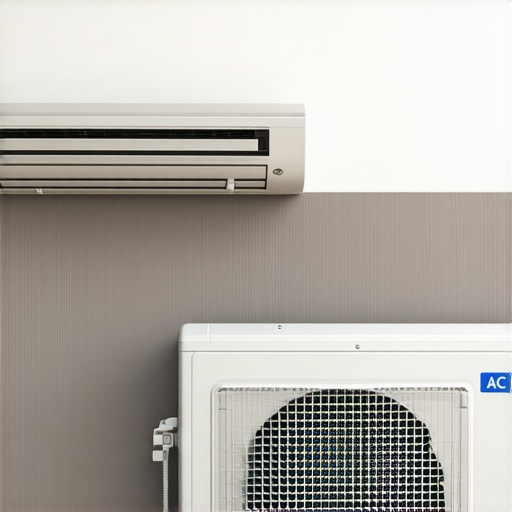
I remember the summer last year vividly. The heat was relentless, and my old AC unit struggled to keep up. One scorching afternoon, I finally decided enough was enough. As I watched that stubborn, noisy system groan under the strain, I realized that my home’s cooling wasn’t just a matter of comfort but a necessity for my family’s well-being. That lightbulb moment made me dig into the world of top AC installation and mini-split solutions. I learned that choosing the right system isn’t just about cooling; it’s about creating a reliable, energy-efficient sanctuary that lasts. If you’ve ever faced the frustration of uneven cooling or sky-high energy bills, you’re not alone. Today, I want to share insights that can help you avoid my rookie mistakes and find lasting comfort in your home.
Why Your Choice of Cooling System Matters More Than Ever
In 2024, the importance of selecting the right cooling system is at an all-time high. Climate patterns are becoming more unpredictable, and energy costs are soaring. An inefficient or poorly installed AC can turn your home into an oven or drain your wallet faster than you think. The good news is that modern technology, especially mini-split systems, offers a game-changing solution. These systems provide reliable cooling, energy savings, and flexibility that traditional units just can’t match. But, as with anything, the devil is in the details. An improper installation or overlooked feature can nullify all those benefits.
Is Mini-Split Technology Actually Worth the Hype?
Early in my journey, I made the mistake of thinking that all mini-splits were the same. Turns out, not quite. I learned the hard way that DIY installation often leads to inefficiency and higher costs. The secret is trusting trusted experts who understand the nuances of mini-split systems. According to recent studies, properly installed mini-splits can cut cooling costs by up to 30% while providing superior comfort. So yes, the hype is real, but only if you do it right. This is why I always recommend consulting with professionals and following proven strategies, like those shared in our ultimate guide to mini-split installation.
Are you tired of uneven cooling or skyrocketing energy bills? If so, you’re in the right place. Let’s explore how to make your home cool, comfortable, and reliable in 2024 — without the headaches.
},
Pinpoint Your Cooling Needs Precisely
Start with a detailed assessment of your home’s cooling demands. Walk through each room, noting the size, insulation, window placement, and existing ductwork. During my own project, I used a tape measure and a calculator to determine the BTU (British Thermal Unit) requirements for each space. This step ensures your mini-split system will be neither underpowered nor wastefully oversized, which can lead to inefficiency and higher costs. For accurate calculations, check out our ultimate guide to mini-split installation.
Choose the Right Equipment for Your Home
Research and select a mini-split model that matches your calculated cooling load. Focus on energy efficiency ratings like SEER (Seasonal Energy Efficiency Ratio) and ensure the system supports zoning if needed. I once bought a slightly too small unit for a large living room, which caused uneven cooling. Trust the advice of trusted experts and review specifications carefully. You can find valuable insights on selecting systems in our top AC installation mini-split solutions.
Prepare a Clear Installation Plan
Map out the installation process step-by-step. Decide whether you’ll hire professionals or attempt a DIY setup. If DIY, familiarize yourself with tools like hole saws and refrigerant line connections. I attempted a DIY mini-split installation once, and it was a mess—refrigerant leaks and improper sealing. That’s why I now recommend following proven strategies from trusted sources such as reliable mini-split installation tips. Proper planning prevents costly mistakes.
Gather the Necessary Tools and Materials
Ensure you have all required tools—drills, level, vacuum pump, and refrigerant gauges. Also, purchase quality mounting brackets, line sets, and insulation. During my last project, I realized I was missing a vacuum pump, which delayed the process. Double-check your toolkit before starting. For detailed tool lists and tips, visit our expert furnace repair tips—many principles overlap with mini-split setups.
Execute the Installation with Precision
Follow manufacturer instructions meticulously. Start by mounting indoor units at optimal heights, away from direct sunlight or heat sources. Drill through walls with care, and ensure lines are insulated properly. When I installed mine, I used a level to ensure perfect alignment, which made the system run quieter and more efficiently. After connecting the refrigerant lines, I used a vacuum pump to remove air and moisture. Skipping this step can cause system failure. For step-by-step guidance, review our mini split installation expert tips.
Test and Fine-Tune Your System
Once installed, power up the system and check for leaks or abnormal noises. Use gauges to verify refrigerant pressure and ensure the indoor and outdoor units are communicating correctly. Adjust settings for comfort and energy efficiency. I found that a few minor tweaks in the thermostat settings resulted in significant savings and better comfort. Don’t forget to document your setup for future maintenance. Reliable testing techniques are detailed in our mini-split heating and cooling tips.
Maintain Your System for Long-Lasting Comfort
Regularly clean filters, check refrigerant levels, and inspect for leaks. Schedule professional tune-ups annually to keep your system running at peak efficiency. When I neglected maintenance for a year, my system’s performance dipped, leading to higher energy bills. Implementing a simple maintenance routine based on trusted advice ensures your investment lasts. Explore our trusted heating and cooling maintenance tips for more insights.
Many homeowners believe they know everything about mini-split technology, but in reality, some of the most widespread misconceptions can lead to costly mistakes. Let’s dig deeper into what most people get wrong and how to avoid falling into these traps.
Why Oversizing Your Mini-Split Is a Recipe for Failure
A frequent mistake is choosing a system that’s too powerful for the space. While it might seem logical to get the biggest unit for quick cooling, oversized mini-splits tend to cycle on and off frequently. This not only increases wear and tear but also reduces dehumidification, leading to a damp, clammy environment. Proper sizing is essential, and relying on accurate BTU calculations or consulting trusted experts can save you money and increase comfort. For detailed sizing tips, check out our ultimate guide to mini-split installation.
Myth: DIY Installation Is Just as Good as Professional Setup
While DIY projects might seem tempting, mini-split installation is complex and requires specialized skills, especially for refrigerant handling and proper sealing. Poor installation can lead to leaks, inefficiency, and eventual system failure. Trusting experienced professionals ensures your system runs at peak performance and lasts longer. A well-executed installation can reduce energy costs by up to 30%, according to recent studies. To understand the nuances of expert installation, explore our trusted strategies for mini-split installation.
Advanced Question: How Do I Ensure My Mini-Split Operates Efficiently Over Time?
Many assume that once installed, a mini-split system will run efficiently forever. However, regular maintenance is crucial. This includes cleaning filters monthly, inspecting refrigerant levels annually, and scheduling professional tune-ups. Neglecting these steps can cause efficiency loss, increased energy bills, and system breakdowns. Airflow obstructions and dirty filters are common culprits that reduce performance. According to HVAC experts, proactive maintenance can extend system lifespan and maintain optimal energy savings. For maintenance best practices, visit our mini-split maintenance tips.
Have you ever fallen into this trap? Let me know in the comments. The key to reliable, efficient cooling is understanding these nuances and acting accordingly. Don’t let misconceptions cost you in comfort or money — stay informed and consult trusted professionals for your mini-split needs.
Keeping your mini-split system in top shape requires not only knowledgeable maintenance routines but also the right tools to perform them effectively. Over the years, I’ve refined my toolkit to ensure each component functions optimally, saving me time and money while extending the lifespan of my system.
How do I maintain my mini-split over time?
Regular maintenance starts with simple yet crucial tasks like cleaning filters and inspecting refrigerant lines. To do this efficiently, I rely on specific tools that I personally trust. A high-quality ultrasonic cleaner is invaluable for thoroughly cleaning indoor filters without damaging delicate components. I prefer models that are easy to use and provide deep cleaning, which helps maintain airflow and efficiency.
For refrigerant checks, I use digital gauges with quick-connect fittings. These gauges give precise readings and allow me to detect leaks early. When paired with a digital leak detector, I can pinpoint issues before they escalate, preventing costly repairs and system downtime.
Vacuum pumps are another cornerstone of my toolkit. I use a portable, oil-free vacuum pump that’s easy to operate and reliable. Proper evacuation of air and moisture from the lines is critical—skipping this step can lead to system failure. After installation or maintenance, I always run a vacuum for at least 30 minutes to ensure optimal performance.
In addition, I recommend investing in refrigerant line insulation and a quality level to ensure proper alignment during installation. The right tools make the job easier and more accurate, reducing the chance of errors that could compromise system efficiency.
Looking ahead, I predict that smart diagnostic tools will become more prevalent, allowing homeowners and technicians to monitor system health remotely. Devices connected via Wi-Fi can alert you to issues like refrigerant leaks or clogged filters in real-time, enabling proactive maintenance.
Next step: Try using a digital refrigerant gauge during your next service
This small upgrade can dramatically improve your ability to maintain your mini-split and catch problems early. When combined with routine filter cleaning and professional tune-ups, these tools help ensure your system runs smoothly for years to come. For comprehensive guidance on maintaining your mini-split, check out our mini-split maintenance tips.
The Hardest Lesson I Learned About Mini-Split Systems
One of my biggest realizations was that even the most advanced mini-split system won’t perform well if installed improperly. I once rushed through an installation, ignoring the recommended clearances and insulation steps, which led to recurring leaks and inefficient cooling. The lightbulb moment was understanding that precision and patience are essential — trusting the process and experts makes all the difference.
Why Trusting Experts Can Save You Big
Initially, I thought I could save money by DIY-ing my mini-split setup. However, I soon faced issues like refrigerant leaks and uneven cooling. After consulting trusted professionals, I learned that proper installation techniques—like vacuuming lines thoroughly and sealing connections—are crucial. This not only improves efficiency but extends the lifespan of your system. For comprehensive guidance, I recommend exploring our trusted strategies for mini-split installation.
What I Wish I Knew Before Starting
- Accurate sizing matters more than choosing the latest model. Oversizing or undersizing can cause cycling issues and reduce dehumidification. Always perform detailed BTU calculations or consult with professionals.
- Insulation and line set quality are often overlooked but critical for energy efficiency and system durability. Investing in high-quality materials pays off in the long run.
- Regular maintenance isn’t optional. Simple tasks like filter cleaning and refrigerant checks can prevent costly repairs and keep your system running smoothly.
My Essential Toolkit for Mini-Split Maintenance and Installation
Over the years, I’ve curated a set of reliable tools that make maintenance a breeze: a digital refrigerant gauge for precise readings, a portable vacuum pump to evacuate lines effectively, and an ultrasonic cleaner for filters. These tools help me catch issues early and ensure optimal performance. For more detailed recommendations, visit our mini-split maintenance tips.
Your Turn to Take Action
Now that you know the importance of proper mini-split installation and maintenance, it’s time to act. Whether you’re upgrading your home or just starting, remember that expert guidance and quality tools are your best allies. The future of reliable, energy-efficient cooling depends on the steps you take today.
Have you ever struggled with sizing or installation issues? Share your experience below—I’d love to hear your story and help you avoid common pitfalls!
I totally relate to the importance of proper sizing and installation when it comes to mini-split systems. Last year, I installed one myself after watching a couple of tutorials, but quickly realized I hadn’t done enough research on selecting the right capacity. It resulted in uneven cooling and some higher energy bills. Since then, I’ve understood that consulting with professionals and doing thorough BTU calculations really makes a difference in long-term comfort and savings. The point about using the right tools, like digital gauges and vacuum pumps, is so true; I’ve added a few to my toolkit after encountering some leaks early on. It got me wondering—what are some common mistakes homeowners make during DIY mini-split installs, and how can they best prepare to avoid these pitfalls? Would love to hear more tips from those who’ve been there.
Reading this post brought back my own experience with upgrading to a mini-split system last summer. I initially thought that choosing the most powerful unit would solve my cooling issues quickly, but I quickly learned that oversizing can actually cause more problems, like short cycling and humidity retention. Proper sizing really does matter, and I appreciated the emphasis on detailed BTU calculations. The part about trusting professionals really resonates—my installation was done by a certified tech and it made a huge difference in system performance and longevity. Also, I found that maintaining the system with regular filter cleanings and annual checkups keeps everything running smoothly, especially as the weather fluctuates in our area. I’m curious, how many homeowners actually realize the importance of insulation and line set quality when installing their mini-splits? These factors seem to get overlooked but are so critical for energy efficiency and durability.