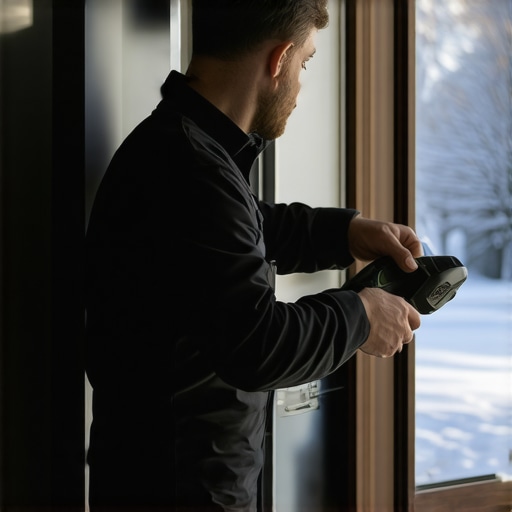
It was a cold, blustery night when I first realized my furnace wasn’t working. I had just finished a long day, eager to kick back, only to find my living room was colder than outside. The panic set in—winter was coming, and I had no idea if my heating system would hold up. That lightbulb moment made me vow to never be caught off guard again. If you’ve ever faced the chilling realization that your heater is failing just as temperatures drop, you know exactly how stressful it can be.
Why Proper Furnace Maintenance Matters Before Winter Hits
Let’s be honest—winter isn’t waiting around for us to get prepared. It sneaks up, and suddenly, that freezing night makes you wish you’d paid more attention to your heating system. Regular service and proactive repairs aren’t just about comfort; they’re about safety and saving money. A neglected furnace can turn into a costly emergency in the dead of winter, and the last thing you want is to be stuck shivering because of avoidable issues.
From my experience, the biggest mistake I made early on was ignoring that odd noise my furnace made last fall. Turns out, that was a sign something was wrong. Had I caught it sooner, I could have avoided the cold nights and hefty repair bills. That’s why I recommend staying ahead of the game. Check out these expert tips for winter readiness to keep your home warm and your system running smoothly.
Is Investing in a New Furnace Worth It Before Winter?
Many homeowners wonder if it’s better to repair or replace. I’ll admit, I was hesitant to spend on a new system, thinking repairs would suffice. But early in my journey, I learned that sometimes, upgrading is the smarter move. A new furnace can improve energy efficiency, cut costs, and provide peace of mind. The key is knowing when to repair and when to replace, which you can learn more about in the trusted expert advice.
Start with a Thorough Inspection
Before temperatures plummet, I recommend conducting a detailed visual check of your furnace. Turn off the system, open the access panel, and look for signs of wear—rust, cracks, or loose parts. During my first inspection, I noticed a small crack in the blower belt, which could have led to a breakdown if ignored. Replacing or tightening loose components now prevents costly repairs later. For detailed guidance, visit these expert furnace maintenance tips.
Replace or Clean Filters to Boost Efficiency
Clogged filters are like trying to breathe through a blocked straw—your furnace works harder, wasting energy and increasing wear. I once neglected my filter until my system started making strange noises. After replacing it with a high-efficiency filter, my system ran smoother and heated more effectively. Make it a habit to replace filters every 1-3 months, especially during winter. This simple step pays off by extending your furnace’s lifespan and reducing energy bills.
Check the Thermostat for Accuracy
Think of your thermostat as the home’s brain—if it’s not calibrated properly, your furnace will either overheat or underperform. I once had a thermostat that read 5 degrees higher than the actual room temperature, leading to uneven heating. I replaced the batteries and recalibrated it following the manufacturer’s instructions. To avoid surprises, test your thermostat now; if it’s inconsistent, consider upgrading to a smart thermostat for better control and energy savings. Learn more from these expert recommendations.
Inspect and Clean the Ventilation System
Blocked or dirty vents are like trying to blow through a clogged pipe—airflow is restricted, reducing efficiency. I once found a pile of dust and debris in my vents, which I cleaned out with a vacuum and a brush. This improved airflow significantly. Regularly inspect vents and ducts for obstructions, and schedule professional duct cleaning if needed. Proper ventilation not only improves heating but also maintains indoor air quality.
Test Safety Features and Emergency Shut-Offs
Safety is paramount. I tested my furnace’s carbon monoxide detectors and found them working perfectly, giving me peace of mind during cold nights. Always check your safety sensors and shut-off switches; if they’re malfunctioning, get them repaired immediately. Familiarize yourself with emergency procedures, so you’re prepared if an issue arises. Reliable safety measures are the backbone of winter comfort.
Schedule Professional Maintenance
Finally, I learned that nothing beats a professional tune-up. I booked a service with trusted experts, and they performed a comprehensive check, including inspecting the heat exchanger and testing system pressures. This preventive maintenance ensures your furnace runs safely and efficiently all winter long. For peace of mind, consider consulting these trusted professionals to keep your heating system in top shape.
Many homeowners operate under misconceptions when it comes to furnace maintenance, often leading to costly mistakes or overlooked issues. Let’s dig deeper into what most people get wrong about keeping their heating systems in top shape, especially before winter strikes. Understanding these nuances can save you money, enhance safety, and ensure reliable comfort in the cold months.
Why Believing That a Filter Change Is All Your Furnace Needs Is a Trap
It’s a common belief that replacing the filter is the primary maintenance step for a furnace. While a clean filter improves efficiency, this is just the tip of the iceberg. Many overlook the importance of inspecting other components such as the blower motor, heat exchanger, and gas connections. Neglecting these parts can lead to decreased performance or dangerous carbon monoxide leaks. Regular professional tune-ups are essential because they can identify hidden issues that simple filter replacement won’t catch. For comprehensive guidance, visit these expert furnace maintenance tips.
Debunking the Myth That Repairs Are Always Cheaper Than Replacement
People often think that fixing an aging furnace is more economical than replacing it. However, this isn’t always true. Constant repairs, especially on systems more than 15 years old, can add up quickly and may not restore the system to optimal efficiency. An outdated furnace might be costing you more in energy bills than the price of a new, high-efficiency model. An expert assessment can help you weigh repair costs against the benefits of upgrading. For more insights, check out trusted advice on when to replace your furnace.
What Advanced Homeowners Should Know About Thermostat Calibration
Many believe that digital thermostats are always accurate, but calibration issues can cause your furnace to cycle improperly. An inaccurately calibrated thermostat can lead to uneven heating or increased energy use. Advanced homeowners should consider smart thermostats with learning capabilities and remote diagnostics, which can be fine-tuned for perfect comfort. This small upgrade can prevent unnecessary wear on your system and save money over time. Learn more from these expert thermostat tips.
Have you ever fallen into this trap? Let me know in the comments. Recognizing the hidden nuances of furnace care ensures you’re not only prepared but also making smart decisions that protect your home and wallet. Proper maintenance, informed choices, and avoiding common myths are the keys to lasting winter warmth.
How do I keep my furnace running smoothly over time
Maintaining your furnace for long-term reliability requires more than just seasonal check-ups. Personally, I rely on a combination of high-quality diagnostic tools and systematic methods that help identify issues before they become costly repairs. One tool I swear by is the digital multimeter, which I use to test electrical components like relays, thermostats, and circuit boards. Accurate readings ensure that each part functions correctly and prevent unexpected failures during winter.
Another essential piece of equipment is an anemometer, which I utilize to measure airflow and ensure that my ductwork isn’t obstructed or leaking. Proper airflow is critical for efficiency and safety, especially when dealing with older systems. Regularly inspecting duct connections with this device helps me catch leaks or blockages early, saving energy and extending the system’s lifespan.
For cleaning and maintenance, I recommend a quality vacuum with HEPA filters and a brush attachment. I use this to clear dust from vents, blowers, and heat exchangers, maintaining optimal airflow and heat transfer. Keeping these components clean reduces strain on the motor and prevents overheating, which can lead to more serious issues down the line.
In addition to physical tools, I leverage software diagnostics when possible. Many modern furnaces come with diagnostic ports or Bluetooth capabilities that connect to apps on my phone. These apps provide real-time data on performance metrics and alert me to potential problems before they escalate. This integration allows for proactive maintenance and can significantly reduce downtime.
Looking ahead, I believe the trend is moving toward smarter HVAC systems with AI-driven diagnostics. These systems will continuously monitor performance, predict failures, and even automatically schedule maintenance, drastically reducing manual checks. As this technology becomes more affordable, I plan to upgrade my system for even greater peace of mind.
What practices help me keep my furnace in top shape long-term?
Consistency is key. I schedule bi-annual inspections with trusted professionals, focusing on components like the heat exchanger, gas lines, and safety sensors. During these visits, technicians perform detailed tests with specialized equipment, such as combustion analyzers, to ensure efficiency and safety. Following their advice, I also implement regular filter changes and duct cleaning to maintain airflow quality.
If you want to take your maintenance routine a step further, consider investing in a furnace monitoring system that alerts you to anomalies via your smartphone. Combining professional inspections with smart tech creates a robust defense against system failures and keeps your home warm and safe all winter. For expert guidance on tools and maintenance strategies, visit these reliable tips.
The Hardest Lesson I Learned About Furnace Care
One of my biggest surprises was realizing that simple filter changes weren’t enough. Regularly inspecting components like the heat exchanger and gas lines saved me from costly emergencies. I learned that neglecting these parts can lead to dangerous carbon monoxide leaks or system failures when you need heat most.
3 Myths About Furnace Maintenance That Held Me Back
I used to think that repairs were always cheaper than replacing an old furnace. Turns out, ongoing repairs on outdated systems can add up to more than a new, energy-efficient model. Upgrading can actually save money and provide more reliable warmth through the winter.
What Experts Won’t Tell You About Long-Term Furnace Care
Many homeowners overlook the importance of professional tune-ups. I discovered that regular inspections by trusted technicians catch issues early—like worn belts or dirty burners—before they turn into cold nights or safety hazards. Their expertise is worth every penny for peace of mind.
My Essential Toolkit for Furnace Longevity
I rely on a digital multimeter to test electrical parts and an anemometer to measure airflow, ensuring my system runs smoothly. These tools help me identify problems early, saving energy and extending my furnace’s lifespan. Combining tech with routine checks keeps my home warm and safe.
Where to Go from Here
If you’re serious about winter readiness, start with a detailed visual inspection and schedule a professional maintenance visit. For comprehensive guidance, explore these expert tips to stay ahead of the cold season and ensure your furnace keeps your home cozy all winter long.