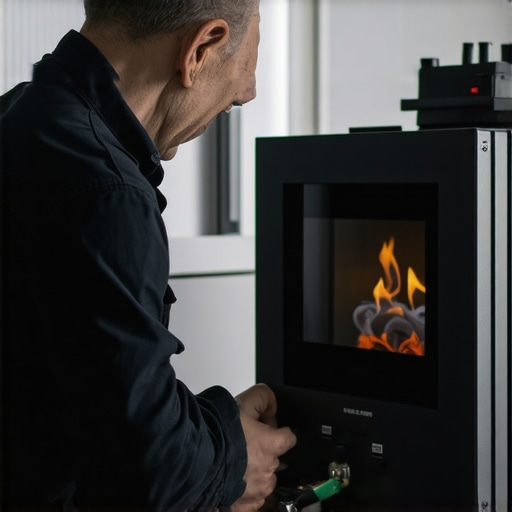
One chilly evening last winter, I stood in my living room, wrapped in a blanket, and watched my furnace sputter to a halt. The cold seeped in, and I realized I had ignored some early warning signs. That lightbulb moment made me vow to get ahead of the game this year. If you’ve ever faced the frustration of a malfunctioning furnace during the coldest months, you know how vital it is to be prepared. Today, I’ll share reliable heating service tips for 2024 that can save you from similar stress and keep your home warm all winter long.
Why Staying Ahead of Furnace Issues Matters More Than Ever
With winter approaching, ensuring your furnace runs smoothly isn’t just about comfort — it’s about safety, energy efficiency, and peace of mind. A well-maintained furnace reduces the risk of sudden breakdowns, which can leave you freezing and scrambling for last-minute repairs. Plus, neglecting basic upkeep can cause your system to work harder, driving up energy bills. According to the U.S. Department of Energy, regular maintenance can improve system efficiency by up to 30%. That’s money saved you don’t want to miss out on. If you’ve ever ignored small signs of trouble, like strange noises or uneven heating, you know how quickly those minor issues can turn into major headaches. Fortunately, I learned the hard way, and now I stay proactive — which is exactly what I’ll help you do today.
Is It Really Worth the Effort to Service Your Furnace?
Early in my experience, I made the mistake of thinking a quick filter change was enough. Turns out, neglecting comprehensive checks can lead to costly repairs or complete system failure. The truth is, investing in professional furnace services now can prevent those emergency calls later. Trusted experts, like those found at trusted furnace repair services, can identify hidden problems before they escalate. My advice? Don’t wait for a cold snap to realize your furnace isn’t up to the task. Regular tune-ups and inspections are your best defense against winter’s chill.
So, are you ready to learn the essential tips that will keep your home warm and your system reliable? Let’s dive into what you need to do now to prepare for winter 2024 and beyond.
Schedule a Professional Inspection
Think of your furnace as a car — regular check-ups keep it running smoothly. Last winter, I noticed my system struggling to heat the living room evenly, so I called a trusted furnace repair service. The technician performed a comprehensive inspection, catching a small crack in the heat exchanger that could have led to dangerous carbon monoxide leaks. Regular inspections like this prevent costly breakdowns and ensure safety.
Change Filters Regularly
Replacing filters might seem trivial, but it’s crucial. I learned this firsthand when my system’s airflow decreased dramatically, causing the furnace to overheat and shut down. Installing a new, high-quality filter improved airflow instantly. Set a reminder to change filters every 1-3 months, especially during peak heating season. Use filters with the right MERV rating for your system to maximize efficiency.
Clean and Maintain Vents and Ducts
Blocked vents or dirty ducts reduce heat distribution. I once neglected this step, and rooms stayed cold despite the furnace running constantly. I cleared out vents and scheduled duct cleaning, which made a noticeable difference in warmth and system performance. Regularly vacuum vents and consider professional duct cleaning to keep airflow unobstructed.
Adjust Thermostat Settings Wisely
Smart thermostat use can save energy and improve comfort. During my last service, the technician showed me how programming my thermostat to lower temperature when I’m away or asleep can cut costs without sacrificing warmth. Invest in a programmable or smart thermostat to fine-tune your heating schedule for maximum efficiency.
Upgrade to High-Efficiency Components
If your furnace is over 10 years old, consider upgrading parts like the blower motor or heat exchanger. I replaced an outdated component with a more efficient model, which reduced my energy bills and improved reliability. Consult with HVAC experts to identify which upgrades will deliver the best return on investment.
Keep the Area Around Your Furnace Clear
Clutter around the furnace can block airflow and pose safety hazards. I learned this when my system shut down unexpectedly due to debris blocking the vents. Maintain a clear space around your equipment, ideally 3 feet of free clearance, to ensure proper operation and safety.
Monitor System Performance and Address Issues Promptly
Pay attention to unusual noises, strange smells, or uneven heating. Last winter, a rattling sound alerted me to a loose fan belt. Addressing small issues early prevents bigger problems. If you notice anything out of the ordinary, contact professional repair services right away.
Many homeowners operate under misconceptions when it comes to furnace maintenance and repairs, which can lead to costly mistakes. As someone who’s navigated this maze firsthand, let’s dig deeper into the nuances most people overlook. One popular myth is that a simple filter change suffices for year-round comfort. In reality, comprehensive inspections by trusted furnace repair services reveal hidden issues that simple filters can’t catch, such as heat exchanger cracks or faulty thermostats. Relying solely on basic upkeep often results in unexpected breakdowns during the coldest months.
Another misconception is that upgrading to a high-efficiency furnace is always necessary. While newer models are appealing, many homeowners overlook that regular maintenance and component upgrades like blower motors can extend system life and improve efficiency without the hefty investment. An expert evaluation can help determine the most cost-effective approach for your specific system.
Now, here’s a trap I’ve seen many fall into — believing that ignoring small noises or minor temperature discrepancies isn’t urgent. This is a dangerous oversight. Small rattles or uneven heating are often early signs of more severe issues, like failing fans or duct blockages, and should be addressed promptly with professional help. Ignoring these signs can escalate small problems into complete system failures, especially during the peak of winter. Regular monitoring and quick action can save you from emergency repairs and discomfort.
What advanced signs should you look for beyond basic troubleshooting?
For the seasoned homeowner, understanding system performance at a granular level is crucial. For instance, fluctuations in airflow or inconsistent heating across different zones might indicate duct leaks or insulation problems that are not immediately obvious. Consulting with HVAC experts who perform detailed diagnostics can uncover hidden inefficiencies, ensuring your system operates at peak performance. According to a study by the Department of Energy, addressing these nuanced issues can improve efficiency by up to 30%, saving you money and extending your system’s lifespan. Don’t wait for a complete breakdown — proactive diagnostics are key. Have you ever fallen into this trap? Let me know in the comments.
How do I maintain my furnace over time?
Keeping your furnace in top shape requires the right tools and a proactive approach. One of my go-to devices is a reliable digital multimeter. I personally use the Fluke 117 because it provides accurate readings, helping me troubleshoot electrical issues quickly without guesswork. Regularly checking voltage and resistance on components like the thermostat and relay can prevent unexpected failures. Additionally, a good inspection mirror and a flashlight are invaluable for peering into tight spaces, especially when inspecting heat exchangers or duct connections. These tools save me time and help catch problems early.
For cleaning and maintenance, a soft brush and a vacuum with a narrow nozzle attachment are essential. I use a Craftsman vacuum, which is powerful enough to remove dust and debris from vents and the blower assembly, ensuring optimal airflow. When it’s time to replace filters, I rely on a MERV 13 filter from Nordic Pure; it strikes a great balance between filtration efficiency and airflow, which I’ve found keeps my system running smoothly without strain.
What software or methods help me monitor system performance?
Smart thermostats like the Nest Learning Thermostat are game-changers. I’ve installed one in my home, and it provides real-time data on temperature trends and energy consumption. The app allows me to adjust settings remotely and see detailed reports, so I know exactly how my system is performing. For more advanced diagnostics, I use HVAC performance monitoring tools like the HVAC Ranger, which connects via Bluetooth to my smartphone. This device measures parameters like airflow and pressure, providing insights that help me fine-tune my system.
Looking ahead, I predict that AI-powered diagnostic tools will become more prevalent, enabling even more precise maintenance schedules and fault detection. As technology advances, investing in smart sensors and diagnostic apps will streamline troubleshooting and reduce downtime.
Why investing in the right tools makes a difference
Using the proper equipment not only extends the lifespan of your furnace but also improves efficiency, saving you money in the long run. I recommend starting with a good multimeter, a smart thermostat, and some basic cleaning tools. Regularly scheduled maintenance with these tools can prevent costly repairs and ensure your system operates reliably through the cold months.
So, why not try out a smart thermostat or a diagnostic Bluetooth tool this season? They’re easy to set up and can give you peace of mind, knowing your furnace is ready to handle winter’s worst. For expert guidance, consider consulting trusted professionals like those at trusted furnace repair services. Stay ahead of problems and enjoy a warm, worry-free winter!
The Hardest Lesson I Learned About Furnace Care
One of my biggest surprises came when I ignored a minor rattling sound in my furnace, thinking it was just a normal part of operation. That small noise turned into a cracked heat exchanger that nearly caused a dangerous carbon monoxide leak. This taught me the importance of listening to every odd sound and addressing issues before they escalate.
3 Myths About Furnace Maintenance That Held Me Back
- Myth: Changing filters alone is enough.
Reality: Regular professional inspections can uncover hidden issues like duct leaks or worn components that simple filter changes won’t catch. - Myth: Upgrading to a new furnace is always necessary.
Reality: Proper maintenance and strategic component upgrades can extend your current system’s life and efficiency. - Myth: Small noises or uneven heating are harmless.
Reality: These are often signs of larger problems that should be checked by experts promptly.
Where to Go from Here
Investing in a comprehensive inspection at trusted furnace repair services can save you money and ensure safety. Using smart tools like a good multimeter or a smart thermostat helps me stay ahead of potential issues. Staying proactive now means a warmer, worry-free winter in 2024. Remember, the key is early detection—don’t wait for your furnace to fail before taking action!
Your Turn to Try
Have you ever ignored an odd noise or minor issue with your furnace? How did it turn out? Share your story below and let’s learn from each other to stay warm this winter!
Reading through this post really resonated with me, especially the part about listening to those odd sounds in your furnace. I once ignored a faint rattling and ended up with a cracked heat exchanger that could have been dangerous. I agree that regular inspections are a smart investment, not just for comfort but for safety. Since then, I make sure to schedule annual professional checkups and keep a close eye on any strange noises or fluctuations in heating.
I’m curious, how often do others here schedule their furnace inspections? Also, do you find that investing in high-quality filters or smart thermostats makes a noticeable difference in your energy bills? I’ve recently upgraded to a smart thermostat, and I’ve been surprised at how much more control I have over my heating schedule and costs. Looking forward to hearing everyone’s tips for maintaining a reliable and efficient heating system this winter!
This post hits on so many crucial points about furnace maintenance that I’ve learned the hard way over the years. I can’t stress enough how often I’ve taken minor issues lightly, only to face costly repairs during the coldest parts of winter. Regular professional inspections have saved me countless headaches and actually extended the life of my system. One thing I’ve found particularly helpful is labeling my filters with the recommended change date so I don’t forget, especially during busy months. Also, I’ve noticed that upgrading to a smart thermostat not only helps me save on energy costs but also gives me peace of mind knowing I can control the temperature remotely if I forget to turn the heat down before leaving. How do others here balance routine checks with more high-tech solutions like smart devices? I’m curious if you’ve found these investments truly worth it in the long run.
This post really emphasizes how crucial proactive maintenance is, especially as winter approaches. I’d add that keeping a maintenance log can be incredibly helpful—not just for tracking filter changes, but also for noting any irregularities or repairs made over the years. It’s surprising how small issues like uneven heating or persistent odd noises can signal larger underlying problems, and catching those early saves a lot of trouble. I also agree that investing in a programmable thermostat provides both convenience and savings, especially when paired with some smart home tech. Has anyone here experimented with additional sensors or diagnostic tools? I’ve been looking into smart sensors that monitor duct leaks or heat exchanger performance, thinking they might give an even deeper layer of protection. What solutions or upgrades have others found most effective in extending their furnace’s lifespan while maintaining efficiency? Would love to hear your experiences or any tips!” ,
This post really highlights how easy it is to overlook small issues with our furnaces until they become major problems. I remember ignoring a few strange noises last winter, only to find my heat exchanger cracked when I finally called a technician. It’s such a reminder that regular inspections and maintenance aren’t just about efficiency—they’re about safety too. I’ve started using a smart thermostat, which I find helps me manage my heating better, especially when I’m away or asleep. Have others noticed a significant difference in their energy bills after upgrading to smart devices? Also, what are some signs beyond odd noises and uneven heating that indicate a furnace needs professional attention? I’d love to hear how others are keeping their systems in top shape for the winter.