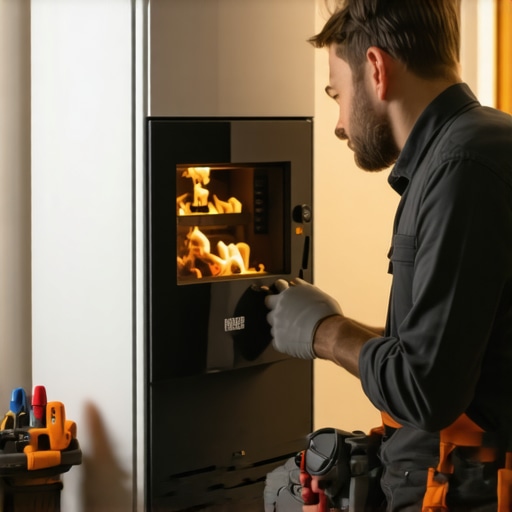
Ever had that sinking feeling when you flip the thermostat and your furnace refuses to cooperate just when you need it the most? I remember one particularly cold snap where my heater decided to take a vacation. It was a wake-up call that made me realize how crucial proper furnace maintenance is for winter comfort. That moment spurred me to learn the ins and outs of heating service tips, transforming me from a clueless homeowner into someone who can troubleshoot basic issues and prevent costly repairs.
Why Proper Furnace Maintenance Matters Before Winter Hits
Let’s face it, winter doesn’t wait for us to get our heating systems in shape. The last thing you want is to be caught in a cold snap with a furnace that’s on the fritz. Regular maintenance isn’t just about fixing problems; it’s about preventing them. Well-maintained furnaces run more efficiently, save money on energy bills, and last longer. Plus, a reliable heater keeps your home cozy and your family safe from the dangers of carbon monoxide leaks or system failures. I learned this the hard way early on when I ignored those small odd noises my furnace made, only to find out they were signs of impending failure. Trust me, a little proactive care goes a long way.
Is Furnace Maintenance Actually Worth the Hype?
Initially, I was skeptical about spending extra money on maintenance, thinking it was just a scam. But after a few cold nights and costly emergency repairs, I realized I had made a mistake. A professional inspection and tune-up can uncover hidden issues before they become serious problems. For example, changing filters regularly and checking the thermostat calibration can make a huge difference. If you’re curious about what reliable tips can do for your home, I recommend checking out this guide on expert furnace repair and heating service tips. It’s packed with practical advice that I wish I had known from the start.
So, if you’ve faced the frustration of a furnace that stalls during the coldest night, or you simply want to avoid that headache altogether, stay with me. I’ll walk you through the essential steps to keep your heating system running smoothly all winter long. Trust me, your future self will thank you for it.
Inspect Your Filters to Keep Air Flow Clear
One of the first things I did during my last maintenance session was replacing the air filter. I learned that a clogged filter restricts airflow, making your furnace work harder and less efficiently. I pulled out my filter, which was coated with dust and debris, and replaced it with a high-quality filter recommended by HVAC experts. This simple step improved my system’s efficiency immediately, and I noticed warmer air circulating more freely.
Check and Calibrate the Thermostat
Next, I tested my thermostat to ensure it was accurately reading the temperature. An uncalibrated thermostat can cause your furnace to cycle improperly, leading to uneven heating. I manually set the thermostat several degrees higher and lower to see if the system responded correctly. If not, recalibrating or replacing the thermostat can prevent uneven warmth and energy waste. For detailed guidance, I recommend reviewing this trusted guide.
Clean and Inspect Vents and Registers
To ensure maximum airflow, I vacuumed around my vents and registers, removing dust and obstructions. I also checked for any blocked or closed vents, which can cause pressure imbalances and reduce heating efficiency. Think of your ductwork like a highway; clear lanes mean faster, smoother traffic. For optimal results, consider consulting professionals for duct cleaning or inspection, similar to what you can find in this detailed service.
Examine the Pilot Light or Ignition System
If you have a gas furnace, I turned off the power and checked the pilot light—if it was out, I carefully relit it according to the manufacturer’s instructions. For newer models with electronic ignition, I inspected the ignition system for dust or corrosion. A faulty pilot or ignition can prevent your furnace from starting, especially during cold mornings. If you encounter persistent issues, professional help is advisable; experienced technicians can diagnose problems efficiently, as described in this repair guide.
Lubricate Moving Parts for Smooth Operation
I applied a few drops of lubricant to the blower motor and other moving parts, reducing friction and preventing wear. This simple maintenance step can prolong the lifespan of your furnace components and prevent unexpected breakdowns. Remember, never over-lubricate—use the type recommended by your furnace’s manufacturer. For more expert advice, check out this professional guide.
Schedule a Professional Inspection
Although I did these basic checks myself, I also scheduled a yearly tune-up with a licensed HVAC technician. Professionals can identify hidden issues like worn belts, faulty sensors, or leaks in the heat exchanger before they become costly repairs. Think of it as a health check-up for your heating system—preventive care keeps you warm and safe all winter. To find trustworthy experts, visit this trusted resource.
Many homeowners fall into the trap of believing oversimplified advice or outdated myths about furnace maintenance, which can lead to costly mistakes. One common misconception is that changing filters once a year is sufficient. In reality, most experts recommend replacing filters every 1-3 months, especially during peak heating season, to ensure optimal airflow and efficiency. Relying on this myth can cause your system to work harder, increasing wear and tear, and raising energy bills. For thorough guidance, check out this reliable HVAC tips resource.
Why Skipping Professional Inspections Can Be a Costly Mistake
Another widespread myth is that DIY maintenance can replace professional tune-ups. While basic tasks like filter replacement are manageable, neglecting annual inspections from licensed technicians can hide serious issues such as worn heat exchangers or faulty sensors. These problems, if left unaddressed, can lead to dangerous carbon monoxide leaks or system failures during the coldest nights. Investing in expert services not only prevents emergencies but also prolongs your furnace’s lifespan. Learn more about the benefits of professional inspections.
Advanced homeowners ask: How can I identify subtle signs of impending failure?
Many believe that only loud noises or complete breakdowns signal trouble. But experienced HVAC technicians know that tiny clues like inconsistent heating, unexplained increases in energy consumption, or slight odor changes often precede major failures. Recognizing these nuances requires a keen eye and regular monitoring. For those looking to master these signs, reviewing advanced repair tips can be invaluable. Being proactive in identifying these subtle cues saves money and ensures comfort throughout winter.
Have you ever fallen into this trap? Let me know in the comments. Remember, understanding the nuances of furnace maintenance can make all the difference between a cozy winter and a chilly surprise.
Investing in the Right Equipment for Long-Term Success
Maintaining your furnace over time requires more than just basic cleaning; it’s about having the right tools to diagnose and fix potential issues before they escalate. One of the most valuable investments I made was a high-quality digital multimeter. This device allows me to safely test electrical components like relays, thermostats, and circuit boards, ensuring they’re functioning correctly. I personally prefer models with auto-ranging features because they simplify testing and reduce errors, which is crucial when troubleshooting complex systems.
Another essential tool I rely on is a combustion analyzer. This device helps me verify that my furnace’s burner is operating efficiently and safely by measuring exhaust gases. It’s particularly important for detecting incomplete combustion that can lead to dangerous carbon monoxide buildup. I recommend the Testo 310 model, which offers precise readings and easy-to-understand displays, enabling me to perform quick diagnostics and maintain safe operation.
Furthermore, I always keep a set of HVAC-specific cleaning brushes and vacuum attachments handy. These tools help me clean out dust, dirt, and debris from the blower assembly, heat exchanger, and other critical parts. Regular cleaning with these tools not only prolongs the lifespan of my system but also improves efficiency. For detailed guidance on cleaning procedures, I recommend reviewing this expert guide.
How Do I Maintain My Furnace Tools Over Time?
Proper maintenance of your diagnostic and cleaning tools is vital for their longevity and accuracy. I make it a point to calibrate my multimeter annually, following the manufacturer’s instructions, to ensure accurate readings. Additionally, I regularly replace filters and vacuum attachments for my cleaning brushes to prevent dust buildup, which can compromise their effectiveness. Storing my tools in a dedicated toolbox prevents damage and keeps everything organized, making troubleshooting quicker and more efficient. As technology advances, I believe the trend toward smart diagnostic tools will continue, offering even more precise data and remote monitoring capabilities, which will make maintaining your furnace easier and more reliable.
If you’re serious about keeping your heating system in top shape, try investing in a combustion analyzer or a digital multimeter with HVAC-specific features. These tools will empower you to identify issues early and save money on repairs. Consistent tool maintenance, like calibrating your devices and replacing worn-out parts, ensures your diagnostics remain accurate over time. For comprehensive tips and step-by-step maintenance routines, check out this trusted resource.
The Hardest Lesson I Learned About Furnace Maintenance
One winter, my furnace unexpectedly stopped working during a snowstorm. That frustrating experience taught me that ignoring the small signs of trouble can lead to costly emergencies. Now, I know that regular inspections reveal hidden issues before they escalate, saving me money and stress.
How I Discovered the Power of Simple Tools
Investing in a digital multimeter and combustion analyzer changed the game for me. These tools helped me diagnose electrical and combustion problems, allowing me to fix minor issues myself. Trust me, having the right equipment is a game-changer for proactive furnace care. For trusted tools, I rely on expert-recommended equipment.
Why Professional Inspections Are Worth Every Penny
Despite my DIY efforts, I learned that annual professional tune-ups uncover dangers like cracked heat exchangers or faulty sensors. These issues can cause dangerous carbon monoxide leaks or breakdowns in the coldest weather. A trusted technician can ensure your furnace operates safely and efficiently all winter long. Find reliable experts at this resource.
Insider Wisdom for Lasting Warmth
- Small signs matter: Unusual odors, inconsistent heating, or increased energy bills often signal trouble before a total breakdown.
- Filter changes are critical: Regularly replacing filters prevents airflow blockages that strain your system.
- Thermostats need calibration: Accurate temperature readings ensure your furnace heats efficiently without wasting energy.
Keep Your Furnace Ready for Anything
By learning from my experiences and using trusted tools and professional help, you can avoid the cold surprises I faced. Regular maintenance isn’t just a chore—it’s an investment in your home’s comfort and safety. To dive deeper into expert furnace care tips, check out this comprehensive guide.
I really appreciate the comprehensive tips shared in this post, especially about checking and calibrating the thermostat. In my experience, a well-calibrated thermostat makes a significant difference in maintaining consistent temperatures and saving energy. I remember once I ignored a small odd smell coming from my furnace, thinking it was nothing. Turns out, it was a warning sign of a potential gas leak which could have been dangerous. Regular inspections and paying attention to these subtle cues can save a lot of trouble. Do you think installing a smart thermostat would help homeowners catch issues earlier or optimize heating efficiency even more? I’ve heard they can provide real-time alerts and detailed insights, which sounds ideal for proactive maintenance.