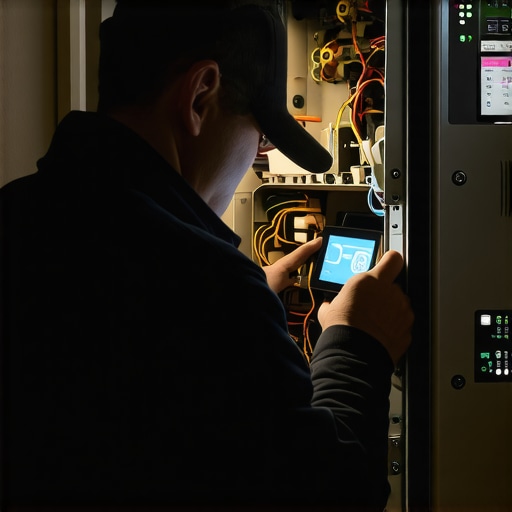
I’ll never forget the chilly evening I realized my furnace had suddenly stopped working, leaving my home freezing and me scrambling for emergency solutions. That moment hit hard — the realization that I might be left in the cold without proper heating. If you’ve ever faced that panic, you’re not alone. Winters can be unforgiving, and a malfunctioning furnace can turn your cozy house into an icy nightmare overnight.
Why Preparing Your Heating System Matters Now
As we approach the colder months of 2024, ensuring your furnace is reliable isn’t just about comfort — it’s about safety and peace of mind. According to the U.S. Department of Energy, a well-maintained furnace can cut your heating costs by up to 30%, saving you money and reducing energy waste. But more importantly, a properly serviced furnace prevents unexpected breakdowns at the worst possible time.
Early preparation means fewer surprises when the temperature drops. I learned this the hard way when my furnace failed during a snowstorm — a mistake I don’t intend to repeat. Regular maintenance and timely repairs can extend your system’s lifespan and ensure it runs efficiently all winter long. If you’re wondering whether it’s worth investing in professional heating services, I’ll help clear that up in the sections to come.
Have You Faced This Cold-Season Crisis?
Chances are, if you haven’t checked your furnace recently, you might be overdue for a tune-up. Don’t wait for a breakdown to realize how much you depend on reliable heat. Trust me — proactive steps save a lot of stress and money down the line.
In this post, I’ll share proven strategies to keep your heating system in top shape, including what to look for and when to call a trusted professional. We’ll also discuss common pitfalls and how to avoid them, so you can enjoy a warm, comfortable winter without worries. Ready to make sure your home stays cozy in 2024? Let’s dive into the essentials of furnace care and heating service excellence.
Inspect and Clean Your System Regularly
Start with a thorough inspection of your furnace, checking for any signs of wear or damage. I once found a clogged filter during a routine check that was restricting airflow—replacing it instantly improved efficiency and prevented a potential breakdown. Replace filters every 1-3 months, especially before winter hits, to ensure optimal airflow and energy efficiency. Also, clean the vents and registers to remove dust and debris that can hinder performance.
Schedule Professional Maintenance Before Winter
Book a professional tune-up at least once a year, ideally in the fall. A certified technician will inspect the system, lubricate parts, test safety controls, and calibrate thermostats. When I called a trusted HVAC service for my furnace last autumn, they identified a minor leak in the heat exchanger that, if left unchecked, could have caused carbon monoxide issues. Regular servicing extends your furnace’s lifespan and keeps it running efficiently throughout the cold months.
Choose the Right Service Provider
Look for local professionals with good reviews and certifications. For example, I used trusted furnace repair services that explained every step and provided a transparent quote. A reputable company will prioritize your safety and comfort, offering warranties and emergency support if needed.
Upgrade or Repair Components When Necessary
If your furnace is over 15 years old or frequently breaks down, consider replacing it with an energy-efficient model. I decided to upgrade my system last year, choosing a mini-split system for its versatility and efficiency. They offered mini-split heating services that fit my budget and needs. Modern systems can cut your energy bills and provide consistent warmth, especially in homes with variable insulation levels.
Learn Basic Troubleshooting
Familiarize yourself with simple fixes—like resetting the circuit breaker or cleaning the pilot light. During a cold snap, I noticed my furnace wasn’t firing up; a quick reset of the breaker restored heat temporarily until a technician arrived. These small actions can buy you time and prevent a full system failure.
Implement Preventative Measures for Cold Weather
Seal leaks around windows and doors, insulate pipes, and add weather stripping. I wrapped my attic and basement pipes last fall, which prevented freezing and costly repairs during the winter. Proper insulation retains heat and reduces strain on your furnace, ensuring reliable performance when temperatures plummet.
Consider Alternative Heating Solutions
Mini-split systems or space heaters can supplement your furnace, especially in rooms that tend to stay cold. For instance, I installed a mini-split in my living room, which provided quick, efficient heat and reduced my dependence on the main furnace. Explore options like mini-split AC and heating solutions for year-round comfort.
Many homeowners operate under misconceptions about furnace care, often leading to costly mistakes. Let’s dig deeper into some of the most common myths and reveal the hidden nuances that can make or break your winter comfort.
Why Relying on Annual Tune-Ups Might Not Be Enough
While scheduling a professional furnace tune-up once a year is a good practice, it’s a misconception that this alone guarantees optimal performance. Modern systems benefit from more frequent check-ins, especially if you notice unusual noises or declining efficiency. According to HVAC experts, biannual inspections—once in fall and again in spring—can catch issues early, saving you money and extending your system’s lifespan.
Myth: A Bigger Furnace Means Better Heating
This is a common fallacy. Oversized furnaces cycle on and off more frequently, which can cause uneven heating, higher energy bills, and increased wear and tear. An expert load calculation, considering your home’s insulation and layout, is essential for choosing the right size. Proper sizing not only improves comfort but also enhances efficiency and durability.
Understanding the Risks of Ignoring Small Issues
Many homeowners dismiss minor signs of trouble, like a slight increase in energy bills or unusual smells, assuming they are insignificant. However, these small issues often indicate larger problems such as duct leaks or heat exchanger wear. Addressing these early can prevent serious failures or safety hazards like carbon monoxide leaks. Regular inspections are key, especially if your furnace is over a decade old.
How Advanced Technologies Can Improve Your Heating System
Many believe that upgrading their furnace is unnecessary if it still works. But integrating smart thermostats and variable-speed blowers can drastically improve efficiency and comfort. These technologies allow precise temperature control and reduce energy waste. For a more energy-efficient home, consider combining your existing system with mini-split solutions, which can provide supplemental heating without overworking your furnace. Learn more about mini-split heating services that can complement your current setup.
What Advanced Homeowners Need to Know About Maintenance
For those who want to go beyond basic care, understanding the importance of duct sealing and insulation is crucial. Leaky ducts can reduce your system’s efficiency by up to 30%, according to the U.S. Department of Energy. Sealing ducts and insulating your home can reduce the workload on your furnace, saving energy and money. Also, consider the impact of weather stripping and window sealing—small investments that significantly cut heat loss. These nuanced strategies often go unnoticed but offer substantial benefits, especially in older homes.
Have you ever fallen into this trap? Let me know in the comments. Mastering these nuances ensures your furnace performs reliably year-round, keeping your home warm and safe even in the coldest months.
Keep It Running: Tools I Trust for Furnace and HVAC Maintenance
Maintaining your heating system isn’t just about routine checks; it’s about precision and using the right equipment. Over the years, I’ve found that investing in specific tools makes all the difference in catching issues early and ensuring long-term reliability. One essential device I rely on is a high-quality digital multimeter. It allows me to test electrical components like thermostats and relays accurately, preventing potential failures before they happen.
Another tool I swear by is a combustion analyzer. This device measures the efficiency of your furnace’s combustion process, ensuring it’s running safely and efficiently. Regular use of a combustion analyzer helps me spot problems like improper venting or dirty burners that could lead to carbon monoxide leaks or higher energy bills. I personally prefer models with Bluetooth connectivity, so I can log data and review it later or share it with a professional if needed.
For inspections, a durable flashlight and a mirror on an extendable pole are invaluable. They help me see into tight spaces, like behind the furnace or inside ductwork, without unnecessary disassembly. I also keep a set of screwdrivers, pliers, and a multibit wrench handy for quick adjustments or repairs. I’ve learned that having these tools organized in a dedicated toolbox saves time and reduces the chance of lost parts during maintenance.
How do I maintain my HVAC systems over time?
Beyond the physical tools, software plays a crucial role. I use a home maintenance app to track service schedules, filter changes, and repair history. This helps me stay proactive rather than reactive. For example, setting reminders for filter replacements every three months ensures I never forget, which is critical for system efficiency and longevity.
Looking ahead, I predict that smart diagnostic tools will become even more integrated into home HVAC maintenance. These tools will provide real-time alerts on system performance, potentially through smartphone apps, enabling homeowners to address issues immediately. Investing in a smart thermostat that monitors system health is a step in this direction, offering insights that can prevent costly breakdowns.
Make Your Maintenance Routine More Effective
One tip I recommend is regularly checking your condensate drain and clearing any blockages. A clogged drain can cause water backup and damage your furnace. Using a simple wet/dry vacuum or a specialized drain cleaning brush can keep this critical component functioning smoothly. Incorporating these small but significant checks into your routine ensures your system stays in top shape.
If you haven’t already, consider testing your system’s efficiency with a combustion analyzer or investing in smart diagnostics. These tools can save you money and hassle in the long run. Take control of your home’s comfort by making maintenance a priority today.
Remember, a well-maintained furnace not only keeps you warm but also extends its lifespan and reduces energy costs. Don’t wait until a breakdown forces urgent repairs — be proactive with these tools and tips to keep your heating system reliably working all winter long.
What I Wish I Knew Before Ignoring My Furnace
One of the biggest lessons I learned was that ignoring small signs of trouble can lead to costly repairs or dangerous safety hazards. For example, I once dismissed a faint smell from my furnace, only to discover later it was a cracked heat exchanger that could have caused carbon monoxide leaks. Recognizing early warning signs and addressing them promptly saves you money and keeps your home safe.
Another insight is the power of regular, proactive maintenance. Scheduling biannual inspections and keeping up with filter changes dramatically extended my system’s lifespan. It’s not just about fixing problems—it’s about preventing them before they happen, which is the secret to reliable heating in winter.
Finally, I realized that investing in modern technology like smart thermostats and duct sealing can make a significant difference in energy efficiency and comfort. These upgrades might seem optional at first, but they pay off in lower bills and consistent warmth throughout the season.