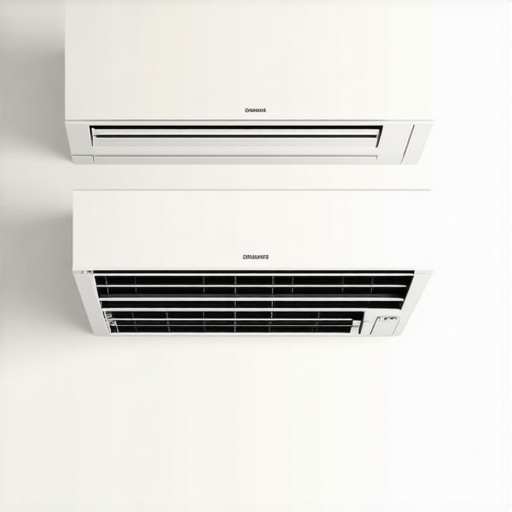
Ever been in the middle of a scorching summer day, only to realize your old air conditioner just can’t keep up? I’ve been there—sweaty, frustrated, wishing I’d invested in better cooling solutions. That lightbulb moment made me dive deep into the world of top AC installation and mini-split systems. If your home feels like an oven and traditional units are falling short, you’re not alone. Many homeowners face this struggle, especially as climate patterns shift and demand for reliable, energy-efficient cooling skyrockets.
Why Reliable Cooling Matters More Than Ever in 2024
Heatwaves are becoming more frequent, and our expectation for comfort isn’t just for luxury anymore—it’s a necessity. An inefficient or poorly installed AC system can lead to skyrocketing energy bills and uneven cooling, leaving some rooms chilly while others stay hot. That’s why choosing the right mini-split or central AC system isn’t just about cooling; it’s about quality of life. And trust me, a professional installation can make all the difference. I learned this the hard way early on, when I tried a DIY setup that looked perfect on paper but left my house either too cold or not cold enough.
Thinking if It’s Worth the Investment?
Many skeptics wonder if these advanced systems are really worth the hype. I get it—costs can seem daunting, and with so many options, it’s easy to feel overwhelmed. What I didn’t realize at first is that improper installation—something I tried to skip—can negate all the benefits a top-tier system offers. Rushing into a purchase or trusting an unqualified installer can lead to inefficiency, higher bills, and even equipment failure. For a true long-term solution, I recommend seeking trusted experts who understand the nuances of mini-split system installation and how to optimize your home’s cooling.
By now, you might be asking yourself, “Am I making the right choice?” That’s why I’ll walk you through the key steps to ensure your cooling system is reliable, energy-efficient, and tailored to your home’s unique needs. Ready to say goodbye to summer sweat and hello to consistent comfort? Let’s dive into how you can achieve this with expert advice and proven strategies.
},
Select Your System Carefully
Start by researching different mini-split or central AC systems. Think of this as choosing the right vehicle: you want something that fits your home’s size, your cooling needs, and your budget. I once rushed into buying a mini-split without proper sizing, which resulted in uneven cooling. After consulting with trusted experts, I found a unit perfectly matched to my space, leading to consistent comfort.
Assess Your Home’s Unique Needs
Before installation, perform a thorough home assessment. Measure rooms, check insulation quality, and identify areas prone to heat gain. Imagine your home as a puzzle; each piece affects the overall comfort. I used a simple tape measure and a thermal camera to spot hotspots in my house, which helped me and my installer decide on the best placement for the units, ensuring maximum efficiency.
Hire Skilled Professionals for Installation
Don’t underestimate the importance of expert installation. It’s like building a ship—you need precision and experience. I learned this firsthand when a DIY setup caused refrigerant leaks and poor airflow. Trusted HVAC professionals, such as those who perform professional AC installation, ensure your system is correctly configured, sealed, and optimized for your home.
Ensure Proper Placement and Sealing
Think of your AC units as the lungs of your home. Proper placement maximizes airflow, while sealing ensures no cool air escapes. I once installed a unit too close to a window, which let in warm air and reduced efficiency. After repositioning and sealing gaps with weather-stripping, I immediately noticed better cooling and lower energy bills.
Optimize System Settings and Maintenance
Once installed, set your system for optimal performance. Use programmable thermostats to avoid wasteful cooling and schedule regular maintenance. I set my mini-split to run during peak heat hours and kept filters clean, which kept my system running smoothly and efficiently. Regular check-ups by trusted experts, such as those offering HVAC maintenance tips, prolong system life and prevent costly repairs.
Monitor and Adjust for Continuous Comfort
Keep an eye on your system’s performance. Use smart thermostats or simple feedback to tweak settings as seasons change. I noticed my system struggled with humidity in summer, so I added a dehumidifier, which complemented my AC, making the environment more comfortable. This ongoing adjustment ensures your investment continues to provide reliable comfort year-round.
Many homeowners believe that choosing the right mini-split or central AC system is enough to ensure reliable cooling. However, what often gets overlooked are the nuanced details that can make or break your system’s efficiency and longevity. Let’s dig deeper into some common myths and advanced mistakes that can trip you up if you’re not careful.
Do All Installers Offer the Same Quality? Think Again
One of the biggest misconceptions is that all HVAC professionals are equally skilled. In reality, expert installation requires specific training and experience, especially for complex mini-split setups. An improper installation can lead to refrigerant leaks, poor airflow, and uneven cooling, issues that might not surface immediately but will degrade over time. Always vet your installer’s credentials and look for proven track records, because cutting corners here often results in costly repairs down the line.
Myth of Oversizing and Undersizing Equipment
Many assume bigger units cool faster, but in reality, oversizing leads to short cycling, increased wear and tear, and higher energy bills. Conversely, undersized units struggle to meet your home’s cooling demands, especially during heatwaves. Proper sizing isn’t just about BTU calculations; it involves detailed house assessments, considering insulation, sun exposure, and room layout. Skipping this step is a common mistake that can significantly impact your system’s performance. For guidance, consult trusted experts who specialize in professional AC installation.
Why the Placement of Your Units Matters More Than You Think
Strategic placement of indoor and outdoor units is often underestimated. Units installed in direct sunlight or near heat sources will work harder, reducing efficiency. Similarly, positioning indoor units where airflow is obstructed or too close to heat-generating appliances hampers cooling. I learned this the hard way when my outdoor unit was shaded by trees, causing it to work overtime. Regularly review your setup and seek advice from specialists to ensure optimal placement. An expert-guided installation can prevent these pitfalls.
Are DIY Fixes and Adjustments a Good Idea?
Many homeowners attempt to tweak their systems without adequate knowledge, thinking it will save money. This is a trap. Minor adjustments can sometimes make things worse, especially if you’re not familiar with HVAC intricacies. For example, improper refrigerant charging can lead to inefficient cooling and damage the compressor. Always rely on certified professionals for maintenance and repairs. Regular tune-ups by trusted experts, like those offering HVAC maintenance tips, are crucial for sustaining system performance.
Have you ever fallen into this trap? Let me know in the comments. Remember, a little extra investment in expert guidance and proper installation today can save you a lot of trouble—and money—in the future.
How do I keep my cooling system running smoothly over time?
Regular maintenance is key to ensuring your mini-split or central AC system performs efficiently and lasts for years. I personally schedule seasonal check-ups with trusted HVAC experts who specialize in professional AC installation. These professionals inspect refrigerant levels, clean filters, and verify system components, preventing minor issues from escalating into costly repairs. Additionally, I keep an eye on airflow and listen for unusual noises, which can indicate early problems. Using a quality filter and replacing it every 1-3 months significantly reduces strain on the system and improves air quality.
One tool I highly recommend is a smart thermostat. It allows me to set precise schedules, monitor energy consumption, and receive alerts for system malfunctions. This proactive approach helps catch issues early, saving money and avoiding downtime. I’ve found that integrating a smart thermostat with my HVAC system has improved both comfort and efficiency, especially during seasonal transitions.
In the future, I believe smart, self-diagnosing HVAC systems will become the norm, providing real-time alerts and automatic adjustments to optimize performance. Staying ahead of maintenance needs will be easier than ever, reducing the risk of unexpected breakdowns.
What is the best way to keep my cooling system in top shape?
Consistent cleaning of filters and outdoor units is essential. I schedule a professional tune-up at least once a year, ideally before the peak summer months. This ensures that all components, including coils and fans, are free of dirt and debris, which can hinder heat exchange and increase energy use. Trusted experts, like those who offer HVAC maintenance tips, recommend inspecting refrigerant lines for leaks and verifying system pressures. These small steps can extend your system’s lifespan significantly.
Don’t forget to check your insulation and seal any leaks around windows and doors. Proper insulation reduces the workload on your AC, helping it maintain consistent cooling without overexerting. Combining good maintenance practices with smart home technology will keep your home comfortable and your energy bills in check for years to come.
Try implementing these maintenance strategies today and see how they can improve your system’s reliability. Regular care now can prevent headaches later, ensuring your home remains a cool haven during even the hottest days.
The Hardest Lesson I Learned About Home Cooling
One of my biggest mistakes was rushing into installing a mini-split system without proper sizing. It seemed efficient on paper, but it led to uneven cooling and increased energy bills. The lesson? Always consult with trusted experts who can perform detailed house assessments before choosing your system. This saved me from future headaches and costly repairs.
3 Myths About Home Cooling That Held Me Back
For a long time, I believed that bigger units cool faster, which isn’t true. Oversized systems short cycle and wear out quickly, while undersized ones struggle during heatwaves. Proper sizing is essential for energy efficiency and longevity. Trust professionals who understand the nuances of mini-split installation to get it right.
What Experts Won’t Tell You About Installing Cooling Systems
Placement of indoor and outdoor units can make or break your system’s performance. I once installed my outdoor unit in direct sunlight, which caused it to work overtime. Now, I prioritize shaded, unobstructed areas and regularly review setup with specialists. Proper placement and sealing are crucial for maximum efficiency and comfort.
My Essential Toolkit for Home Cooling
- Smart thermostats: They allow precise control and early detection of issues, saving money and ensuring comfort.
- Thermal cameras: Help identify hotspots in your home that need targeted cooling or insulation improvements.
- Trusted HVAC professionals: Regular tune-ups from certified experts extend system lifespan and prevent costly breakdowns.
Where to Go from Here
If you’re ready to upgrade your home’s cooling, start by researching mini-split or central AC systems that match your home’s needs. Always opt for professional installation to ensure optimal setup and performance. Remember, investing in quality now pays off through lower energy bills and lasting comfort.
Your Turn to Try
Now that you know the importance of proper sizing, placement, and professional installation, it’s your move. Have you ever struggled with uneven cooling or inefficient units? Share your experience below and let’s learn from each other!
This post really resonates with me because I also learned the hard way about the importance of proper sizing and professional installation when upgrading my home cooling system. I used to think bigger AC units meant faster cooling, but I quickly realized it caused short cycling and higher energy bills. Since then, I’ve become a firm believer in trusting qualified contractors who perform detailed house assessments to ensure the best fit. One thing I’ve added to my routine is using a smart thermostat, which helps me optimize operation and catch issues early. I’m curious—how many of you have experienced uneven cooling or other inefficiencies? Do you think smart home technology will become the standard for maintaining these systems in the future? I’d love to hear your experiences and tips for keeping AC systems running smoothly over time.