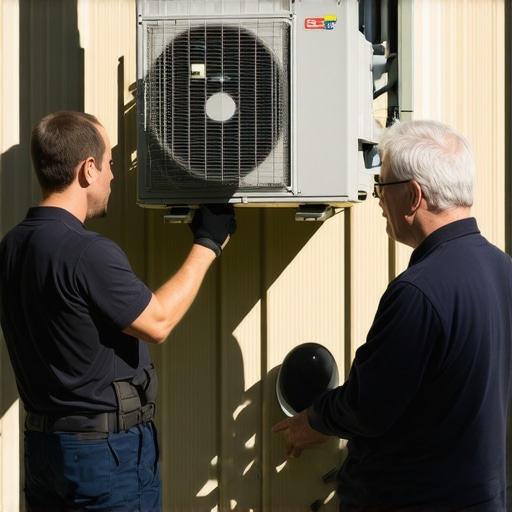
I remember the hot summer day when my old window AC decided to give out just as the heat wave hit its peak. Sweat dripping down my forehead, I realized I needed a quick fix — but what I thought would be a simple swap turned into a confusing maze of options and technical jargon. It was a lightbulb moment for me: understanding the ins and outs of AC installation, especially mini-split systems, is crucial to avoiding costly mistakes and ensuring lasting comfort.
Why Proper Mini-Split Installation Matters More Than Ever
In recent years, mini-split systems have skyrocketed in popularity for their energy efficiency and flexibility. But here’s the thing — even the best equipment can underperform if not installed correctly. I’ve seen firsthand how a rushed or sloppy installation can lead to uneven cooling, higher energy bills, and even system failure. According to the Department of Energy, improper installation is a leading cause of HVAC inefficiency, wasting energy and money. So, if you’re thinking about upgrading or installing a mini-split, doing it right from the start is essential.
Have You Faced the Frustration of a Poorly Installed System?
If your current setup isn’t cooling evenly, or if your energy bills seem higher than they should be, chances are installation errors are at play. Trust me, I’ve made the mistake of skipping professional advice early on — it cost me time, money, and comfort. That’s why I want to share reliable tips and strategies I’ve learned along the way, so you don’t have to go through the same hassle.
In this guide, I’ll walk you through the key steps to ensure your mini-split system is installed efficiently and effectively. We’ll cover everything from choosing the right location to sealing ductless units properly, and I’ll point you toward expert resources like effective mini-split installation tips that have helped countless homeowners get lasting results. Ready to become confident in your home’s cooling and heating setup? Let’s get started, and make sure your investment keeps your home comfortable for years to come.
Choose the Best Location for Your Mini-Split
Start by selecting an optimal spot for your indoor unit. Think of it like placing a spotlight—it needs to evenly spread cool air across your space. Avoid areas near heat sources, direct sunlight, or obstructions that block airflow. When I installed mine, I took the time to survey different spots, eventually settling on a wall that faced the living room without any furniture blocking the airflow. This simple step made a noticeable difference in cooling efficiency.
Prepare the Wall and Mounting Bracket
Use a level to mark the mounting points—accuracy here is key. The bracket must be perfectly horizontal to ensure the unit sits level, preventing water drainage issues. I once rushed this step and ended up with a tilted unit, which caused water to leak and made the system less effective. By double-checking with a level, I avoided future headaches and secured the bracket firmly into wall studs or anchors suitable for your wall type. Proper mounting sets the foundation for reliable operation.
Connect the Indoor and Outdoor Units Properly
Run the Refrigerant Lines and Power Cables
Carefully drill a hole for the lines and cables, sealing around it to prevent air leaks and moisture intrusion. When I did this, I used a dedicated hole saw and weatherproof sealant, which kept my system running efficiently and protected it from the elements. Make sure refrigerant lines are free of kinks or bends that could restrict flow. Properly connecting these components is like threading a needle—it requires patience and precision, but it pays off with a long-lasting system.
Seal and Insulate the Lines
This step is crucial. Wrap the refrigerant lines with foam insulation to prevent energy loss and condensation. I found that insulating the lines not only improved efficiency but also avoided water buildup that could damage the wall. Use weatherproof tape to secure the insulation, and ensure the connections are airtight. Think of it like wrapping a gift—it needs to be snug and well-sealed to perform optimally.
Electrical Connections and System Testing
Follow the manufacturer’s wiring diagram meticulously. Use a voltmeter to double-check voltage and ensure safety. Once connected, turn on the system and monitor for unusual noises or leaks. During my first installation, I tested the system by running it on cooling mode and checked if the airflow was even and quiet. Troubleshooting early prevents bigger issues down the line and guarantees your mini-split will operate reliably throughout the seasons.
Final Checks and Fine-Tuning
Inspect all connections, tighten any loose screws, and verify that the indoor unit is level. Clean the filters and ensure the outdoor unit has unobstructed airflow. When I completed my setup, a thorough review revealed a slightly tilted indoor unit, which I corrected to eliminate vibrations and noise. Proper final adjustments ensure maximum efficiency and longevity of your mini-split system. For more detailed tips, I recommend reviewing effective mini-split installation tips that can help you avoid common pitfalls.
While many homeowners believe that mini-split installation is straightforward or that any DIY approach will suffice, these assumptions can lead to costly mistakes. Let’s dig deeper into what most people get wrong about mini-split systems and how understanding these nuances can save you time and money.
Why the Myth of Universal Compatibility Fails
A common misconception is that all mini-split systems are compatible with every home. In reality, choosing the wrong size or model can result in inefficient cooling and increased energy bills. Experts emphasize the importance of selecting a system tailored to your space, considering factors like square footage, insulation, and existing ductwork. Skipping this step or relying solely on online calculators often leads to purchasing units that underperform or overconsume power. For advanced guidance, consult trusted resources like effective mini-split installation tips.
Beware the Underestimated Impact of Proper Sealing and Insulation
Many installers overlook the importance of sealing refrigerant lines and insulating them thoroughly. This seemingly minor step can dramatically influence efficiency. Without proper insulation, energy loss occurs, and condensation may form, leading to potential damage. I’ve seen cases where homeowners experienced increased energy bills simply because of poorly insulated lines. This is a hidden nuance that even some professionals miss, emphasizing the need for meticulous sealing and insulation practices. For a detailed approach, check out mini-split installation tips.
How Advanced Wiring Mistakes Undermine System Reliability
Electrical connections often seem straightforward, but improper wiring can cause system failures or safety hazards. Using the wrong gauge wire or poorly securing connections can result in short circuits or system shutdowns. This is especially true when integrating the system with existing electrical loads. An advanced mistake is neglecting to verify voltage compatibility, which can damage the system over time. Experts advise following the manufacturer’s wiring diagrams meticulously and using a voltmeter to double-check connections. For expert advice on electrical safety, visit mini-split solutions.
What about the Hidden Trap of Improper Location Selection?
Many think that the indoor unit can be placed anywhere, but this can hinder performance. Avoid locations near heat sources, direct sunlight, or obstructions that block airflow. An advanced understanding involves analyzing airflow patterns and ensuring the outdoor unit has unobstructed access for optimal heat exchange. Improper placement can cause the system to work harder, reducing lifespan and efficiency. When in doubt, consult resources like heating and cooling tips.
Have you ever fallen into this trap? Let me know in the comments. Remember, mastering these hidden nuances can make the difference between a system that lasts for years and one that requires frequent repairs. By paying attention to these advanced details, you ensure your mini-split provides reliable, efficient comfort for the long haul.
How do I maintain my mini-split system over time?
Regular maintenance is key to ensuring your mini-split system remains efficient and reliable. Personally, I recommend investing in a high-quality vacuum pump, such as the Robinair RG3PE, which I use to evacuate lines during annual check-ups. This tool allows me to remove moisture and air from the refrigerant lines, preventing corrosion and system failure. Additionally, a digital multimeter like the Fluke 117 helps me verify electrical connections and diagnose potential issues early, saving time and costly repairs.
Keeping your filters clean is a simple yet effective step. I set a reminder every three months to remove and wash the filters with mild soap and water. Dirty filters restrict airflow and reduce efficiency, ultimately putting extra strain on the compressor. For thorough cleaning and system checks, I turn to professional-grade refrigerant gauges such as the Yellow Jacket 418A. These gauges help me monitor system pressure and ensure the refrigerant levels are optimal, which is vital for long-term performance.
In the future, I predict that smart diagnostics will become more integrated into mini-split systems, enabling remote monitoring and predictive maintenance. This will allow homeowners and technicians to identify and fix issues before they escalate, reducing downtime and repair costs.
Why investing in reliable tools pays off
Using the right equipment is crucial. For example, I prefer the effective mini-split installation tips from trusted HVAC professionals, which emphasize precision during setup. Proper tools not only improve the quality of installation but also extend the lifespan of your system. Don’t overlook the importance of sealing and insulating refrigerant lines properly; high-quality foam insulation like the Armaflex provides excellent thermal protection and prevents condensation, which is essential for energy efficiency and system durability.
Finally, I encourage you to try the advanced tip of using a vacuum pump for line evacuation and a digital multimeter for electrical checks. These tools are game-changers in diagnosing issues early and maintaining peak performance. Remember, proactive maintenance and the right equipment can save you hundreds of dollars in repairs and energy costs over the system’s lifespan. To learn more about maintaining your mini-split effectively, visit reliable mini-split installation tips and keep your system running smoothly for years to come.
The Hardest Lesson I Learned About Mini-Split Installation
One of the biggest mistakes I made early on was rushing through the setup without proper insulation and sealing. It seemed minor at the time, but I quickly realized how much energy was slipping away due to poor line insulation and leaks. That lightbulb moment taught me the importance of meticulous sealing to boost efficiency and longevity.
Three Tips That Transformed My Mini-Split Comfort
- Choose the right location: Avoid heat sources and ensure unobstructed airflow for even cooling.
- Use quality tools: Investing in a reliable vacuum pump and digital multimeter made troubleshooting much easier and more precise.
- Follow detailed guides: Resources like effective mini-split installation tips helped me avoid common pitfalls and achieve professional results.
Where to go from here
If you want your mini-split to perform flawlessly for years, focus on precision and quality. Regular maintenance, like cleaning filters and checking electrical connections, is vital. Remember, mastering these hidden nuances not only saves money but also ensures reliable comfort. For more expert insights, explore reliable mini-split installation strategies and keep your system running smoothly.