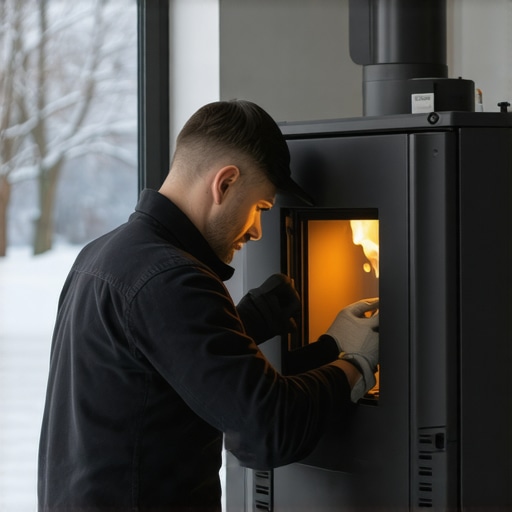
It was a cold night when I first realized my furnace was struggling to keep up. The house was creeping into the chilly zone, and no matter how high I turned up the thermostat, the heat just wasn’t enough. That moment made me understand how critical reliable heating is during winter. If you’ve ever been there, you know how unsettling it feels to depend on a system that might give out when you need it most. But don’t worry—there’s hope. Today, I’m sharing expert tips to ensure your furnace is ready to deliver warmth and comfort all cold season long.
Why Your Furnace Needs a Check-Up Before the Cold Hits
Getting your furnace inspected and maintained before winter isn’t just about avoiding a breakdown. It’s about safety, efficiency, and peace of mind. An overlooked issue can turn into a costly repair or worse—a dangerous carbon monoxide leak. According to the U.S. Department of Energy, regular maintenance can improve your furnace’s efficiency by up to 30%, saving you money on energy bills and reducing environmental impact. If you’ve ignored that little squeal or the odd smell, now’s the time to act. Have you faced a sudden breakdown in the middle of winter? If so, you already know how disruptive and stressful it can be. That’s why I recommend taking proactive steps to keep your system reliable.
Is Expert Furnace Repair Overhyped or Actually Worth It?
Early in my homeowner journey, I made the mistake of trying to fix minor furnace issues myself. That led to more problems and a hefty service call. Trust me, DIY might seem tempting, but a professional inspection from a trusted service can catch hidden issues before they become major failures. For tips on what to look out for, check out reliable furnace repair tips for winter. The key is to work with experts who understand the nuances of heating systems and can ensure your furnace runs smoothly and safely. Now, let’s get into the practical steps to prepare your system for the cold months ahead.
Check the Thermostat First
Start by inspecting your thermostat to ensure it’s functioning correctly. I once found my thermostat’s batteries dead just days before a cold snap, which left me shivering. Replacing batteries and setting the correct temperature can prevent surprises. For precise guidance on thermostat calibration, visit reliable furnace repair tips for winter. Next, verify that your thermostat’s wiring is secure and free from corrosion. A loose connection is like a leaky faucet—small but disruptive. Confirm the thermostat is compatible with your furnace model for optimal control.
Clean and Replace Filters
Clogged filters are a common cause of furnace inefficiency. I remember ignoring mine until the system started making strange noises. Once I replaced the filter, the furnace ran smoother and heated more evenly. Remove the filter and inspect it—if it’s dirty or clogged, replace it with a high-quality filter suited for winter use. Regular filter changes can improve airflow and reduce strain on your system, saving energy and extending its lifespan. Check your owner’s manual or consult top furnace repair tips for recommended filter types.
Inspect the Blower and Fan Components
The blower motor circulates warm air through your home. A dusty or jammed fan can reduce efficiency or cause motor burnout. I once found a squirrel’s nest lodged in the blower assembly, which nearly caused a system failure. Turn off power and carefully clean the blower blades with a soft brush. Lubricate moving parts if applicable—many modern systems are maintenance-free, but older models benefit from oiling. For detailed steps, see reliable furnace repair for winter. Ensuring the blower runs smoothly helps maintain consistent heat distribution and prevents costly repairs.
Examine the Ductwork for Leaks
Leaks in ductwork can rob your home of warmth. During a chilly winter, I noticed uneven heating and a significant jump in my energy bill. I used a smoke pencil to detect leaks—smoke escaping from joints indicated where to seal. Use mastic sealant or metal tape to patch leaks, and consider insulating ducts running through unheated spaces. Properly sealed ducts improve efficiency and comfort. For expert guidance, check furnace repair tips for cold seasons.
Test Safety Features and Carbon Monoxide Detectors
Safety is paramount. I test my carbon monoxide detectors monthly, replacing batteries annually. Also, inspect your furnace’s safety features like limit switches and flame sensors. A malfunctioning limit switch can cause overheating or shut down your system unexpectedly. Turn off the furnace, then clean or replace faulty sensors following manufacturer instructions. For comprehensive safety checks, see reliable furnace repair services. This proactive approach keeps your family safe during the cold months.
Schedule a Professional Inspection
Finally, even if you’ve done all the above, a professional tune-up can catch hidden issues. I once hired a trusted technician who identified a cracked heat exchanger before it became a dangerous problem. Regular inspections include checking combustion efficiency, inspecting heat exchangers, and calibrating controls. Schedule an appointment with a reputable service provider before the cold hits. For trusted experts, visit trusted HVAC professionals. A thorough check-up ensures your furnace will run reliably and safely all winter long.
Many homeowners operate under misconceptions about furnace maintenance and repair, often leading to costly mistakes or safety risks. Let’s dig deeper into some of the most prevalent myths and clarify the truths that can save you time, money, and trouble during the heating season.
Why DIY Repairs Can Backfire Even for Small Issues
It’s tempting to fix minor furnace problems yourself, especially with a quick online tutorial. However, I’ve seen many cases where DIY attempts cause more harm than good. For example, trying to adjust or clean the flame sensor without proper knowledge can inadvertently cause safety issues or damage sensitive components. According to reliable furnace repair tips, professional technicians have the training and tools to diagnose hidden problems that are invisible to the untrained eye. This expertise ensures your furnace operates safely and efficiently, preventing dangerous leaks or breakdowns that could occur from improper handling.
Myth: All Filters Are Created Equal
Many believe that any filter will do, but the reality is that choosing the wrong filter can compromise your system’s performance. Low-quality filters may restrict airflow, causing your furnace to work harder and wear out faster. Conversely, overly thick filters can clog quickly if your system isn’t designed for them. The secret lies in selecting a filter that matches your furnace’s specifications and your home’s air quality needs. Regularly replacing filters with high-quality options, as recommended in top furnace repair tips, is one of the simplest yet most impactful ways to maintain efficiency and indoor air safety.
Advanced Insight: Is Your Thermostat Really Working Correctly?
Many homeowners overlook the importance of precise thermostat calibration, assuming that setting the temperature is enough. But subtle inaccuracies can cause your furnace to cycle improperly, leading to uneven heating or increased energy bills. Modern thermostats with smart features often need to be calibrated or updated to ensure accuracy. A professional inspection can include testing and adjusting your thermostat for optimal performance, which is especially critical in colder months when precise control makes a big difference. For expert guidance, see reliable furnace repair tips.
Have you ever fallen into this trap? Let me know in the comments. Remember, a little knowledge combined with professional help can make your home warmer, safer, and more efficient this winter season.
Keeping your furnace in top shape requires more than just basic inspections; it involves using the right tools and following proven methods that ensure safety and efficiency over time. One of my favorite tools is a digital manometer, which I use to measure the pressure in your furnace’s combustion chamber. Accurate readings help prevent dangerous leaks and optimize performance, as recommended in reliable furnace repair tips. I personally rely on a reliable multimeter to check electrical connections and ensure that sensors and safety switches are functioning correctly, preventing costly failures.
For cleaning and maintenance, I highly recommend a flexible brush designed for blower wheels. It allows me to remove accumulated dust and debris without dismantling the entire assembly. This simple step significantly improves airflow and reduces strain on the motor, extending its lifespan. Additionally, a high-quality vacuum with a crevice tool helps in cleaning duct vents and removing dust from hard-to-reach areas, ensuring your system breathes freely and operates efficiently. Regularly using these tools, combined with a thorough knowledge of your system, helps catch issues early and maintain long-term reliability.
In terms of software, I suggest using HVAC diagnostic apps that can interface with smart thermostats and system controllers. These apps allow me to monitor system logs remotely and identify irregular patterns that might indicate impending failures. As technology advances, integrating smart diagnostics into your routine maintenance will become standard practice, reducing the need for costly emergency repairs. Looking ahead, I predict that AI-driven diagnostics and predictive maintenance will become more accessible, allowing homeowners to proactively address issues before they escalate.
How do I keep my furnace working well over time?
Maintaining your furnace over time involves a combination of regular inspections, timely part replacements, and staying informed about your system’s performance. Scheduling professional tune-ups at least once a year, especially before winter, ensures that filters, safety controls, and combustion components are in optimal condition. Regularly replacing filters with high-quality options, as advised in top furnace repair tips, keeps airflow unobstructed and reduces energy costs. Additionally, keeping an eye on system behaviors—such as unusual noises, cycling patterns, or fluctuations in temperature—can help you spot potential problems early. Remember, investing in the right tools and routine maintenance not only prolongs your furnace’s lifespan but also ensures it runs efficiently and safely for many winters to come. Don’t hesitate to try out a digital manometer or HVAC diagnostic app to elevate your maintenance game and catch issues before they turn into costly repairs.
The Hardest Lesson I Learned About Furnace Maintenance
One of my biggest realizations came after ignoring a small, persistent noise in my furnace. I thought it was nothing, but it turned out to be a cracked heat exchanger—a costly mistake that could have been avoided with a professional inspection. Now, I understand the importance of listening to my system and scheduling regular tune-ups from trusted experts, which you can find more about here.
Why Overconfidence in DIY Repairs Can Cost You
I used to think I could handle simple repairs myself, but I learned the hard way that some issues, like calibration or safety sensor replacement, require professional skills. Trusting experienced technicians ensures your furnace operates safely and efficiently. For guidance on what repairs to leave to the pros, explore this resource.
What I Wish I Knew About Duct Sealing
Leaky ducts can silently drain your home’s warmth and spike your energy bills. I discovered this after noticing uneven heating and increased costs. Sealing ducts with mastic or metal tape made a huge difference, improving comfort and saving money. Learn more about duct sealing techniques at this page.
My Unexpected Insight on Thermostat Calibration
Calibration errors in thermostats can cause uneven heating and higher bills. I once thought my thermostat was accurate, only to find it was off by a few degrees. Professional calibration or upgrading to a smart thermostat can improve control and efficiency. For expert advice, visit this link.
This post offers a comprehensive look at furnace maintenance that I really appreciate, especially highlighting the importance of early inspections before winter hits. I remember a time when I ignored that slight squeal in my furnace because I thought it was minor, only to have it break down on the coldest night of the year. Since then, I’ve learned to trust professional inspections for catching hidden issues early, saving me from stressful breakdowns. I also found the tip on duct sealing particularly useful; I had no idea that leaks could cause such uneven heating and higher energy costs. It makes me wonder—what’s the most effective way you’ve found to identify duct leaks without professional tools? I’m considering some DIY methods but want to ensure I do it right. Also, how often do others schedule professional tune-ups? Your insights could really help homeowners like me ensure our systems stay dependable during winter.
Reading through this post, I can totally relate to the importance of early furnace maintenance. I once ignored a small, unusual noise in my system, thinking it was nothing. When the cold snap hit, I was caught off guard by a sudden breakdown, and it was quite stressful. Since then, I make it a point to schedule a professional tune-up every fall, especially before the coldest months. I’ve also learned that checking and replacing filters regularly significantly boosts efficiency—something I initially overlooked. I’m curious, does anyone have a preferred method for testing duct leaks at home without professional equipment? I’ve considered using smoke sticks, but I wonder about their effectiveness or if there are other simple tricks. Also, how do you all keep track of your maintenance schedule to ensure nothing gets missed? Your tips would be greatly appreciated, especially for homeowners new to furnace upkeep.