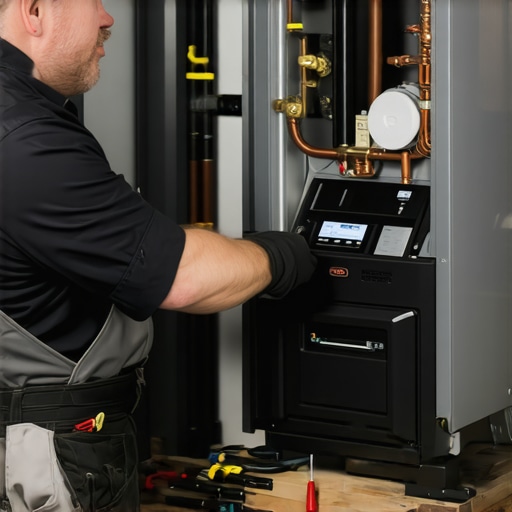
I still remember the chilly evening when I turned on my furnace, only to be greeted by a strange noise and no heat. Panic set in as I realized I hadn’t scheduled any maintenance or checked if my system was ready for winter. That moment taught me a hard lesson: trusting the furnace without proper preparation can leave you shivering when you need warmth the most. If you’ve ever faced a similar scare, you’re not alone. Many homeowners overlook essential furnace care until it’s too late, especially as the cold season approaches. But here’s the good news: with a few trusted tips, you can ensure your heating system runs smoothly throughout 2024’s harshest months.
Why Proper Furnace Maintenance Matters Now More Than Ever
As temperatures drop, your furnace becomes more than just a convenience—it’s a necessity. A well-maintained furnace not only keeps your home warm but also saves you money on energy bills and prevents costly repairs down the line. According to the U.S. Department of Energy, regular maintenance can improve furnace efficiency by up to 30%, which is a win-win for your comfort and your wallet. Yet, many homeowners neglect this crucial step, often due to busy schedules or misconceptions about furnace care. I learned firsthand that ignoring small warning signs—like strange smells or inconsistent heating—can lead to a complete system failure when you least expect it. That’s why I’m sharing these trusted tips to help you avoid the cold shock of a broken furnace this winter.
Have You Faced Unexpected Furnace Breakdowns?
If you’ve ever been caught off guard by a furnace failure during a cold snap, you know how disruptive it can be. I made the mistake early on of waiting too long to call in a professional, which only worsened the problem. It’s easy to think that minor issues will resolve themselves, but in reality, small troubles often snowball into major repairs. By following expert advice, like scheduling an annual tune-up or checking your filters regularly, you can catch problems early. Want to learn more about how to identify warning signs before they turn into emergencies? Check out trusted furnace repair tips to keep your system in top shape all winter long.
Check and Replace Filters Regularly
One of the simplest yet most effective steps I learned was changing my furnace filters every month during winter. Last year, I ignored this and noticed my system struggled to heat my home evenly. When I finally replaced the dirty filter, my furnace ran smoother, and my energy bills dropped. Think of filters as the lungs of your HVAC system—clogged filters choke the whole operation. Set a reminder to inspect and swap filters; it’s a quick task that prevents major issues.
Inspect Thermostat Settings and Batteries
Ensure your thermostat is set to ‘Heat’ and the temperature is appropriate for winter comfort. I once found my thermostat batteries dead, causing my heating to shut off unexpectedly. Replacing batteries is a quick fix that can save you from waking up freezing. Consider upgrading to a smart thermostat for better control and energy savings—many models integrate seamlessly with HVAC systems and offer remote adjustments. To maximize efficiency, program your thermostat to lower temperatures at night and when you’re away.
Clean and Clear Around Your Furnace
Clear away any clutter or debris from around your furnace to ensure proper airflow. I remember a time I stored boxes too close, which restricted airflow and caused my system to overheat. Use a vacuum or brush to clean the vents and intake areas. Proper airflow is vital for efficient operation and safety. If you’re unsure about cleaning ductwork or vents, consulting professional HVAC services can help maintain your system’s health. For expert guidance, check trusted furnace repair tips.
Schedule Annual Maintenance Before Winter Hits
Last fall, I scheduled a professional tune-up, and it made all the difference. A technician checked the electrical connections, burners, and blower motor—spotting small issues before they became costly failures. Regular maintenance extends the lifespan of your furnace and improves efficiency. It’s like taking your car in for an oil change before a long trip. I recommend booking a service with trusted experts who can perform comprehensive inspections. For reliable service, visit effective furnace repair services.
Test Your System’s Safety Features
Ensure your carbon monoxide detectors are functioning and that your furnace’s safety controls are working properly. I learned this the hard way after a CO detector alarmed due to a venting issue. Testing detectors is simple—press the test button and replace batteries if needed. If your system lacks modern safety features, consider upgrades to safeguard your household. Safety isn’t just about comfort; it’s about protecting those you love from invisible hazards.
Seal and Insulate Your Home
Sealing leaks around windows and doors prevents warm air from escaping. I used weatherstripping and caulk, which immediately made my home feel warmer without turning up the thermostat. Proper insulation reduces the workload on your furnace, saving energy and money. For comprehensive sealing strategies, check trusted furnace repair tips. This is especially important before the coldest months set in, ensuring maximum efficiency and comfort.
While regular furnace maintenance is essential, many homeowners fall into subtle traps that undermine their efforts and can lead to costly repairs or safety hazards. Let’s dig deeper into some of these misconceptions and advanced mistakes that even seasoned DIYers might overlook.
Why Relying Solely on Visual Inspections Can Backfire
Many assume that a quick visual check is enough to ensure their furnace’s health. However, systems often hide issues behind the scenes—like corroded wiring, worn-out igniters, or subtle leaks—that visual cues won’t reveal. Relying solely on sight can give a false sense of security. An expert approach involves comprehensive diagnostics, including testing electrical connections and airflow, which can only be performed during professional tune-ups. This is why scheduling annual inspections with trusted experts, like those at trusted furnace repair services, is crucial for long-term reliability.
Myth: Changing Filters Is All You Need
The common belief is that replacing filters monthly is enough to keep the furnace running smoothly. While filter replacement is vital, it’s only part of a larger picture. Overlooking ductwork cleanliness, sealing leaks, and inspecting heat exchangers can cause efficiency drops or dangerous carbon monoxide leaks. Advanced homeowners know that a holistic approach, including duct sealing and venting checks, maximizes safety and efficiency. For a comprehensive guide on optimizing your system, consult furnace and mini-split installation tips.
What About System Safety Features People Overlook?
Many assume that safety features like carbon monoxide detectors are enough, but they often forget to test them regularly. A detector can malfunction or batteries can die without warning. Additionally, safety controls on newer furnaces include flame sensors and limit switches that can fail silently. Neglecting to test these components or ignoring warning signs like frequent cycling or error codes can put your household at risk. Remember, routine testing and professional safety inspections are your best defense against unseen hazards. Learn more about safety checks from reliable safety inspection tips.
Have you ever fallen into this trap? Let me know in the comments. Staying vigilant and understanding these nuanced pitfalls can save you money, extend your system’s lifespan, and most importantly, keep your home safe and warm during the cold months ahead.
How do I keep my furnace running smoothly over time
Maintaining your furnace requires a combination of the right tools and consistent habits. I personally rely on a few specific pieces of equipment to ensure my system stays in top shape throughout the cold months. First, I always keep a digital multimeter handy. This device helps me check electrical connections and ensure components like the igniter and relays are functioning properly. I prefer a multimeter with auto-ranging features, such as the Fluke 117, because it saves time and provides accurate readings even for DIYers who might not be electrical experts.
Next, a good set of HVAC-specific screwdrivers and wrenches makes routine inspections and filter replacements much easier. I use a ratchet set with insulated handles to safely tighten or loosen electrical panels and access panels. For cleaning, a soft brush and a vacuum with a HEPA filter are invaluable for removing dust and debris from vents and burners. Keeping the blower motor clean prevents overheating and prolongs its lifespan.
In addition to physical tools, I highly recommend investing in a reliable carbon monoxide detector, like the Nest Protect, which not only alerts you to dangerous leaks but also tests itself periodically to ensure functionality. This is crucial because safety features can fail silently if not checked regularly.
For software support, I use a basic HVAC diagnostic app on my tablet. These apps provide troubleshooting guides and checklists that align with my system’s model, making diagnostics more straightforward. As technology advances, I predict that future tools will incorporate AI-driven diagnostics and remote monitoring capabilities, allowing homeowners and technicians to identify issues before they escalate.
To keep your furnace working efficiently over time, schedule annual professional inspections. These experts use specialized equipment to perform comprehensive diagnostics that go beyond what DIY tools can detect. For instance, they can measure heat exchanger integrity with ultrasonic testing and calibrate your thermostat for optimal performance. Regular maintenance combined with the right tools ensures your system remains reliable and safe.
Don’t forget to document your maintenance routines and tool inspections. Keeping a log helps track wear and tear and plan timely replacements, ultimately extending your furnace’s lifespan. Start incorporating these tools and habits today, and you’ll enjoy a warm, worry-free winter season. For more expert tips, visit trusted furnace repair resources.
The Hardest Lesson I Learned About Furnace Maintenance
One of my biggest realizations came when I ignored a small odd smell from my furnace, thinking it was nothing. That oversight led to a costly repair and a night without heat. Now, I always trust my instincts and get professional inspections if anything feels off, because minor issues can escalate quickly.
How I Discovered the Power of a Complete System Check
Initially, I believed replacing filters was enough. But after a professional tune-up, I learned that checking ductwork, safety controls, and heat exchangers prevents surprises. This holistic approach has saved me money and kept my home warm all winter.
Why Safety Features Are More Than Just Gadgets
Testing my carbon monoxide detectors regularly became my top priority after a scare. I realized that safety features can fail silently, so routine testing and upgrades are essential for peace of mind and household safety.
My Essential Toolkit for Furnace Survival
I rely on a good multimeter, HVAC screwdrivers, and a vacuum with a HEPA filter to keep my system in check. These tools empower me to perform basic maintenance, catch issues early, and extend my furnace’s lifespan.
What You Can Do Today to Prepare for Winter
Start with simple steps: replace filters, check your thermostat, clear around your furnace, and schedule an annual professional tune-up. These actions can dramatically improve efficiency and safety, ensuring your home stays warm and safe during the coldest months.