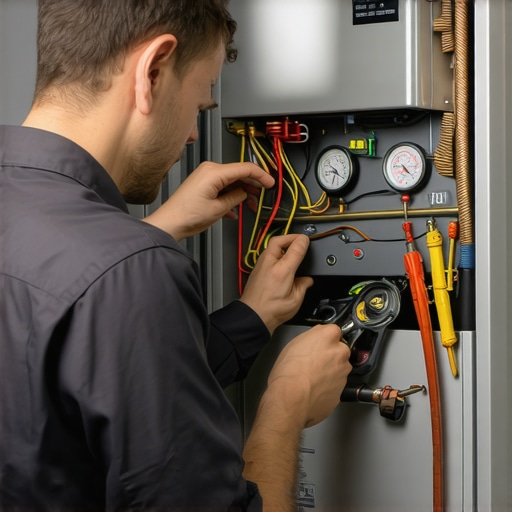
I remember the chilling winter night when my furnace suddenly shut down. The cold seeped in, and I felt helpless, scrambling for last-minute fixes. That lightbulb moment made me realize how crucial reliable heating maintenance really is. Since then, I’ve learned that a little knowledge and some proactive tips can save you from those freezing surprises. Today, I want to share with you the secrets I wish I knew earlier—simple, effective HVAC tips that can make your home cozy no matter the season.
Why Staying Ahead of Furnace Problems Matters More Than Ever
In my experience, waiting until your furnace fails during a cold snap is a recipe for disaster. Not only does it leave you uncomfortable, but emergency repairs can be costly and stressful. Regular maintenance and knowing what to look for can prevent most breakdowns, ensuring your home stays warm and your wallet stays intact. Plus, with climate change bringing more unpredictable weather, having a dependable heating system isn’t just nice—it’s essential. According to the Department of Energy, proper HVAC upkeep can improve efficiency by up to 30%, saving you money and extending the lifespan of your system.
Have you ever faced a sudden heating failure during the worst part of winter?
Trust me, I’ve been there. Early on, I made the mistake of ignoring small signs like uneven heating or strange noises. Those little issues turned into major problems because I didn’t address them early. That’s why I want to help you avoid my mistakes and share proven tips for reliable furnace and heating services. Ready to learn how to keep your system in top shape? Let’s dive into the practical steps that can save you from future cold nights.
Inspect Your Filters Regularly and Replace When Needed
Think of your furnace filters as the lungs of your heating system. When I first ignored a clogged filter, my system struggled to circulate warm air, causing uneven heating and higher energy bills. To avoid this, check your filters every month during peak seasons and replace them if they’re dirty or clogged. Use high-quality filters suited to your system, and remember that changing filters frequently can improve efficiency and prolong your furnace’s lifespan.
Keep Vents and Registers Clear for Optimal Airflow
Once, I learned this the hard way when a pile of clutter blocked a vent, leading to cold spots in my home. Make it a habit to clear furniture and drapes away from vents and registers. Proper airflow ensures your heating system works efficiently, reducing strain on components and preventing costly repairs. Regularly vacuum around vents to remove dust and debris that can hinder airflow, and consider scheduling a professional furnace repair and heating service check-up to catch hidden issues early.
Schedule Annual Professional Maintenance
During a routine tune-up, I watched a technician inspect and clean critical components, which made a noticeable difference in my system’s performance. Annual maintenance involves cleaning the blower, inspecting burners, testing safety controls, and checking for leaks or corrosion. This proactive approach prevents minor issues from escalating into major failures, saving you money and ensuring comfort. To find trusted experts, visit trusted heating service providers who follow best practices for comprehensive system care.
Seal and Insulate Ductwork to Improve Efficiency
I once had an attic duct system that was leaking air, which wasted energy and made certain rooms uncomfortably cold. Use mastic sealant or metal tape to patch leaks in duct joints, and add insulation around ducts running through unheated spaces. Properly sealed and insulated ducts ensure warm air reaches every corner of your home efficiently, reducing energy bills and extending your system’s life. For detailed strategies, explore expert duct sealing tips.
Monitor Thermostat Settings and Consider Upgrading
Initially, I kept my thermostat set to a high temperature, thinking it would heat my home faster. Instead, I learned that programmable thermostats can save energy and maintain consistent comfort. Set your thermostat to a comfortable temperature and program it to lower when you’re away or asleep. Upgrading to a smart thermostat allows remote control and learning your schedule, which can lead to significant savings. Check out mini-split systems for supplemental heating options if needed, especially in difficult-to-heat areas.
Many homeowners fall prey to misconceptions about their heating and cooling systems, which can lead to costly mistakes and comfort issues. As an HVAC expert, I’ve seen how these myths persist despite being debunked by professionals. Let’s dig deeper into some of the most common misconceptions, the nuances behind them, and how to avoid falling into these traps.
Are Bigger Furnaces Always Better for Your Home?
This is a widespread myth. Many believe that installing a larger furnace will heat their home faster and more effectively. However, an oversized system can cause short cycling, where the furnace turns on and off frequently. This not only reduces efficiency but also accelerates wear and tear, leading to premature system failure. Proper sizing, based on a detailed load calculation, ensures your furnace operates optimally and saves you money on energy bills. For detailed sizing techniques, I recommend checking trusted furnace sizing guides.
The Hidden Trap of Regular Filter Changes
While many know they should change filters regularly, they often underestimate the importance of using the right filter type. Low-quality filters or those not suited to your system can cause airflow restrictions, leading to increased energy consumption and system strain. Conversely, using a filter with the correct MERV rating ensures good filtration without hindering airflow. Remember, a filter that’s too restrictive can be just as problematic as a clogged one. Learn more about selecting the right filters at mini-split and filter selection tips.
Why You Shouldn’t Ignore Uneven Heating or Noises
Many homeowners dismiss odd noises or uneven heating as minor issues. But these are often early signs of bigger problems like duct leaks, failing blower motors, or dirty burners. Ignoring these signs can result in unexpected breakdowns during peak seasons, which are more expensive to repair. Regular professional inspections can catch these issues early, preventing surprises and extending your system’s lifespan. For expert advice on maintenance, visit trusted heating service providers.
Advanced Insight: How Proper Duct Sealing Impacts Efficiency
Many overlook the importance of duct sealing and insulation, assuming their ductwork is fine. However, leaks and poorly insulated ducts can cause significant energy waste, forcing your furnace or mini-split system to work harder. Sealing ducts with mastic or metal tape and adding insulation can improve efficiency by up to 20%, according to the Department of Energy. This simple step not only saves money but also ensures consistent comfort throughout your home. For detailed strategies, explore expert duct sealing tips.
Have you ever fallen into this trap? Let me know in the comments. Remember, a little knowledge and proactive maintenance go a long way in keeping your HVAC system reliable and your home comfortable.
Maintaining your HVAC system over time requires more than just regular checks; it demands the right tools and techniques that ensure longevity and optimal performance. As someone who has spent years in the field, I can attest that investing in quality equipment and adopting systematic methods makes all the difference. Today, I want to share my insights into the tools I recommend for keeping your heating and cooling systems running smoothly and how you can implement them effectively.
Invest in a Reliable Digital Manometer to Check System Pressure
A digital manometer has become an essential part of my toolkit. It allows me to accurately measure static pressure in ductwork and refrigerant pressure in mini-split systems. Proper pressure levels are critical for system efficiency and preventing damage. I personally prefer units like the Testo 510, which offer quick readings and durability. Regularly monitoring pressure helps detect leaks or blockages early, saving you from costly repairs down the line. For detailed guidance on pressure checks, explore mini-split installation tips.
Use a High-Quality Multimeter for Electrical Diagnostics
Electrical issues are common culprits behind HVAC failures. A professional-grade multimeter enables me to test voltage, current, and continuity with precision. I recommend models like Fluke 117, which are reliable and easy to use. By regularly testing connections and components, I can identify faulty relays, capacitors, or wiring before they cause system shutdowns. This proactive approach minimizes downtime and extends equipment lifespan. To learn how to troubleshoot electrical faults effectively, consider reading mini-split installation guides.
Implement Systematic Maintenance Schedules with Software Tools
While physical tools are vital, software solutions have transformed how I manage maintenance. I rely on apps like HVAC Pilot, which send reminders for filter changes, system inspections, and calibration checks. These tools help me keep track of maintenance history and plan future service visits. Over time, this systematic approach ensures no aspect is overlooked, reducing emergency repairs. Looking ahead, I believe AI-driven diagnostics will soon enable even more predictive maintenance, catching issues before they manifest. For now, establishing a routine with these digital tools is a game-changer. You might want to start with top maintenance apps.
Why Make Your Maintenance Routine Future-Ready?
As technology advances, the future of HVAC maintenance is heading toward automation and smarter diagnostics. Integrating sensors and IoT devices can alert you to potential problems in real-time, minimizing downtime. Investing in these tools today prepares you for a more efficient, reliable system tomorrow. I encourage you to try out a digital pressure gauge or a maintenance app this month—small steps that yield big results in system longevity.
What I Wish I Knew About HVAC Maintenance Before It Was Too Late
One of the biggest lessons I learned was how crucial timely inspections are. Ignoring those odd noises or uneven heating seemed harmless at first but turned into costly repairs later. It taught me that a proactive approach saves money and headaches.
Another insight was how improper duct sealing can secretly waste energy. Sealing leaks and insulating ducts was a game-changer, making my home warmer and bills lower without upgrading the entire system.
Finally, I discovered that smart thermostats aren’t just fancy gadgets—they’re essential for energy efficiency. Programming your thermostat or upgrading to a smart one can dramatically cut costs and improve comfort.
My Go-To Tools for HVAC Success
I swear by a digital manometer for pressure checks—it’s my secret weapon for early leak detection. A high-quality multimeter helps me troubleshoot electrical issues swiftly, avoiding unnecessary system shutdowns. I also rely on maintenance apps like HVAC Pilot to keep track of service schedules, ensuring nothing gets overlooked. If you’re serious about system longevity, these tools are worth every penny.
Your Next Step Toward Reliable Comfort
Don’t wait for your system to fail in the dead of winter. Take action today by inspecting filters, sealing ducts, or scheduling a professional tune-up. Your home’s comfort and your wallet will thank you. Remember, a little effort now prevents big problems later. Ready to make your HVAC system more reliable? Start with one small step and see the difference it makes.