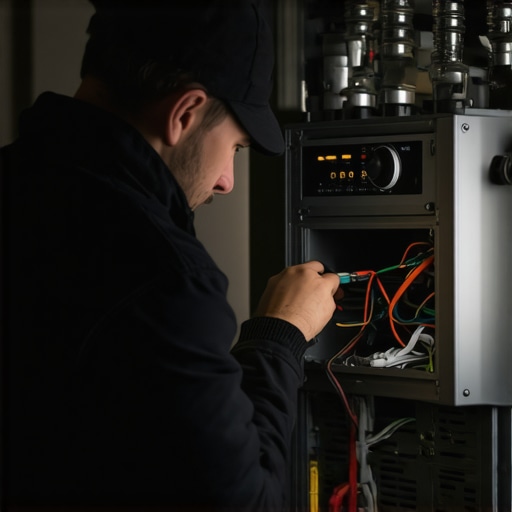
Last winter, I found myself shivering in my own home, desperately trying to coax warmth from a furnace that just wouldn’t cooperate. After several failed attempts and a late-night call to a technician, I realized how crucial it is to stay ahead of furnace issues before cold weather hits. That lightbulb moment pushed me to learn and implement practical furnace repair tips, and I want to share that knowledge with you. If you’re tired of unexpected cold snaps and costly repairs, this guide will help you ensure your heating system runs smoothly all winter long.
Getting Your Furnace Ready for Winter
What Can Go Wrong Without Proper Maintenance?
Trust me, I’ve been there—assuming my furnace will magically handle winter without a second thought. Early on, I neglected simple checks, which led to a breakdown when I needed warmth most. According to HVAC experts, neglecting routine maintenance can reduce your furnace’s efficiency by up to 30% and increase the risk of sudden failure. The good news? Many issues are preventable with a few proactive steps. In this post, I’ll walk you through the essential furnace repair tips that will keep your home warm and cozy for the months ahead. For more detailed advice, check out this comprehensive guide on furnace repair.
Is DIY Furnace Fixing Actually Worth the Hype?
Start with a thorough visual inspection
When I tackled my first DIY furnace check, I began by unplugging the unit and opening the access panel. I looked for obvious issues like dust buildup, rust, or loose wires. Think of it as giving your furnace a health check-up—spotting a frayed wire or a clogged filter early can prevent bigger problems later. Make sure to wear gloves and safety glasses to protect yourself from sharp edges and debris. For detailed guidance, visit this furnace repair resource.
Clean and replace filters to improve airflow
Next, I removed the air filter—the most forgotten component—replacing it with a new, high-efficiency one. Clogged filters restrict airflow, making your furnace work harder and less efficiently. Imagine breathing through a straw—it’s the same for your system. Regular filter changes, at least once every three months, keep your system running smoothly. For optimal results, consult these expert tips.
Check the pilot light or electronic ignition
If your furnace has a pilot light, ensure it’s lit; if not, inspect the electronic ignition system. I had to relight mine after it went out, which was straightforward but requires caution. A weak or flickering pilot indicates potential issues with the gas supply or thermocouple. If relighting doesn’t work, it’s best to contact a professional. For detailed troubleshooting, see this guide.
Inspect and clean the blower motor and fan
I removed the blower assembly and used compressed air to clear dust and debris from the motor and fan blades. Dust buildup can cause the motor to overheat or seize, leading to costly repairs. Think of it as cleaning the lungs of your furnace. Regular cleaning ensures efficient air circulation. Remember, if you’re unsure, it’s wise to call in a professional. For more advanced maintenance, check these expert services.
Test the thermostat for proper operation
I set my thermostat to heat mode and increased the temperature to see if the furnace kicks on promptly. If it doesn’t, the thermostat might need recalibration or replacement. Modern smart thermostats can be a game-changer, offering precise control and energy savings. If you’re considering an upgrade, explore mini-split options for efficient heating.
Schedule professional maintenance for comprehensive care
While I handled basic checks, I knew a professional tune-up was essential for peace of mind. An HVAC expert can perform a thorough inspection, clean the system deeply, and detect issues I might overlook. Think of it as a health check-up with a specialist—costly but worth it for longevity and efficiency. For reliable service providers, visit this list of top furnace repair services.
Many homeowners approach furnace repair, AC installation, or mini-split systems with preconceived notions that can lead to costly mistakes. As an HVAC enthusiast with years of hands-on experience, I’ve seen how these myths can delay proper maintenance or lead to poor decisions. Let’s dig deeper into what most people get wrong and how to avoid falling into these traps.
Why thinking DIY fixes are always enough can backfire
Everyone talks about DIY solutions, but the truth is, HVAC systems are complex and require specialized knowledge. Relying solely on online tutorials or basic troubleshooting can sometimes worsen the problem or create safety risks. For instance, attempting to relight a pilot light without proper precautions can lead to gas leaks or fire hazards. According to HVAC experts, professional maintenance ensures that systems are correctly diagnosed and repaired, saving you money and preventing future breakdowns.
Common myths about mini-split efficiency and installation
A prevalent misconception is that mini-splits are only suitable for small spaces or that they’re less efficient than traditional systems. In reality, mini-splits can be highly efficient and cost-effective for various applications, especially when properly installed. The key is in the design and placement. Poor installation or incorrect sizing can lead to inefficiencies and higher energy bills. To make the most of a mini-split system, it’s best to consult trusted experts for installation, like those mentioned in top mini-split services.
Advanced question: How do improper refrigerant levels affect system longevity?
Many homeowners overlook the importance of proper refrigerant charge. An incorrect level can cause the compressor to work harder, leading to increased wear and potential failure. Over time, this can significantly shorten the lifespan of your AC or mini-split system. Regular professional checks, as recommended in furnace and AC tune-ups, ensure refrigerant levels are optimal, preventing costly repairs down the line.
In conclusion, understanding the nuances behind HVAC maintenance, installation, and repair can save you money, improve efficiency, and extend the lifespan of your systems. Don’t fall for myths or shortcuts—trust expert advice and professional services for lasting comfort. Have you ever fallen into this trap? Let me know in the comments.
How do I maintain my HVAC tools and equipment over time?
Keeping your HVAC tools in top shape is crucial for effective repairs and maintenance. I personally rely on a few specific tools that have proven their worth over the years. For instance, I swear by a high-quality digital multimeter like the Fluke 115. It provides precise readings of voltage, current, and resistance, which helps me quickly diagnose electrical issues without guesswork. Regular calibration ensures the multimeter remains accurate, saving time and preventing misdiagnoses.
Another indispensable piece of equipment is a refrigerant leak detector, such as the Inficon TEK-Mate. This tool helps me identify refrigerant leaks early, which is vital for maintaining system efficiency and longevity. I use it routinely during seasonal tune-ups to ensure refrigerant levels are optimal, preventing compressor stress and extending the lifespan of the system.
For cleaning and preventive maintenance, compressed air cans or electric blowers are essential. I prefer a portable electric blower with adjustable airflow, which I use to clear dust from blower motors, filters, and electrical panels—keeping the system clean reduces wear and prevents overheating. Remember, a clean system runs more efficiently and lasts longer.
What software or methods help me keep systems running smoothly?
Beyond physical tools, I rely on HVAC management software like ServiceTitan to schedule and track maintenance tasks. This helps me keep detailed records of repairs, filter changes, and system inspections over time, ensuring nothing gets overlooked. Digital record-keeping simplifies warranty management and facilitates proactive maintenance, which is often more cost-effective than reactive fixes.
Another method I implement is infrared thermography using a Fluke TiS60+ camera. This allows me to spot hot spots or uneven airflow in systems, identifying potential problems before they escalate. Regular thermal imaging inspections can reveal issues like failing motors or insulation problems, preventing system failures during peak usage.
Where do I see the future of HVAC maintenance heading?
The trend toward smart HVAC systems integrated with IoT technology is rapidly growing. I predict that future maintenance will increasingly rely on predictive analytics, where sensors continuously monitor system health and alert homeowners or technicians about potential failures before they happen. This proactive approach minimizes downtime and extends equipment life.
To stay ahead, I recommend investing in smart thermostats and sensors, which can provide real-time diagnostics and remote management. Integrating these with your existing systems can simplify maintenance routines and improve overall efficiency. For example, a smart thermostat connected to an app can alert you to filter replacement needs or refrigerant issues, empowering you to take action early.
What’s the best way to keep HVAC systems working long-term?
Consistent maintenance is key. Schedule professional tune-ups at least once a year, and combine them with your own routine checks using the tools I’ve mentioned. This dual approach ensures your system remains efficient and reliable. Remember, preventive care costs less than emergency repairs and can significantly extend the lifespan of your equipment.
If you haven’t already, try using a digital multimeter or thermal camera during your next maintenance session. These tools not only improve diagnostic accuracy but also make the process more insightful and less stressful. For more detailed guidance on maintaining your HVAC systems, check out this comprehensive maintenance guide.
The Hardest Lesson I Learned About furnace repair, AC installation, mini-split, heating service
One of my biggest mistakes early on was thinking that DIY repairs could replace professional maintenance. I learned the hard way that some issues, like refrigerant imbalances or electrical faults, are best handled by experts. Now, I always schedule regular check-ups and trust certified technicians to keep my system running smoothly.
3 Myths About furnace repair, AC installation, mini-split, heating service That Held Me Back
I used to believe that mini-splits are only for small spaces or that they are less efficient than traditional systems. It turns out, with proper installation, mini-splits can be incredibly effective and energy-saving. Avoiding these myths helped me make smarter choices and saved money in the long run.
What Experts Won’t Tell You About furnace repair, AC installation, mini-split, heating service
Most professionals recommend annual maintenance to extend your system’s lifespan, but what they often don’t say is that using the right tools, like a digital multimeter or thermal camera, can empower you to catch problems early. Incorporating these tools into routine checks has been a game-changer for me.
Curated Recommendations for Your HVAC Journey
My Essential Toolkit for furnace repair includes a trusted digital multimeter like the Fluke 115, which helps me diagnose electrical issues accurately. I rely on refrigerant leak detectors such as Inficon TEK-Mate to identify leaks early, preventing costly damage. For deep cleaning, electric blowers with adjustable airflow keep my system dust-free. When it’s time for professional help, I turn to trusted services listed at this top furnace repair list.
Your Turn to Try
Understanding the nuances of furnace repair and maintenance can save you money and extend your system’s life. I encourage you to use tools like thermal cameras or multimeters during your routine checks. Remember, proactive maintenance is your best defense against unexpected cold snaps. What’s the first step you plan to take to keep your furnace in top shape? Share your thoughts below and let’s learn together!
Reading this post really resonated with my own experience last winter. I learned the hard way that neglecting simple furnace checks before the cold set in can lead to disastrous failures. The tips about inspecting the pilot light and cleaning the blower motor are especially helpful. I also started using a smart thermostat, which has made a noticeable difference in maintaining consistent warmth. I’m curious—has anyone here found that upgrading to a smart thermostat really helps prevent emergency repair calls? I’ve noticed increased comfort and energy savings, but I wonder if others have had similar positive outcomes. Regular professional maintenance definitely seems like a worthwhile investment, though. How often do others schedule tune-ups to stay ahead of potential issues? It’s reassuring to know that proactive steps can save so much trouble and cost during winter months. Looking forward to hearing everyone’s maintenance routines and tips! Thanks for sharing such useful insights.