The 3 AM Drip: A Forensic Diagnosis of the Mini-Split’s Greatest Enemy
There is a specific sound that wakes an HVAC tech up in a cold sweat. It isn’t the screech of a seized blower motor or the hum of a grounded compressor—it’s the rhythmic plink, plink, plink of water hitting expensive hardwood. I remember following a ‘Sales Tech’—one of those guys who gets a commission on every system he sells—to a house in a swampy part of the coast. He had quoted a sweet old lady $15,000 for a total AC installation and ductwork replacement because her mini-split was ‘leaking internal fluid from a cracked chassis.’ It was a total lie. I walked in, popped the plastic shroud, and found a half-inch of grey, snot-like sludge blocking the 5/8-inch drain line. All she needed was a $20 service call and a $10 gel tab. I fired that kid on the spot. You don’t replace a heart when the patient just has a stuffed nose.
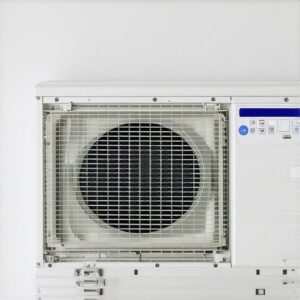
Mini-splits are engineering marvels, but they are also biological petri dishes. To understand why your unit is leaking, we have to look at the Thermodynamics of Latent Heat. Your indoor evaporator coil is designed to drop below the dew point of the ambient air. As the blower pulls warm, humid air over those aluminum fins, the moisture undergoes a phase change from gas to liquid. This is how we dehumidify a space. In a high-humidity environment like the Southeast, a 12,000 BTU indoor head can pull gallons of water out of the air every single day. That water is supposed to gravity-drain out through a small PVC or vinyl tube. But that water isn’t pure; it’s carrying dust, skin cells, and fungal spores.
“Condensate disposal systems shall be provided with a trap of sufficient depth to offset the static pressure of the fan and prevent the backup of moisture.” – ACCA Manual S Reference
The Anatomy of the ‘Jelly Monster’
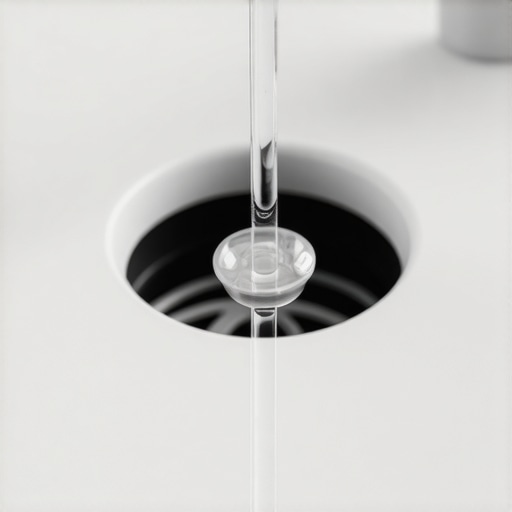
When you have standing water in a dark, warm plastic tray, you get what we in the trade call ‘the jelly monster.’ This is a zoogloea—a thick, gelatinous biofilm produced by bacteria. It doesn’t care about your high-SEER rating. It grows until it forms a literal plug in the drain. Because mini-split drains are much smaller than the 3/4-inch PVC used in standard furnace repair or central air systems, they clog at the slightest provocation. If the Tin Knocker who installed your unit didn’t give it a perfect 1/4-inch-per-foot pitch, you’re doomed. This is where the gel tab comes in. These aren’t just ‘cleaning’ tablets; they are slow-release biocide delivery systems. You drop one in the pan, and as the condensate flows over it, it releases a consistent dose of chemicals that break down the cellular walls of the sludge.
Why Your Heating Service Won’t Tell You About This
Most heating service companies want the big ticket. They want the ‘Gas’ (refrigerant) leak or the cracked heat exchanger. They don’t want to talk about a $10 preventative measure. But if you’re living in a climate where the humidity makes your skin feel like a wet blanket, these tabs are non-negotiable. When the ‘Sparky’ (electrician) finishes wiring your unit, and the HVAC tech finishes the AC installation, the maintenance clock starts ticking. If you don’t treat that pan, the water will back up, overflow the internal reservoir, and soak your drywall. In a mini-split, the drain pan is often integrated into the chassis. If it gets truly foul, you’re looking at hours of labor to tear the unit down just to clean a piece of plastic.
“Ventilation and indoor air quality depend heavily on the management of biological growth within the HVAC envelope to prevent secondary aerosolization of pathogens.” – ASHRAE Standard 62.2
The Solution: Maintenance Physics
To keep your system running ‘beer can cold’ without the flood, you need a two-pronged attack. First, ensure the drain line is clear using a CO2 blow-out tool. Second, place a long-lasting gel tab in the high-side of the condensate tray. These tabs are designed to be ‘tacky’ so they don’t wash down and clog the hole themselves—a common mistake with cheap hardware store tablets. This is the difference between a system that lasts 15 years and one that dies in 5. You can spend $10 now on a gel tab, or you can spend $8,000 on a new unit when the mold from the leaks ruins your air quality and rots your wall studs. Physics doesn’t care about your budget; it only cares about the path of least resistance for that water.