The Invisible Step That Kills Compressors
You can hear the tin knocker banging away at the ductwork and the sparky wiring up the disconnect, but the most critical part of an AC installation happens in total silence. It’s the evacuation. If your installer tells you they ‘purged the lines with a little juice’ instead of using a vacuum pump, they didn’t just take a shortcut—they sabotaged your equipment. I’ve spent thirty years watching compressors die early deaths because some kid in a clean uniform didn’t want to wait an hour for a pump to do its job. In the humid trenches of the South, moisture isn’t just a nuisance; it’s a chemical weapon that turns your refrigerant into acid.
The Physics Lesson: Boiling Water at 70 Degrees
My old mentor, a guy who could smell a leak from the curb, used to scream at me, ‘You aren’t just sucking air out of those copper lines, kid! You’re boiling water with a machine!’ This is the core of thermodynamic zooming: at sea level, water boils at 212°F. But as we drop the pressure inside that sealed system using a high-grade vacuum pump, the boiling point of water drops too. When we hit 500 microns, moisture boils off into a vapor and gets sucked out even if it’s a cool autumn morning. If that moisture stays inside, it reacts with the POE oil in modern mini-split and central systems to create hydrofluoric acid. That acid eats the varnish off the motor windings until—pop—your brand-new unit is a heap of scrap metal.
“Evacuation of a system is the only way to ensure that non-condensables and moisture are removed to levels that prevent the formation of acids and sludge.” – ACCA Manual 4, Section 6
The Regulatory Cliff: Why 2025 Makes This Even Deadlier
We are currently standing on the edge of the A2L transition. The old R-410A ‘gas’ is being phased out for mildly flammable refrigerants like R-454B. These new systems are high-performance machines with tighter tolerances than a Swiss watch. A ‘Sales Tech’ might try to convince you that a quick vacuum is enough, but with these new refrigerants, the presence of non-condensables causes high head pressure that will trip your sensors before the unit even breaks a sweat. This isn’t like an old furnace repair where you can just swap a thermocouple and walk away. Precision is the only thing standing between you and a $12,000 mistake.
How to Spot a ‘Tailgate Warranty’ Installer
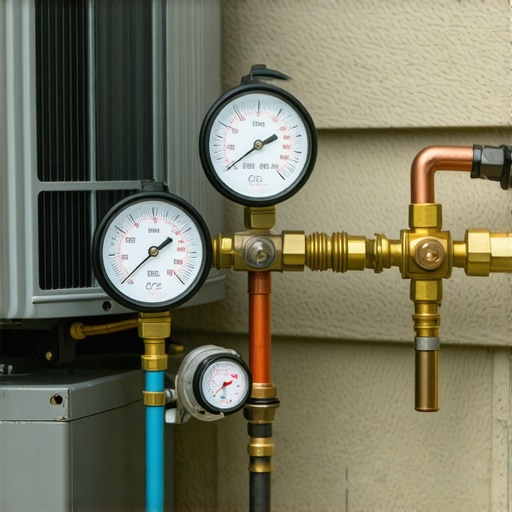
If you want to verify your installer is doing it right, look for the ‘Micron Gauge.’ If they are only using the analog needles on their manifold gauges, they are guessing. Analog gauges can’t tell the difference between a ‘good enough’ vacuum and a ‘scientific’ vacuum. You want to see a digital readout that stays below 500 microns after the pump is turned off. This is called a decay test. If that number starts climbing like a rocket, they have a leak or there’s still ‘pookie’ and moisture trapped in the lines. A real pro will also use specialized ‘vacuum rated’ hoses, not the same ones they use to dump heating service chemicals or refrigerant into the system.
“Technicians must evacuate the system to 500 microns or lower to ensure all moisture and non-condensables are removed prior to charging.” – EPA Section 608 Technician Certification Manual
The Sensory Reality of a Bad Job
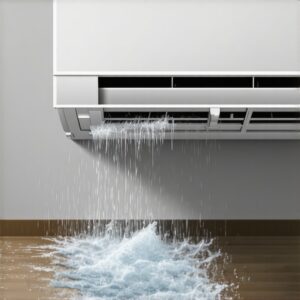
When an AC installation is botched by skipping the vacuum, you won’t know it on day one. The unit will blow cold. But within two years, you’ll start hearing the screech of a bearing or the rhythmic thumping of a compressor struggling against ‘slugging’—when liquid and gas mix in ways they shouldn’t. The air coming out of the vents will lose that ‘beer can cold’ crispness and feel like a cold swamp because the latent heat isn’t being removed efficiently. Your evaporator coil will start to look like a block of ice because the refrigerant isn’t expanding correctly at the TXV. Eventually, you’ll smell that unmistakable sour, metallic odor of a burnout.
The Verdict: Demand the Micron Report
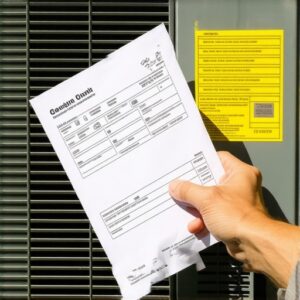
Before you sign that check, ask for the final micron reading. A reputable company will be proud to show you a 350 or 400-micron pull. If they roll their eyes or tell you ‘we’ve done it this way for twenty years,’ show them the door. In the world of modern HVAC, physics doesn’t care about your experience; it only cares about the vacuum. Whether it’s a high-efficiency mini-split or a standard 5-ton split system, the vacuum is the soul of the machine. Don’t let a lazy tech kill your comfort before the first summer heatwave even hits.