Why Your Heat Pump Feels Cold During the Defrost Cycle: A Guide for Homeowners and HVAC SEO Strategy
It is 2:00 AM on a frigid January night. You are tucked under your blankets when suddenly, the familiar hum of your HVAC system changes. Instead of the warm, comforting breeze you expect, a blast of chilly air begins to circulate through your bedroom. Your first instinct is panic – did the system just break? In most cases, what you are experiencing is the “defrost cycle.” While this feels like a malfunction to the homeowner, understanding this phenomenon is a vital part of google business profile seo for contractors looking to build trust and authority in their local market.
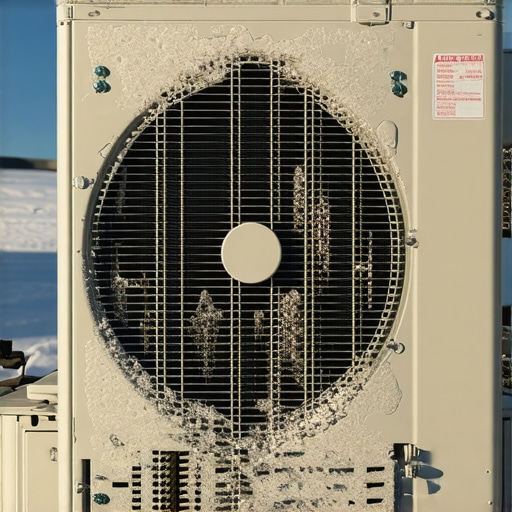
As a seasoned HVAC professional and SEO strategist, I have seen thousands of service calls triggered by this exact scenario. Homeowners feel cold air and assume the worst. However, the defrost cycle is a protective measure designed to keep the system running efficiently. According to research from Lennox, frost can form on an outdoor coil even when temperatures are above freezing – typically between 32°F and 45°F – if the humidity levels are high enough. This frost acts as an insulator, reducing heat transfer and forcing the system to work harder. Without a functional defrost cycle, that frost turns into a solid block of ice, eventually leading to catastrophic compressor failure.
The Science of the “Reversed” Cycle: Why Heat Pumps Switch Modes
To understand why your heat pump feels cold during the defrost cycle, you first have to understand that a heat pump is essentially an air conditioner that can run in reverse. In the summer, it pulls heat from inside your home and dumps it outside. In the winter, it pulls heat from the outdoor air (yes, even cold air has heat energy) and moves it inside. This is made possible by a component called the reversing valve.
When the outdoor temperature drops and the humidity rises, ice begins to accumulate on the outdoor coils. To melt this ice, the heat pump must temporarily switch back into “cooling mode.” When this happens, the reversing valve shifts, and the high-pressure, hot refrigerant gas is sent to the outdoor unit to melt the frost. The trade-off? The indoor unit is now acting as the “evaporator,” meaning it is pulling heat out of your home’s air to fuel the melting process outside. This is exactly why the air coming out of your vents suddenly feels cold.
For HVAC business owners, explaining this technical “why” through high-quality blog content is a cornerstone of a successful local seo strategy. When a homeowner frantically searches “why is my heat pump blowing cold air in winter,” and your website provides the definitive answer, you aren’t just providing information – you are establishing the expertise required to rank google business profile listings in a competitive market. Educational content signals to Google that your business is an authority, which is a key factor in google business profile optimization.
During this cycle, the outdoor fan will usually stop spinning. This is intentional; stopping the fan allows the outdoor coil to heat up faster to melt the ice quickly. However, the indoor fan continues to run to keep air moving across the indoor coil, which is why you feel that “cold blast.” The goal is to get in and out of this mode as fast as possible to return to heating your home.
The Role of Auxiliary Heat: The Comfort Buffer
If your system is working perfectly, you might not even notice the defrost cycle. This is because most modern heat pumps are equipped with auxiliary heat, often in the form of electric resistance heat strips. When the system enters defrost mode, it should automatically trigger these heat strips to “temper” the air. The heat strips provide enough warmth to offset the cooling effect of the defrost cycle, ensuring the air coming out of your vents stays neutral or slightly warm.
If you are feeling ice-cold air, it is a strong indicator that your auxiliary heat is not working during defrost. This could be due to a blown sequencer, a tripped limit switch, or a failed heating element. When the “comfort buffer” fails, the homeowner experience goes from “unnoticeable” to “uncomfortable” very quickly. Understanding the nuances of these components is vital for technicians, especially when performing Why Your Furnace Blows Cold: 4 Parts to Swap in 2026. If the auxiliary heat isn’t engaging, the defrost cycle will feel like a literal air conditioning event in the middle of winter.
For contractors, this specific pain point is a lead generation goldmine. By targeting keywords like “auxiliary heat not working during defrost,” you can capture “high-intent” traffic. These are people who need a technician now. Using local seo tools to identify these specific long-tail search terms allows you to create content that speaks directly to the customer’s problem, ultimately helping you rank higher on google maps when they search for emergency repairs.
When is “Cold” Actually a Problem? Troubleshooting the Cycle
How do you know if your heat pump is behaving normally or if it’s time to call in a pro? As an HVAC expert, I advise looking for these specific signs. A normal defrost cycle should last anywhere from 5 to 15 minutes. You might see steam rising from the outdoor unit – which many homeowners mistake for smoke – and you will hear the outdoor fan stop and the compressor’s sound change. These are all signs of a healthy system doing its job.
However, it becomes an “abnormal” situation if:
- The cycle lasts longer than 20 minutes without successfully melting the ice.
- The outdoor unit is encased in a thick block of ice that never goes away.
- The unit is constantly entering and exiting defrost mode (short-cycling).
- The indoor air remains freezing cold even after the cycle should have ended.
According to data from TrustAcree, common culprits for a failed defrost cycle include a faulty defrost control board, a bad outdoor thermistor (sensor), or low refrigerant levels. If the refrigerant is low, the system can’t generate enough heat to melt the ice, leading to a “frozen” unit that provides zero heat to the home. This is why we emphasize the importance of preventative maintenance. You can learn more about preparing your system in our guide on How to Prep Your 2026 Heat Pump Before the First Ice Storm.
From a marketing perspective, ranking for these troubleshooting terms helps increase google business profile visibility. When homeowners are standing in their yards looking at a steaming heat pump, they are going to pull out their phones and search. If your business appears in the local map pack seo results with a helpful article explaining that the “smoke” is actually steam, you win their trust before you even pick up the phone. This is the heart of google business profile ranking: providing the best answer to the user’s immediate problem.
Dominating the Local Map Pack in 2026
In the 2026 HVAC landscape, the “Arms Race” for local visibility has reached a fever pitch. It is no longer enough to just have a website; you must dominate the local map pack. Statistics show that the Map Pack siphons off nearly 70% of clicks for “near me” and emergency service searches. To capture this traffic, you need a comprehensive google maps ranking service strategy that combines technical HVAC knowledge with aggressive SEO tactics.
One of the most effective ways to rank google business profile listings is through the consistent publication of locally relevant, high-value content. When you write about heat pump defrost cycles and link it to your local service area, you are telling Google’s algorithm that you are an active, relevant provider in that specific geography. Using SEO Viper Tools allows you to track your rankings across different zip codes, ensuring that your technical blog posts are actually moving the needle for your google business profile ranking.
Furthermore, your Google Business Profile should be treated as a living document. This means:
- Uploading photos of iced-over units you’ve repaired.
- Posting “Google Updates” that link back to your blog posts about defrost cycles.
- Encouraging customers to mention specific services (like “heat pump defrost repair”) in their reviews.
This level of google business profile optimization ensures that when the next cold snap hits, your business is the first one homeowners see. If you aren’t sure where to start, check out The One Checklist That Actually Ranks Your HVAC Business on Google Maps for a step-by-step breakdown of how to beat your local competitors.
Why Maintenance 2026 is Different
As we move through 2026, heat pump technology is becoming more sophisticated, but the physics of ice remains the same. New high-efficiency units use electronic expansion valves (EEVs) and variable-speed compressors to manage the defrost cycle more precisely, but they are still susceptible to the elements. This is why a Why Your 2026 AC Installation Needs a Manual J Load Calc is so critical; an oversized or undersized unit will struggle with defrost cycles far more than a properly sized system.
For the homeowner, the defrost cycle is a reminder that their HVAC system is a complex piece of machinery that requires professional oversight. For the contractor, the defrost cycle is an opportunity to showcase expertise, provide value, and secure a customer for life. By leveraging google business profile seo, you ensure that your expertise is visible to those who need it most.
Conclusion: Trust the Process, Optimize the Presence
If your heat pump feels cold during the defrost cycle, don’t panic – but don’t ignore it either. If the air is truly freezing and your home’s temperature is dropping, it is time to check your auxiliary heat and defrost components. Homeowners should schedule a 2026 maintenance check to ensure their sensors and heat strips are ready for the peak of winter. A well-maintained system is the difference between a minor 10-minute “cool breeze” and a weekend without heat.
For the HVAC business owners reading this: your technical expertise is your most powerful marketing tool. Don’t let it go to waste on a static website. Use these insights to optimize google business profile listings and provide the answers your local community is searching for. Whether you are using a google maps ranking service or managing your SEO in-house with local seo tools, the goal is the same – to be the local authority that homeowners trust when the air turns cold. Start implementing these strategies today to capture winter emergency leads and grow your business in 2026 and beyond.
