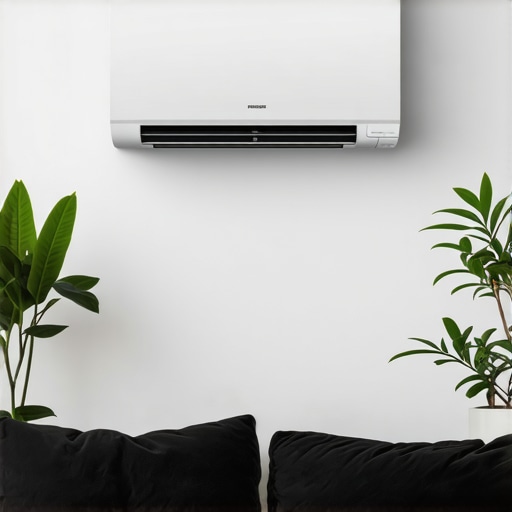
Last summer, I found myself drenched in sweat, frantically trying to fix a malfunctioning window unit. It was a wake-up call. I realized that my outdated AC system was no longer reliable, and I was risking more than just discomfort — it was about my home’s efficiency and my peace of mind. That frustrating experience made me dive deep into the world of top AC installation and mini-split solutions, discovering that choosing the right system in 2024 could make all the difference for lasting coolness.
Why Now Is the Perfect Time to Upgrade Your Cooling System
With summer just around the corner, there’s no better moment to consider a new cooling setup. The technology has evolved rapidly, offering smarter, more energy-efficient options that can save you money and provide reliable comfort. According to a recent report, energy-efficient HVAC systems can cut cooling costs by up to 30%, which is a huge relief in today’s rising utility bills. But here’s the thing — many people jump into installation without proper planning, risking costly mistakes and unsatisfactory results. I made that mistake early on, rushing into a purchase without understanding the nuances of proper installation strategies. That’s why I want to share my experience and help you avoid the same pitfalls.
Is Mini-Split Systems Actually Worth the Hype?
At first, I was skeptical about mini-splits. They seemed too good to be true — flexible, space-saving, and energy-efficient. But after installing one in my living room, I realized they’re a game-changer, especially in homes where traditional ductwork isn’t practical. Still, I know many worry about the reliability or cost. I learned that the key is proper installation and choosing trusted brands. My early mistake? I overlooked the importance of professional guidance, which led to uneven cooling. Trust me, a little extra investment in quality installation pays off in comfort and longevity. Want to learn how to make your cooling system last? Stick with me as I break down the most effective solutions for 2024, so you can stay cool without worries.
Choose the Right Location for Your System
Start by selecting the optimal spot for your AC or mini-split unit. Think of it like placing a fan — you want it to blow cool air across the entire room. Avoid placing units where direct sunlight or heat sources can compromise efficiency. For mini-splits, ensure the outdoor condenser has ample airflow, much like giving a car engine space to breathe. I once installed a mini-split on a shaded wall, which kept the unit running efficiently and reduced energy consumption. Proper placement is critical to prevent future issues and maximize cooling.
Prepare Your Space and Equipment
Clear the area where the unit will go and gather all necessary tools—drills, level, screwdrivers, and electrical testers. For mini-split installation, it’s like preparing a workspace for a delicate craft—accuracy matters. I once underestimated the importance of sealing the refrigerant lines properly, which led to leaks and reduced cooling. Always double-check your tools and setup to avoid costly mistakes later. Use a level to ensure units are perfectly aligned, preventing uneven wear that can shorten their lifespan.
Follow Professional Installation Protocols
For Mini-Split Systems
Refer to trusted guides like top mini-split installation tips to ensure optimal placement and secure mounting. When I installed my first mini-split, adhering to these guidelines prevented vibrations and noise issues. Use the correct brackets and secure mounting points, much like building a sturdy bookshelf—stability ensures longevity and quiet operation. Don’t forget to insulate refrigerant lines thoroughly, which is vital for efficiency and durability.
For Traditional AC Units
Follow the steps outlined in trusted AC installation strategies. I learned this the hard way after rushing through my first AC install, which resulted in uneven cooling and higher energy bills. Ensure your system’s outdoor condenser is level and stable—think of it as giving your car a flat tire a proper fix. Proper drainage and sealing prevent moisture buildup and energy loss, keeping your system running smoothly throughout the seasons.
Connect and Configure Your System Properly
Electrical connections must be secure and compliant with local codes. Use a multimeter to check voltage and avoid overloads—imagine testing a wire like inspecting a bridge’s foundation before crossing. For mini-splits, ensure the remote control is correctly paired and settings are optimized for your comfort zone. When I finally got the wiring right after a few attempts, my system ran quieter and more efficiently, saving costs on repairs and energy.
Test and Fine-Tune the System
Turn on your unit and check for proper airflow, temperature, and noise levels. Adjust the thermostat and airflow vents to distribute cooling evenly—like tuning a musical instrument for perfect harmony. I once kept my mini-split on high, but lowering the fan speed improved comfort and reduced noise. Keep an eye on energy consumption and make small adjustments; this is your ongoing calibration for lasting coolness in 2024.
Many homeowners believe they understand everything about AC systems, but in my experience, there are significant misconceptions that can lead to costly mistakes. For instance, a prevalent myth is that bigger or more powerful units always mean better cooling. However, oversizing can actually cause inefficiencies, increased energy bills, and uneven temperature distribution. Proper sizing, based on detailed load calculations, is crucial for optimal performance. This is why I always recommend consulting expert guidance, such as trusted HVAC professionals, to avoid these pitfalls.
Another common misconception involves mini-split systems. Many assume they are only suitable for small spaces or temporary solutions. But with proper installation, mini-splits can be a cost-effective, energy-efficient choice for whole-home cooling, especially in homes lacking ductwork. The key lies in professional installation strategies that ensure balanced airflow and reliable operation. Skipping this step can result in uneven cooling, noise issues, or reduced lifespan.
One of the most overlooked nuances is the importance of refrigerant line insulation in mini-split setups. Failing to insulate these lines properly can cause energy losses, system strain, and premature failure. This is a detail often skipped by DIYers, but it’s vital for efficiency. According to industry experts, proper insulation can improve system efficiency by up to 20%. Ensuring this small but critical step is correctly performed saves money and extends your system’s lifespan.
Now, a question I often get from advanced readers is: How do I optimize AC performance for varying seasonal conditions while minimizing energy costs? The answer involves integrating smart thermostats, advanced zoning, and regular maintenance. For example, setting different temperature zones can prevent unnecessary cooling of unoccupied rooms, while scheduled maintenance ensures your system runs at peak efficiency. Regularly cleaning filters and checking refrigerant levels prevent energy wastage and system strain, which is why I emphasize maintenance tips for lasting performance.
In conclusion, understanding these hidden nuances and avoiding common myths can dramatically improve your AC system’s longevity and efficiency. Don’t fall into the trap of misconceptions; instead, equip yourself with knowledge and professional support. Have you ever fallen into this trap? Let me know in the comments, and stay cool with smarter choices!
How do I maintain my cooling system over time?
Keeping your AC or mini-split running efficiently requires more than just initial installation. Regular maintenance is key to extending its lifespan and ensuring optimal performance. I personally rely on a few specific tools and strategies that have proven effective in my experience. First, I use a high-quality digital multimeter for electrical testing. It allows me to verify voltage levels and ensure connections are safe and up to code, which is crucial for preventing system failures. For example, I always check the compressor and fan motor circuits before and after servicing to catch issues early.
Next, I swear by a refrigerant leak detector. Refrigerant leaks can drastically reduce cooling efficiency and damage your compressor if left unchecked. I prefer a handheld electronic leak detector because of its sensitivity and ease of use. Regularly inspecting refrigerant lines and connections with this tool helps me catch small leaks before they become costly repairs. Industry experts recommend checking refrigerant levels at least once a year, especially in systems without sealed lines, which is a practice I follow diligently.
Another essential maintenance tool is a set of quality brushes and coil cleaners. Dirty coils impede heat exchange, forcing your system to work harder and consume more energy. I use a soft-bristle brush and a commercial coil cleaner to remove debris from evaporator and condenser coils every season. This simple step can improve system efficiency by up to 20%, according to HVAC industry data. Proper coil maintenance not only saves energy but also reduces wear on your components, leading to fewer breakdowns.
To keep track of maintenance schedules, I recommend investing in a smart thermostat with diagnostic features. Not only does it allow you to set precise temperature zones, but it also provides alerts for filter changes, system errors, and maintenance reminders. This proactive approach helps me catch potential issues early, avoiding emergency repairs and costly downtime.
Looking ahead, I believe the trend in system maintenance is moving toward smarter, AI-driven diagnostics that can predict failures before they happen. Companies are developing systems that analyze usage patterns and sensor data to recommend optimal maintenance times, which will make keeping your system in top shape even easier in the future. For now, I suggest you try implementing regular coil cleaning and refrigerant checks—simple but effective steps that can save you money and headaches.
If you want to maximize your AC’s longevity, I encourage you to start with a thorough coil cleaning and invest in a reliable leak detector. Maintaining your system with these tools ensures it stays efficient and reliable all year round. For professional guidance, consulting trusted guides like trusted HVAC professionals is always a good move. Remember, a well-maintained system is the foundation of comfortable living—so stay proactive and keep your cooling system working flawlessly!
The Hardest Lesson I Learned About AC System Upgrades
One of my biggest realizations was that rushing into a new AC installation without proper planning can lead to uneven cooling, higher energy bills, and frustration. It taught me the importance of consulting trusted HVAC professionals and understanding the nuances of system sizing and placement. Skipping this step cost me time and money, but now I know that patience and expert guidance are key to lasting comfort.
How I Discovered the Power of Mini-Split Systems
Initially, I thought mini-splits were only suitable for small spaces or quick fixes. However, after proper installation from trusted sources, I saw how they can efficiently cool entire homes, especially those without ductwork. They’re a game-changer for flexibility, energy savings, and ease of use, provided you follow the right installation strategies like those outlined here.
Why Proper Placement Can Make or Break Your System
Placing units where they can operate efficiently is something I underestimated at first. For mini-splits, ensuring the outdoor condenser has ample airflow and avoiding direct sunlight keeps energy consumption low. For traditional units, outdoor placement that’s level and sheltered prevents issues like leaks and noise. My experience showed me that a little extra effort in placement pays dividends in comfort and durability.
The Hidden Benefits of Regular Maintenance
Simple tasks like coil cleaning, refrigerant checks, and filter replacements can extend your system’s lifespan and improve efficiency. Using tools like a leak detector or coil brush has saved me from costly repairs and reduced my energy bills. I’ve learned that proactive maintenance, guided by trusted resources here, is essential for year-round comfort.
How My Perspective on AC Efficiency Changed
I used to think bigger units always meant better cooling, but I now understand that proper sizing based on load calculations is critical. Oversized systems waste energy and cause uneven temperatures. Consulting experts and using reliable installation strategies ensures you get the right fit, saving money and increasing comfort in 2024 and beyond.
Insider Wisdom for Lasting Comfort
- Don’t overlook insulation in refrigerant lines. Proper insulation can boost system efficiency by up to 20%, preventing energy losses and system strain.
- Balance your system’s airflow. Uneven cooling often stems from poor placement or unbalanced airflow, highlighting the importance of professional guidance during installation.
- Invest in quality tools and professional advice. From leak detectors to coil cleaners, the right tools make maintenance easier and more effective, extending your system’s lifespan.
- Think beyond the immediate cost. A well-installed, properly sized system saves money over time, making smarter investments in trusted brands and professional installation a no-brainer.
My Essential Toolkit for AC and Mini-Split Mastery
- Reliable leak detectors: Ensures refrigerant levels are optimal and prevents leaks that reduce efficiency.
- High-quality coil brushes and cleaners: Keeps heat exchange surfaces clean and efficient.
- Smart thermostats with diagnostic features: Help monitor system health and schedule proactive maintenance.
- Trusted guides and professional contacts: Resources like trusted HVAC professionals are invaluable for ongoing support.
Your Turn to Try Smarter Cooling Solutions
Upgrading your AC system or installing a mini-split isn’t just about immediate comfort — it’s about making a smart investment in your home’s efficiency and your peace of mind. With the right placement, professional guidance, and regular maintenance, you can enjoy cool, reliable comfort year-round. Don’t wait for the next heatwave to realize how much a well-planned system can improve your life. Take action now, and let your home be a sanctuary of comfort in 2024 and beyond.
Have you ever struggled with choosing the right AC installation strategy? Share your experiences below — I’d love to hear your story!
Reading this post really resonated with me, especially the part about proper installation being crucial for long-term efficiency and comfort. I’ve had my fair share of DIY projects that didn’t quite hit the mark, leading to uneven cooling and higher energy bills. The insights about professional-guided placement and insulation in refrigerant lines highlight things I overlooked before. I recently installed a mini-split in my home, and I made sure to follow the recommended guidelines, which made a noticeable difference in performance. It’s interesting how small details like refrigerant line insulation can improve efficiency by up to 20%, yet they’re often neglected by DIYers. I wonder, what are some common pitfalls homeowners should watch out for during installation if they decide to go the DIY route? Have others experienced specific challenges with system balancing or placement that they could share for learning purposes? Overall, this article provides a comprehensive view that can help anyone make informed decisions when upgrading their cooling system.
This post really hits home for me, especially the emphasis on proper installation and positioning. A while back, I tried to install a mini-split myself after watching a few tutorials, thinking it would save money. Unfortunately, I skipped some steps, like sealing refrigerant lines and checking for proper insulation, which resulted in energy losses and uneven cooling. It was a learning experience, and I now understand why professional guidance is so vital. One thing I’ve noticed with mini-splits, especially in more complex setups, is how critical the placement of the indoor unit is to even cooling and noise reduction. Have any of you found that small adjustments in positioning significantly improve performance? Also, I’m curious about smart maintenance tools—are there any digital or app-based diagnostics that help monitor system health in real-time? Overall, this article offers great insights for anyone looking to upgrade their cooling system effectively and avoid common pitfalls.