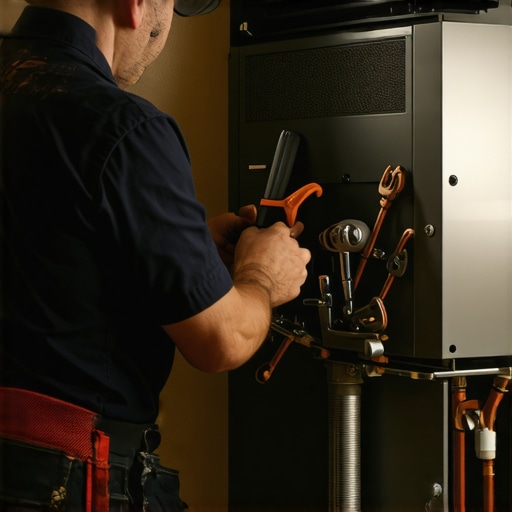
It was one of those chilly mornings when I realized my furnace had decided to take a holiday right before winter’s worst hit. The heater was buzzing, but the house just wouldn’t warm up. I felt that familiar frustration—panic creeping in because I wasn’t prepared, and the cold was seeping in through every crack. That’s when I had my lightbulb moment: there are simple, reliable secrets to ensure your home stays cozy, no matter how fierce the winter gets.
Why Winters Catch Us Off Guard and How to Stay Prepared
In my early days as a homeowner, I overlooked basic maintenance, assuming my furnace was there to last forever. Turns out, neglecting regular upkeep can turn a reliable heating system into a winter nightmare. Proper heating service isn’t just about fixing problems when they happen—it’s about preventing them in the first place. Regular tune-ups and understanding the common pitfalls can save you from those freezing mornings when your heater goofs just when you need it most.
Is Furnace Repair Overhyped or Essential?
Honestly, I used to think DIY fixes were enough. I made the mistake of ignoring professional advice and trying to troubleshoot my furnace myself, which turned into a costly lesson. Afterward, I discovered that trusting trusted experts, like those who provide [furnace repair and heating services](https://climatemasterzhvac.com/trusted-furnace-repair-heating-services-for-lasting-comfort), makes all the difference. Reliable furnace repair isn’t just a quick fix—it’s a long-term solution that guarantees your home stays warm during the coldest months.
Have you faced a chilly surprise with your heating system? If so, don’t worry—you’re not alone, and there are proven strategies to keep your home reliably warm. Keep reading, and I’ll walk you through essential tips to ensure your furnace is winter-ready, backed by experience and expert insights.
Inspect and Clean Your Heating System
Start by turning off your furnace or mini-split unit and removing the access panels. Use a soft brush or vacuum to clear dust and debris from filters, burners, and vents. This prevents blockages and ensures efficient operation. During my experience last fall, I discovered a clogged filter that was reducing airflow—cleaning it up saved me from costly repairs and kept my house warm. Regular maintenance is the backbone of a reliable heating system.
Test Your System Before the Cold Sets In
Activate your heater at least a month before the first freeze. Listen for unusual noises or weak airflow. Check if the thermostat responds accurately. If you notice issues, consult a professional for [trusted furnace repair services](https://climatemasterzhvac.com/trusted-furnace-repair-heating-services-for-lasting-comfort). Doing this early prevents surprises on the chilliest days, much like testing a safety net before a high wire walk.
Seal Gaps and Improve Insulation
Walk around your home and identify cracks around windows, doors, and outlets. Use weatherstripping or caulk to block cold drafts. This effectively acts like a blanket for your house, retaining heat and reducing heating costs. I once sealed a gap around our living room window, which made a significant difference in how cozy that room felt during the frosty evenings.
Schedule Professional Tune-Ups
Hire an HVAC technician for a comprehensive inspection and tune-up. They will check for gas leaks, clean heat exchangers, and calibrate thermostats. For best results, look for [expert heating services](https://climatemasterzhvac.com/expert-heating-service-furnace-repair-for-reliable-winter-comfort). These professionals often catch issues early—saving money and preventing breakdowns during the coldest months, much like a mechanic catching engine trouble before a long road trip.
Prepare Emergency Heating Solutions
Have space heaters, blankets, and a backup power source ready. If you rely on a heat pump or mini-split, ensure the outdoor units are clear of snow and debris. For instance, last year I kept a portable heater in the garage as a backup, so when our main system struggled during a blackout, we still had warmth. This safety net can make a cold snap much less stressful.
Upgrade if Necessary
If your current system is over 15 years old or frequently needs repairs, consider investing in newer, energy-efficient models. Modern mini-splits and furnaces can dramatically cut bills while providing consistent warmth. For seamless integration, review [professional AC and mini-split installation guides](https://climatemasterzhvac.com/trusted-furnace-repair-ac-installation-guides-for-lasting-home-comfort). Upgrading might be a significant upfront cost, but it often pays for itself through savings and enhanced comfort.
When it comes to heating and cooling systems, many homeowners operate under assumptions that can lead to costly mistakes. One prevalent myth is that mini-split systems are entirely maintenance-free; in reality, they require regular professional inspections to ensure optimal performance. Overlooking this can result in reduced efficiency and unexpected breakdowns. Additionally, a common trap is the belief that oversized HVAC units always provide better comfort. In fact, oversized systems cycle frequently, causing wear and tear while failing to dehumidify properly, which may lead to mold growth and discomfort. It’s essential to understand that proper sizing and installation—guided by expert technicians—are crucial for long-term savings and comfort. Many also assume that furnace repairs are simple DIY tasks. However, incorrect repairs can void warranties or cause safety hazards. Relying on trusted professionals, like those offering [trusted furnace repair and heating services](https://climatemasterzhvac.com/trusted-furnace-repair-heating-services-for-lasting-comfort), ensures your system is serviced correctly.
Why Do We Often Underestimate the Complexity of HVAC Systems?
A significant nuance often missed is that modern mini-splits and furnaces are sophisticated appliances requiring nuanced understanding for optimal operation. For instance, refrigerant charge levels in mini-splits must be precisely calibrated; too much or too little impacts cooling and heating efficiency. According to HVAC experts, neglecting proper refrigerant management is one of the top causes of system failure within the first few years. Furthermore, the installation process itself carries intricate considerations—like correct airflow direction, electrical wiring, and drainage systems—that, if overlooked, lead to performance issues. To avoid these pitfalls, consultation with certified professionals is highly recommended. You can find valuable insights in guides on [reliable mini-split installation tips](https://climatemasterzhvac.com/reliable-mini-split-ac-installation-tips-for-lasting-home-comfort) and [trusted HVAC installation strategies](https://climatemasterzhvac.com/trusted-furnace-repair-ac-installation-guides-for-lasting-home-comfort).
Have you ever fallen into this trap? Let me know in the comments.Maintaining your HVAC systems, such as mini-splits and furnaces, requires a combination of the right tools, regular routines, and expert knowledge. Over the years, I’ve honed my toolbox to include equipment that ensures efficient, long-term performance. One essential item is a digital manifold gauge set. I personally prefer models like the Robinair 34788 for their precision and ease of use, which help me accurately measure refrigerant pressures during servicing mini-split systems, ensuring optimal operation and preventing costly overcharges. Additionally, a quality vacuum pump, such as the Yellow Jacket Recovery60, is invaluable for evacuating systems thoroughly before recharge, preventing moisture intrusion that can lead to system failure. A digital thermometer, like the Fluke 62 MAX, allows me to quickly verify temperature differentials across heat exchangers or refrigerant lines, confirming system efficiency. All these tools serve to diagnose issues accurately and verify repairs, saving time and money in the long run.
How do I maintain heating and cooling systems over time?
Implementing a scheduled routine with these tools—monthly filter checks, seasonal refrigerant assessments, and proactive inspections—can extend the life of your equipment. I also rely heavily on professional services like those described in [trusted furnace repair and heating services](https://climatemasterzhvac.com/trusted-furnace-repair-heating-services-for-lasting-comfort) for precision tuning and handling complex repairs. Moving forward, HVAC technology trends point toward smarter, more interconnected systems that can self-diagnose issues via IoT sensors. Embracing these innovations now, such as integrating smart thermostats, can make ongoing maintenance even more straightforward and effective—think of it as giving your system a sixth sense for problems before they escalate. To kickstart your upgrade, try installing a Wi-Fi-enabled thermostat today; it provides real-time system data and alerts, helping you stay ahead of potential failures.
The Lessons I Wish I Had Learned Earlier About HVAC Maintenance
One of the most overlooked aspects of maintaining a cozy home is understanding that minor issues often snowball into big problems if not addressed promptly. I once ignored a small refrigerant leak in my mini-split system, thinking it wasn’t urgent, only to face costly repairs months later. That experience taught me the importance of proactive inspections and trusting professional advice—it’s a lesson that saved my system and my wallet.
Another revelation was the misconception that larger HVAC units always mean better performance. After installing an oversized furnace, I experienced frequent cycling and humidity problems. It became clear that proper sizing, guided by expert technicians, is vital for efficiency and comfort. Knowing these nuances changed how I approach home comfort solutions forever.
Tools and Resources That Transformed My HVAC Approach
My go-to instrument is a high-quality digital manifold gauge set, like the Robinair 34788. It allows me to diagnose refrigerant levels accurately, preventing overcharges that can damage the system. Additionally, I rely on a trusted HVAC professional for seasonal tune-ups—professionals who offer [trusted furnace repair and heating services](https://climatemasterzhvac.com/trusted-furnace-repair-heating-services-for-lasting-comfort). Their expertise keeps my system running smoothly without the guesswork.
Reading essential guides, such as those on [mini-split installation strategies](https://climatemasterzhvac.com/reliable-mini-split-ac-installation-tips-for-lasting-home-comfort), has empowered me to make informed decisions and avoid costly mistakes. These resources are invaluable for homeowners committed to long-term comfort and energy savings.
Your Next Step Toward Comfort and Confidence
Taking control of your home’s climate isn’t just about fixing problems—it’s about fostering a proactive mindset that values preventive care and expert advice. Embrace the insights and tools available, and don’t hesitate to reach out for professional support when needed. After all, a well-maintained HVAC system is a foundation for a happier, healthier home environment.
What small step will you take today to ensure your home’s comfort lasts through every season? Share your plans below—I’d love to hear about your efforts!
I really relate to the frustration of waking up to a cold house just when you need warmth the most. Over the years, I’ve learned that routine maintenance, like cleaning filters and scheduling professional tune-ups, makes a huge difference in avoiding those panic moments. I especially appreciate the emphasis on sealing gaps; last winter, sealing our drafty windows gave us noticeable relief on our heating bill and kept the chill out. I wonder, how often do others find it necessary to upgrade their systems before problems arise? In my experience, investing in modern, energy-efficient units not only improves comfort but also saves money long-term. Has anyone here replaced an old furnace that was costing them more in repairs? Would love to hear your insights on the best time to upgrade, especially with smarter systems becoming more affordable.
Reading through this post really resonated with me, especially the part about testing your heating system before the real cold hits. I learned the hard way last winter when my furnace failed unexpectedly during a cold snap, even though I thought I’d scheduled enough maintenance. Since then, I’ve made it a point to do seasonal inspections myself, along with professional tune-ups. One thing I’ve found helpful is keeping a checklist that includes checking thermostat responses, inspecting filters, and listening for unusual noises. Also, sealing gaps around windows and doors has made a noticeable difference in thermostat readings and energy bills. The suggestions about upgrading to energy-efficient models got me thinking—mine is over 12 years old now, and I’ve wondered if it might be more economical in the long run to switch to a mini-split system. Have others here made that switch? How do you decide the best time to upgrade without facing unexpected breakdowns and hefty repair costs? Would love to hear how you balanced the initial investment with the long-term savings.