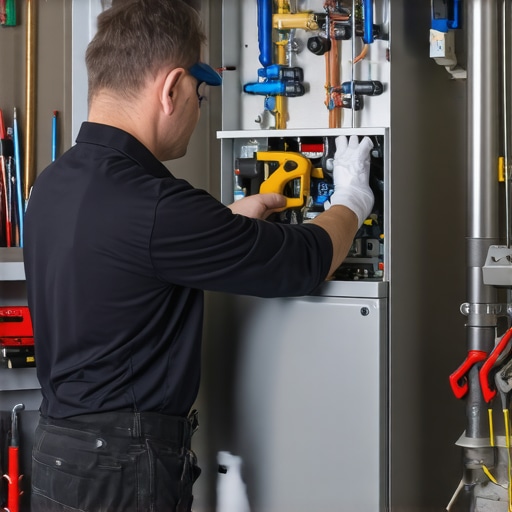
Have you ever experienced that tense moment when your furnace suddenly quits in the dead of winter? I remember the chill creeping in, the frustration mounting, and the realization that I hadn’t maintained my system properly. That was my lightbulb moment—learning that expert heating service & furnace repair are not just for emergencies but essential parts of a proactive approach to home comfort.
Why Proper Furnace Care Can Save You Big in 2024
Every winter, I see homeowners caught off guard, scrambling to find last-minute repairs or facing sky-high energy bills due to inefficient systems. It’s a common story, and honestly, it’s avoidable. Proper maintenance, timely repairs, and knowing when to call in the experts can keep your home warm and your wallet happy. This year, I’m committed to sharing what I’ve learned from my own missteps and successes, so you don’t have to go through the same struggles.
Is DIY Furnace Fixing Really Worth the Risk?
Early on, I thought I could handle minor repairs myself. Turns out, that was a mistake. I once tried to replace a faulty thermocouple without proper knowledge—resulting in a weekend trip to the repair shop and unnecessary expense. Trust me, when it comes to heating systems, most issues are better handled by professionals who understand the nuances. For reliable advice, I recommend checking out the experts at Climate Master HVAC.
So, what are the essential expert tips for 2024? How do you ensure your furnace is ready for the cold months? Keep reading, because I’ll walk you through practical steps to keep your home warm, efficient, and safe all winter long.
Inspect Your Thermostat and Air Filters First
Start by checking your thermostat settings and replacing air filters. I once neglected this step and found my furnace cycling on and off erratically. After replacing a clogged filter and ensuring the thermostat was accurate, the system ran smoothly. Think of your air filters as the lungs of your heating system; clean filters allow it to breathe easier and work more efficiently.
Clean and Clear the Vents and Registers
Blocked vents can restrict airflow, making your furnace work harder. During a cold snap last winter, I cleared debris and dust from vents in my basement, which instantly improved heat distribution. Use a vacuum or a damp cloth to remove dust and obstructions, ensuring warm air flows freely through your home.
Check the Pilot Light or Electronic Ignition
If your furnace isn’t igniting, it could be due to a faulty pilot light or ignition system. I once attempted to relight mine, but without proper knowledge, I risked causing damage. Instead, I consulted professional experts at Climate Master HVAC. Regular inspection of this component can prevent unnecessary breakdowns.
Examine the Blower Motor and Fan
Listen for unusual noises or check if the blower motor is running smoothly. Last winter, I noticed my system was buzzing but not blowing warm air. A quick inspection revealed dust buildup on the blower wheel. Cleaning it with a brush restored proper airflow, but if you’re unsure, calling in professional heating service is safer.
Test Safety Controls and Limit Switches
Safety controls prevent overheating. I learned this the hard way when my furnace kept shutting down. After testing, I replaced a faulty limit switch, which restored full operation. Always use appropriate tools and consider expert help to handle these components safely.
Schedule Professional Maintenance Annually
Even if everything seems fine, annual professional checkups catch issues early. I booked a tune-up with certified technicians, which included cleaning, parts inspection, and system calibration. This proactive step extends the lifespan of your furnace and ensures peak efficiency.
Know When to Call Professionals
Some issues, like gas leaks or complex electrical problems, require licensed technicians. Last winter, I noticed a faint gas smell—immediately, I called professionals at reliable furnace repair services. Never attempt risky repairs yourself to stay safe and avoid costly mistakes.
Many homeowners operate under misconceptions about furnace care, often leading to costly mistakes or overlooked issues. Let’s dig deeper into what most people get wrong about maintaining their heating systems, and how understanding these nuances can save you money and frustration this winter.
Why Relying on Seasonal Checks Might Not Suffice
It’s a common belief that scheduling a professional furnace tune-up once a year is enough. However, expert maintenance isn’t just about annual visits; it’s about consistent, proactive inspection and addressing small issues before they escalate. For instance, dust buildup or minor electrical glitches often go unnoticed but can cause major breakdowns during peak winter usage. Regularly checking components like the blower motor or safety controls can prevent unexpected failures. A comprehensive approach to maintenance ensures your system remains reliable when you need it most.
Beware the Myth of DIY Fixes for Complex Problems
Everyone loves saving money by attempting DIY repairs. Yet, this can often backfire, especially with intricate systems like furnaces. For example, resetting a tripped limit switch might seem straightforward but can lead to dangerous situations if done improperly. Gas leaks, faulty electrical components, or cracked heat exchangers are hazards best left to licensed professionals. Misdiagnosing or mishandling these issues can result in safety risks or further damage. Trusting experts not only guarantees safety but also extends the lifespan of your equipment. For reliable advice, consider consulting professional furnace repair specialists.
Advanced Insight: The Impact of System Age and Efficiency
One often overlooked nuance is understanding how your furnace’s age influences repair needs and efficiency. Older units tend to develop recurring issues like heat exchanger deterioration or inefficient burners. Regular assessments can reveal whether investing in repairs or opting for an upgrade yields better long-term savings. Modern systems also incorporate smart technology that enhances energy efficiency, but this requires proper installation and calibration. If you’re considering a new furnace, exploring upgrade options can provide significant benefits in energy bills and home comfort.
Have you ever fallen into this trap? Let me know in the comments.
How do I maintain my furnace over time to ensure it keeps running smoothly?
Maintaining your furnace isn’t just about quick fixes; it’s about developing a routine that catches issues early and prolongs the system’s lifespan. One of my top recommendations is investing in a digital multimeter. I personally use the Fluke 115 True RMS Multimeter because of its accuracy and durability. It allows me to check electrical components like relays and motors reliably, ensuring they operate within safe parameters.
Another tool I swear by is a high-quality inspection mirror, which helps me visually inspect tricky spots such as the heat exchanger or blower assembly without disassembling major parts. For routine maintenance, I use a soft brush to clear dust from the blower wheel and motor vents, preventing overheating and inefficiency. These small steps significantly reduce the risk of unexpected breakdowns during peak winter months.
In addition to physical tools, I rely on HVAC diagnostic software from trusted providers like Climate Master HVAC. This software helps me track system performance over time and schedule preventive maintenance based on real data, rather than just routine calendar intervals. As technology advances, I predict that connected diagnostic tools integrated with home automation will become standard, allowing homeowners and technicians to monitor furnace health remotely and address issues proactively.
To keep your furnace working efficiently over the long term, I recommend scheduling professional tune-ups at least once a year. During these visits, technicians use specialized equipment such as manometers and combustion analyzers to optimize system performance. Remember, proactive maintenance is the best way to avoid costly emergency repairs and ensure your home stays warm and safe throughout the winter.
Try incorporating a digital multimeter into your routine if you haven’t already. It’s a small investment that can save you from larger headaches down the line. Regular inspection, combined with the right tools and professional checkups, makes all the difference. If you want to learn more about expert maintenance strategies, check out this detailed guide from Climate Master HVAC.
The Hardest Lesson I Learned About Furnace Maintenance
One of my biggest realizations was that neglecting small issues early on often leads to costly repairs later. During my first winter in my home, I ignored strange noises from the furnace, assuming they would go away. When it finally failed, I learned that catching issues early with regular inspections can save a lot of money and hassle. Trust me, proactive maintenance is a game-changer.
Why I Swear By Professional HVAC Tools and Expertise
Initially, I tried DIY fixes that backfired, like resetting safety switches without proper understanding. Now, I rely on professional-grade tools and trusted experts, such as those at Climate Master HVAC, to ensure my furnace runs safely and efficiently. Investing in professional help means peace of mind and longer system lifespan.
What I Wish I Knew About Furnace Efficiency
Older furnaces often develop recurring issues that drain energy and inflate bills. Upgrading to a modern, smart system can drastically improve efficiency, but only if installed correctly. I learned that understanding your furnace’s age and condition helps you make smarter decisions—whether repairing or replacing. For insights on upgrading, check out this guide on system upgrades.