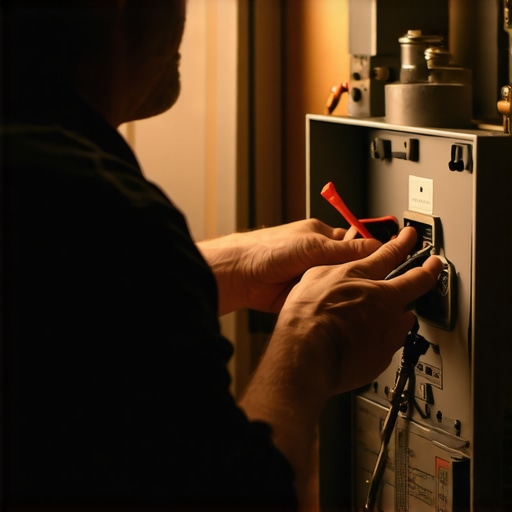
I remember that freezing December night when my furnace sputtered and finally went silent. The house was suddenly colder than the outdoors, and I felt that icy realization creeping in — I had neglected proper maintenance and trusted a cheap fix I saw online instead of calling a professional. That mistake cost me warmth, comfort, and money, making me vow never to let anything like that happen again. If you’re reading this, chances are you’ve faced a similar chilly shock, or at least worry about it. Today, I want to share how expert furnace repair and heating services can truly keep your home cozy when it counts most.
Keep Your Home Warm Without the Horror Show
Trusting DIY solutions or ignoring regular maintenance can turn your winter into a nightmare. The good news? With reliable professional services, you can avoid those cold crises entirely. We’ll explore how to spot early signs of trouble, what to expect from reputable repair companies, and how to ensure your furnace provides consistent warmth all season long. Ready to learn the secrets of winter comfort? Let’s dive in.
Is Hiring a Pro Really Worth the Extra Cost?
Early on, I underestimated the importance of expert service — thinking I could handle small repairs myself and save a few bucks. Turns out, that was a costly mistake. Not only did I risk further damage, but I also delayed the proper fix, leading to a much higher bill later. Professional technicians bring experience and tools that I could never match. According to [the Department of Energy](https://www.energy.gov/energysaver/maintaining-your-home), regular maintenance by a licensed expert can improve your furnace’s efficiency by up to 30%, saving money in the long run and preventing unexpected failures. Have you ever faced a repair that seemed simple but turned into a bigger mess? If so, you’re not alone, and it’s exactly why trusted professional services are essential for winter survival.
Inspect the System Thoroughly Before Anything Else
Start by shutting off your furnace and removing access panels to examine components like belts, filters, and burners. Take a flashlight and look for obvious issues such as dirt buildup or corrosion. Remember, visual inspection is your first line of defense—catching problems early is crucial. When I did this for my unit, I noticed a clogged filter that was restricting airflow, which I replaced immediately, improving efficiency significantly.
Clean or Replace Filters Regularly
Dirty filters cause your furnace to work harder, increasing energy costs and risking breakdowns. Remove the filter and hold it up to the light—if the light doesn’t pass through, it’s time for a replacement. Opt for high-quality filters and set a reminder to change them every one to three months. I learned this the hard way after neglecting a filter, which led to a costly repair. Reliable furnace repair services emphasize filter upkeep as foundational.
Diagnose Flame and Ignition Issues
Next, check if the furnace’s pilot light or electronic ignition is functioning properly. If the flame is yellow or flickering, it may indicate a ventilation problem or a gas leak—always prioritize safety by calling a professional. When mine kept shutting off, I discovered a faulty ignition module, which I replaced following a technician’s advice. For complex repairs like this, trusting expert furnace repair services ensures safety and longevity.
Test Thermostat Functionality
Sometimes, the issue isn’t the furnace but an inaccurate thermostat. Adjust the temperature setting and observe if the unit responds promptly. If it doesn’t, replace the batteries or consider upgrading to a smart thermostat for better control. I installed a programmable thermostat myself, which allowed me to optimize heating schedules and save energy—an easy yet impactful action.
Inspect and Seal Ductwork
Leaky ducts can cause significant heat loss, making your system work harder. Use duct-sealing tape or mastic to patch leaks and improve airflow. For larger issues, professional duct sealing might be necessary. When I sealing mine, I saw immediate improvements in heating performance and efficiency. Proper ductwork maintenance is a critical step for reliable winter warmth, and that’s why many heating services experts recommend regular inspections.
Schedule Professional Maintenance Annually
Even diligent DIY efforts need reinforcement through expert tune-ups. A licensed technician will calibrate the system, check fuel lines, and ensure safe operation. Regular maintenance can extend your furnace’s lifespan and improve efficiency by up to 30%, according to the Department of Energy. When I missed annual service, small issues escalated into costly repairs, highlighting the value of professional care.
Consider Upgrading for Long-Term Savings
If your system is over 15 years old or inefficient, upgrading to a modern, energy-efficient furnace or mini-split system can save you money and improve comfort. Mini-splits, especially, are great for zone heating and avoiding duct losses. For guidance on options that blend efficiency with affordability, check out mini-split installation strategies. Upgrading may involve upfront costs, but it pays off in lower energy bills and reliable performance for years to come.Many homeowners operate under the assumption that HVAC installation and repair are straightforward tasks, but let’s dig deeper into what most get wrong. A common misconception is that choosing the lowest bid guarantees savings, when in reality, it often leads to subpar work and costly future fixes. Reliability comes from selecting experienced, reputable professionals who understand the complex nuances of systems like mini-splits and traditional furnaces. For instance, improper placement of a mini-split can cause uneven cooling or heating, compromising efficiency and comfort. An overlooked detail is the importance of refrigerant charge levels in ductless systems; incorrect charges can diminish performance and lifespan. According to HVAC expert insights, a proper installation encompasses precise location, correct system sizing, and meticulous refrigerant handling, all of which directly impact long-term reliability. Many assume that all repairs are equal, but attempting DIY fixes on complicated components like ignition modules or heat exchangers can cause more harm than good—sometimes irreparably damaging the system. It’s vital to recognize that advanced mistakes, such as neglecting to upgrade outdated systems, can penalize your energy bills and comfort. A noteworthy question is, “How do you know when your HVAC contractor truly understands sophisticated system nuances?” The answer lies in their ability to explain technical details and provide tailored solutions, not just quick fixes. Don’t fall into the trap of underestimating these complexities. Instead, trust seasoned professionals who follow industry standards, ensuring your home remains comfortable year-round. For a deeper dive into how expert services can safeguard your investment, check out [trustworthy furnace repair and heating services](https://climatemasterzhvac.com/reliable-furnace-repair-heating-services-for-cold-seasons-2024). Have you ever fallen into this trap? Let me know in the comments.
Keeping It Working: Essential Tools and Maintenance Strategies
Maintaining your heating and cooling systems isn’t just about calling professionals when something goes wrong; it starts with equipping yourself with the right tools and knowledge for regular upkeep. One of my most valuable investments has been a digital multimeter, which allows me to safely test electrical components like thermostats and relays, preventing minor issues from becoming costly repairs. Similarly, a reliable manifold gauge set helps monitor refrigerant pressure in mini-split systems, ensuring optimal performance. Regularly inspecting and cleaning air filters with a high-grade HEPA vacuum attachment keeps airflow unimpeded, which is vital for efficiency and longevity.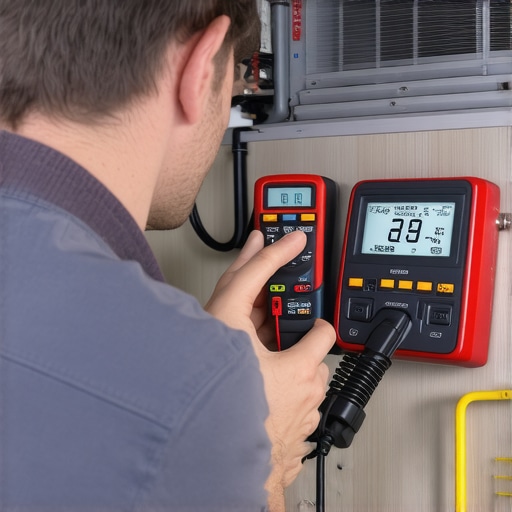
How do I maintain my HVAC systems over time?
Establishing a routine schedule for system checks, ideally quarterly, can catch issues early. Use a soft brush or compressed air to remove dust from vents and registers. For mini-split systems, cleaning the filter and checking for ice buildup can prevent performance dips—this is especially important as climate conditions fluctuate. Additionally, investing in smart thermostats with proactive diagnostics can alert you to potential problems before they escalate, aligning with emerging trends toward AI-driven maintenance solutions. In the future, predictive maintenance might rely heavily on IoT sensors that monitor system health in real-time, reducing the need for manual inspections.
When working on electrical components, always ensure the system is powered off and follow safety protocols—my personal favorite is using a non-contact voltage tester for quick checks. For refrigerant levels, consulting a certified technician is recommended, but familiarizing yourself with manufacturer guidelines ensures you understand what optimal system operation looks like. Lastly, keeping an eye on the system’s run times and energy bills can highlight inefficiencies early. For practical, professional help on these fronts, I recommend regular service with trusted experts, such as those highlighted in reliable furnace repair services.
Tools I recommend for long-term HVAC care
Beyond basic tools, I’ve found that a digital infrared thermometer is invaluable for monitoring temperatures across various system components, helping verify that your furnace or mini-split operates within ideal ranges. Using a thermal camera periodically allows for quick visual assessments of heat distribution, which can reveal duct leaks or insulation issues unnoticed by standard inspections. Additionally, a robust pipe wrench and line set disconnect tool streamline any refrigerant adjustments or repairs, ensuring safety and precision. Investing in these tools and acquiring a basic understanding of their use empowers homeowners to maintain their systems effectively and can save significant money over time.
Predictably, the trend is moving toward integrated monitoring solutions—systems that can notify you of issues via smartphone apps or predict failures based on usage patterns. Companies are increasingly adopting AI-driven diagnostics that can suggest specific maintenance actions, reducing reliance on reactive repairs. Embracing these innovations now can mean fewer emergencies and more efficient system operation in the future.
Start practicing regular system inspections with these tools today, and you’ll notice improved performance and fewer service calls. To delve deeper into professional maintenance strategies, check out expert furnace repair and heating services.
Over the years, I’ve learned that the most effective way to ensure home comfort isn’t just through quick fixes or routine maintenance, but by understanding the deeper nuances of HVAC systems. One lightbulb moment was realizing that some of the most stubborn issues stem from overlooked details—like improper refrigerant charges or duct sealing mistakes—that only true experts can catch. This deeper insight has saved me countless headaches and dollars, reaffirming that trusting seasoned professionals is an investment in peace of mind. Additionally, I’ve discovered that embracing emerging technologies such as smart thermostats and IoT sensors can empower homeowners to stay ahead of potential problems, making maintenance proactive rather than reactive. Lastly, being patient and taking the time to learn about my system’s unique quirks has transformed my approach from reactive troubleshooting to confident, strategic care. Embracing these lessons has truly changed how I think about maintaining reliable home heating and cooling.
Thanks for sharing this detailed and practical guide. I completely agree that regular maintenance is key to avoiding those dreaded winter surprises. I’ve experienced firsthand how neglecting small issues, like a clogged filter or a flickering pilot light, can quickly escalate into costly repairs or system failures. What I found especially helpful was the emphasis on inspecting ductwork—leaky ducts really do silently drain your heat and spike energy bills. Since upgrading my system, I make it a point to check and seal my ducts annually. I’m curious, has anyone tried integrating smart thermostats combined with IoT sensors for proactive maintenance? I’ve been considering this route, but I’d love to hear from others about the actual benefits and potential pitfalls before making the switch. Overall, investing in professional tune-ups and upgrading when needed has really made my home more comfortable and efficient. Would love to hear some success stories or advice from fellow readers about long-term savings through modern tech.