The Sound of a Wet Disaster: When the Float Switch Kills the Party
You’re sitting on your couch, the humidity outside is thick enough to chew, and suddenly, the house goes silent. Not a peaceful silence, but the eerie, sudden death of your air conditioner. You check the thermostat—it’s blank. You head to the mechanical closet, and there it is: a puddle of water creeping toward your floorboards. This isn’t a mystery; it’s a failure of physics and a lack of respect for the lowliest part of your system. I followed a ‘Sales Tech’ last August who quoted a retired schoolteacher $15,000 for a full AC installation because her unit ‘had a cracked internal drain pan and was leaking refrigerant.’ He told her the whole system was shot. I walked in, saw the water, and pulled the cover off a $60 condensate pump. The pump was vibrating, trying to work, but it was choked to death. I spent five minutes cleaning a tiny plastic orifice, and the system roared back to life. Total cost? A service call and a lesson in ethics. That lady didn’t need a new system; she needed someone who understood that water follows the path of least resistance.
The Thermodynamic Reality of Your Living Room
In a humid climate, your air conditioner is a massive dehumidifier. We talk about cooling, but what we’re really doing is managing latent heat. When the warm, moist air from your home hits the evaporator coil—which should be sitting right around 40°F—the air temperature drops below its dew point. That moisture has to go somewhere. It turns into liquid water, drips into a primary pan, and gravity (hopefully) carries it to a condensate pump.
“The removal of latent heat through condensation is the most energy-intensive part of the refrigeration cycle in humid environments.” – ASHRAE Fundamentals Handbook
If that water doesn’t move, your system is designed to kill itself. A float switch is the only thing standing between you and a $5,000 flooring claim. Most people think furnace repair is just about the heat exchanger or the blower motor, but in a central system, the furnace is just a box that houses the indoor coil. If the drainage fails, the furnace gets soaked, the control board shorts out, and you’re looking at a massive bill for something that started as a speck of dust.
The Anatomy of the Failure: The Tiny Debris Trap
Most condensate pumps have a reservoir, a motor, an impeller, and a check valve. But the real ‘killer’ is the intake screen or the tiny orifice where the impeller draws water. Over the season, dust that bypasses your cheap 1-inch pleated filter mixes with the water on the coil. This creates a biological soup. It’s a mix of skin cells, pet dander, and fungal spores. This ‘bio-slime’ or ‘white snot’ (as we call it in the field) settles in the bottom of the pump reservoir. The pump’s impeller is designed to move clear water, not a milkshake. When that tiny intake screen gets covered in this slime, the impeller spins but moves nothing. The water level rises, the safety float lifts, and it breaks the ‘R’ wire to your thermostat. The system dies. This happens in every AC installation where the contractor didn’t bother to level the pump or explain maintenance to the homeowner. Even a high-efficiency mini-split has a tiny internal reservoir that can clog just as easily, though they often use a peristaltic pump that sounds like a tiny heartbeat when it’s struggling.
Static Pressure and the Pookie Solution
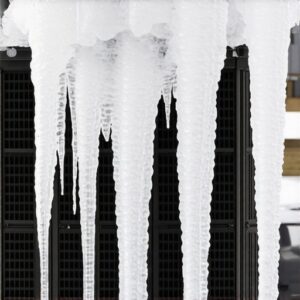
Airflow is king. If your ductwork is restricted, your coil gets too cold. If it gets too cold, the water doesn’t just drip; it freezes, then thaws in a massive wave that overwhelms the pump. I’ve seen heating service calls in the late fall turn into drainage nightmares because the ‘Tin Knocker’ who installed the ducts didn’t seal the plenum with proper ‘Pookie’ (mastic). Unsealed ducts in a crawlspace suck in raw dirt, which ends up in your condensate.
“The most expensive equipment in the world cannot overcome a bad duct system.” – Industry Axiom
When I’m out on a call, I’m checking the suction line. It should be ‘beer can cold’ and sweating, but if that sweat isn’t being managed by a clean pump, you’re just living in a swamp. The check valve on the pump is another failure point. It’s a tiny rubber flap that prevents water from flowing back down the vinyl tubing into the pump. If a single grain of debris gets stuck in that flap, the water cycles back and forth until the motor burns out. I don’t care how many mini-split units you have; if the lift is too high for the pump’s head pressure rating, you’re asking for a flood.
The Forensic Maintenance Routine
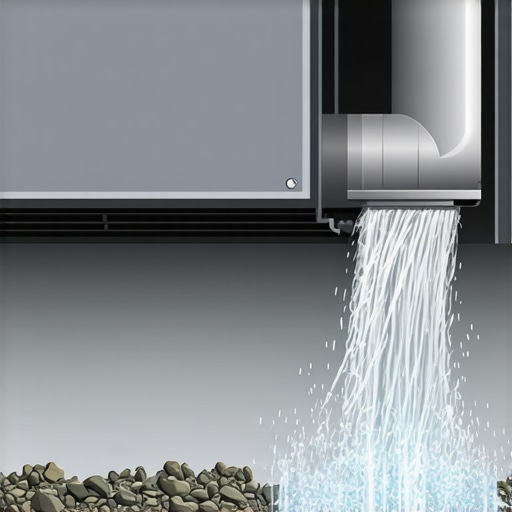
Stop pouring bleach down your drains. Bleach is corrosive and can eat through the heat exchanger if you have a high-efficiency furnace where the AC and furnace share a drain. Use specialized pan tabs or a cup of white vinegar twice a year. If you’re doing a furnace repair in the winter, that’s the time to pull the pump apart and scrub the reservoir. Don’t be the person who waits for the July 4th heatwave to find out their $60 pump is dead. If your pump is older than five years, replace it. It’s cheaper than a single hour of my labor to come out and tell you it’s broken. Check the discharge line. I’ve seen mud daubers build nests in the end of the 3/8-inch vinyl tubing outside, backing up the whole system. Physics doesn’t care about your comfort; it only cares about pressure and temperature. Respect the pump, and the pump will respect your hardwood floors.